





Definition & Meaning
The term "form online" refers to the digital version of a document that can be completed and submitted over the internet. This format allows users to fill out, sign, and process forms without needing to print, handwrite, or physically mail them. Forms can range from simple surveys to complex legal documents, such as tax filings or application forms, all of which can be efficiently managed through online platforms like DocHub. Utilizing "form online" options can enhance convenience, speed up processing times, and ensure data accuracy through digital inputs.
How to Use the Form Online
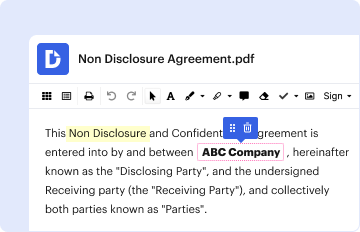
To use a form online, you typically begin by accessing the form through a web platform like DocHub. The platform offers a user-friendly interface where you can import forms from your computer or cloud storage services like Google Drive or Dropbox. Once the form is imported, you can utilize various editing tools to fill out required fields, annotate, and add digital signatures. The intuitive design of these platforms allows users to save progress and return later if necessary, ensuring flexibility and ease of use throughout the process.
Steps to Complete the Form Online
- Access the Form: Open the form in an online platform such as DocHub by importing it from your local device or cloud storage.
- Review Instructions: Carefully read through any instructions provided on the form to understand requirements and necessary information.
- Input Information: Use the platform’s tools to enter data into fillable fields. These may include text boxes, dropdown menus, or checkboxes.
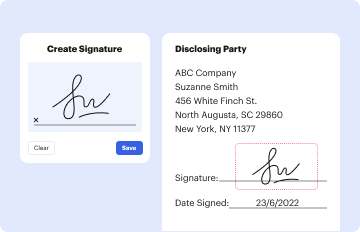
- Sign the Form: Add your electronic signature by drawing it with a mouse, typing and selecting a style, or uploading an image of your handwritten signature.
- Review and Edit: Double-check all entered information for accuracy and completeness, using annotation tools to highlight or comment on sections if needed.
- Submit the Form: Once completed, submit the form directly through the platform, email it to relevant parties, or save it for record-keeping.
Why Should You Form Online
Filling out forms online presents numerous advantages over traditional paper forms. Firstly, it reduces the risk of errors that often occur with manual data entry by offering guided fields and validation checks. Secondly, it speeds up the form completion and submission process, eliminating the need for physical mailing. Thirdly, online platforms enable easy sharing and collaboration, letting multiple contributors work on a single document. Additionally, using forms online contributes to environmental sustainability by reducing paper usage and waste.
Key Elements of the Form Online
Key elements of an online form may include:
- Fillable Fields: Areas for inputting text, selecting options, or checking boxes.
- Digital Signatures: Options to add legally binding electronic signatures.
- Instructions: Guidelines or notes within the form, guiding users on how to complete it.
- Validation: Automated checks to ensure data is entered correctly, such as format requirements for dates or numbers.
- Collaborative Features: Functions allowing multiple users to view, edit, or comment on the form in real-time.
- Security Measures: SSL encryption and other protocols to protect user data.
Examples of Using the Form Online
Online forms find applications in various scenarios:
- Tax Filings: Forms such as the W-9 or 1040, often filled out by taxpayers.
- Job Applications: Submission of resumes and cover letters through company websites.
- Legal Agreements: Electronic signatures on contracts or non-disclosure agreements.
- Surveys and Feedback: Collection of responses for market research or customer satisfaction.
- Educational Forms: Registration and permission slips for school activities.
Form Submission Methods
Online forms can generally be submitted through several methods:
- Direct Submission: Complete and submit the form directly on the platform.
- Email: Save and send the form as an attachment to designated recipients.
- Cloud Services: Upload completed forms to cloud storage for shared access or further processing.
- Export and Mail: In cases where digital submission isn’t possible, forms can be printed after online completion and mailed physically.
Software Compatibility
Forms created or completed online are usually compatible with various software applications. Platforms like DocHub ensure compatibility with file formats such as PDF, DOC, or XLS, which can be utilized in systems like TurboTax for tax-related forms or QuickBooks for business accounting needs. This cross-software compatibility streamlines the integration of online forms into broader digital workflows, allowing easy data transfer and systemic efficiency.