





Definition and Meaning of Form Online
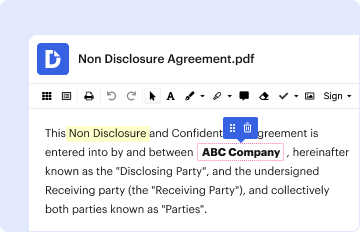
Forms online allow users to input, manage, and submit data digitally, eliminating the need for paper forms. These forms can range from simple contact forms to complex tax documents or applications, depending on the requirements. They streamline data collection, improve efficiency, and facilitate the secure transfer and storage of information. The primary characteristics of online forms include accessibility from any internet-enabled device, the ability to store data electronically, and real-time updates.
Benefits of Using Online Forms
- Convenience and Accessibility: Users can fill out forms at their own pace, from any location with internet access.
- Efficiency and Time-Savings: Automates data processing and validation, speeding up submission and review times.
- Environmentally Friendly: Reduces paper consumption, supporting eco-friendly practices.
How to Use the Form Online
Using a form online usually involves several key steps, primarily focusing on easy access and submission:
- Accessing the Form: Navigate to the appropriate website or application such as DocHub, where the form is hosted.
- Filling Out Required Fields: Users enter their data into designated fields, which could include text boxes, checkboxes, and dropdown menus.
- Review and Edit: Before submitting, review the content for accuracy and completeness to prevent submission errors.
- Submit the Form: Finalize the process by clicking the submit button, which sends the form data to the intended recipient.
Common Uses for Online Forms
- Application Forms: Used for jobs, educational programs, or promotional activities.
- Registration Forms: For events, memberships, or services.
- Feedback or Survey Forms: To collect opinions or data from users.
Steps to Complete the Form Online
Completing an online form typically involves several clear steps to ensure accuracy and proper submission:
- Gather Required Information: Before starting, have all necessary documents and information at hand, such as identification details or financial records.
- Enter Data: Carefully input all requested data into the appropriate fields.
- Utilize Help Features: If available, click on help icons or instructions for additional guidance on filling out each section.
- Validate the Information: Many platforms offer validation features that check the inputted data for potential errors.
- Submit and Save a Copy: After submitting, save a copy of the completed form for personal records and future reference.
Tips for Successful Form Completion
- Ensure All Fields Are Filled: Avoid leaving mandatory fields empty to prevent submission failures.
- Double-Check for Accuracy: Verify that all information entered is correct to avoid delays or rejections.
Legal Use of the Form Online
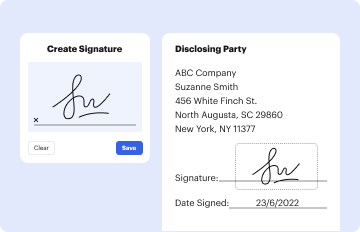
Online forms must comply with legal regulations to ensure validity and privacy. This includes adhering to digital signature laws, such as the ESIGN Act in the U.S., which grants electronic signatures the same legal standing as handwritten ones.
Privacy and Security Considerations
- Encryption Standards: Platforms often use encryption to protect data during transmission.
- Secure Login Protocols: Implement authentication measures like OAuth 2.0 for secure access.
- Data Protection Laws: Comply with legislation such as GDPR to protect personal information.
Key Elements of the Form Online
Forms hosted online consist of various elements designed to capture specific information efficiently:
- Instructional Text: Guides users on how to accurately fill out the form.
- Input Fields: Includes text boxes, checkboxes, and dropdowns to collect user data.
- Validation Alerts: Notifications that prompt users to correct their input if it doesn't meet specified criteria.
Advanced Features
- Auto-Save Functionality: Prevents data loss by automatically saving progress as users fill out the form.
- Conditional Logic: Some forms display questions based on previous answers to streamline the data collection process.
Examples of Using the Form Online
Online forms are versatile tools used across a variety of sectors:
- Business Use: Companies use online forms for employee onboarding, customer feedback, and order processing.
- Educational Institutions: Schools and universities implement forms for student admissions, class registration, and surveys.
- Healthcare: Medical practitioners utilize online forms for patient registration, appointment scheduling, and health assessments.
Practical Scenarios
- Remote Working: Employees submit daily logs or timesheets through online forms, simplifying payroll and productivity tracking.
- Customer Service: Online forms allow customers to submit queries or complaints efficiently, ensuring a timely response.
Software Compatibility and Integration
To maximize utility, online forms are compatible with various software platforms for seamless integration:
- Cloud Storage Services: Forms like those on DocHub integrate with Google Drive or Dropbox for easy storage and retrieval.
- Application Software: Programs such as TurboTax or QuickBooks support data import from online forms for streamlined financial management.
Importance of Software Integration
- Increased Efficiency: Automatically imports data into relevant applications, reducing manual entry.
- Enhanced Collaboration: Stakeholders can access and edit forms collaboratively within integrated systems.
State-Specific Rules and Considerations
Though forms online are generally universal, some state-specific regulations may apply depending on the document's purpose:
- State Tax Forms: Each state may have unique forms or requirements for tax submissions.
- License Applications: Requirements might vary significantly between different state jurisdictions.
Examples of State-Specific Variations
- Business Licenses: Some states require additional documentation or fees not required by others.
- Real Estate Transactions: State laws dictate unique procedures or fields in real estate forms.