





Definition and Meaning of Form Online
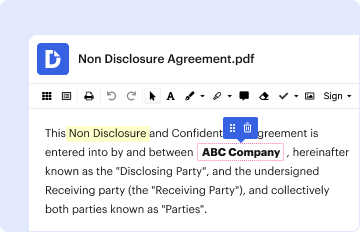
The term "form online" refers to any digital form accessible and fillable via internet browsers or dedicated online platforms. These forms serve various purposes, such as collecting data, processing applications, or facilitating transactions. By offering a digital alternative, online forms improve accessibility, allowing users to fill out and submit their details from any location with an internet connection. This eliminates the necessity for physical forms, streamlining the process and reducing paper waste.
Online forms can range from simple contact forms on websites to complex multi-page applications for businesses or governmental purposes. The technology behind online forms often includes interactive elements such as dropdown menus, radio buttons, and text fields, making it easy for users to input data accurately. Some forms also integrate with databases to validate user input in real time, minimizing errors and ensuring that submissions are complete before they are accepted.
How to Use the Form Online
Using a form online typically requires accessing a specific website or platform where the form is hosted. Users should start by visiting the form link, which might be provided by an organization, business, or government agency. Depending on the complexity of the form, users should allocate sufficient time to complete it accurately.
Here are the steps to use a form online:
- Access the Form: Navigate to the form's URL using a web browser on a computer or mobile device.
- Read Instructions: Begin by reading the instructions provided at the top of the form to understand the requirements.
- Fill Out Fields: Methodically input information as required by each field. These may include text inputs, checkboxes, and dropdown menus.
- Review and Verify: Double-check all provided information to ensure accuracy and completeness before submission.
- Submit the Form: Click the 'Submit' button once all information is verified. Confirmation of submission is generally provided, either through an on-screen message or via email.
Steps to Complete the Form Online
Completing a form online involves several distinct steps, each essential for ensuring the successful submission of the required information. While these steps may vary slightly depending on the form in question, they generally adhere to the following pattern:
- Gather Required Documents: Before starting, ensure that you have all necessary documents and information readily accessible.
- Begin the Form: Start by inputting personal details, which often include name, address, and contact information.
- Provide Specifics: Fill out sections requiring detailed input relevant to the form's purpose, such as employment history for job applications or income details for financial forms.
- Upload Attachments: If the form allows or requires, upload relevant supporting documents.
- Final Checks: Carefully review all entries for accuracy and completeness. Make sure that no required fields are left blank.
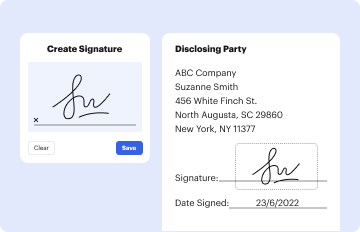
- Digital Signature: Sign the form digitally if required, using an electronic signature tool.
- Submit and Confirm: After all steps are completed, submit the form and look for confirmation that the process is successful.
Legal Use of the Form Online
Forms submitted online must adhere to legal guidelines to ensure compliance and legitimacy. This requires trusting that the service provider follows stringent guidelines for data security and user privacy, as established by laws such as the U.S. Privacy Act or ESIGN Act for electronic signatures.
Key legal aspects include:
- Data Protection: Forms must secure user data during collection and storage, often using encryption methods.
- Authentic Signatures: Electronic signatures used on forms must be legally binding and comply with relevant electronic signature laws.
- Informed Consent: Users should be informed about how their data will be used, with privacy policies easily accessible.
Required Documents for Form Online
Various online forms require supporting documents to verify the information provided. The type and number of documents needed depend on the form's purpose but often include:
- Identification Proof: Such as a government-issued ID or passport.
- Financial Statements: Bank statements or pay stubs for financial forms.
- Verification Documents: Such as transcripts for educational applications or legal documents for business filings.
Users should prepare digital copies of these documents in accepted formats like PDF or JPEG to facilitate easy uploading.
Examples of Using the Form Online
Various scenarios illustrate the use cases for online forms across different sectors:
- Job Applications: Candidates apply for positions by filling out employment forms on company websites.
- Government Services: Citizens file taxes or apply for permits through government portals.
- Educational Institutions: Students submit applications or register for courses via online forms on educational platforms.
Each scenario highlights the benefits of online forms, such as accessibility, efficiency, and reduced processing times.
Form Submission Methods (Online/Mail/In-Person)
While digital submission of forms is increasingly popular due to its convenience, alternative methods often remain available for users who prefer or require them:
- Online Submission: Fastest method with immediate confirmation. Often includes additional features like auto-fill and validation checks.
- Mail Submission: Requires printing the form and posting it to the designated address, allowing for physical paper trails.
- In-Person Submission: Hand-delivering a printed form to an office provides direct interaction and immediate assistance if needed.
These submission options allow users to choose the most suitable method based on their preferences and access to resources.
Digital vs. Paper Version of the Form
The choice between digital and paper versions of a form depends on individual needs and circumstances:
- Digital Forms: Benefits include ease of access, quick processing, and reduced environmental impact, suitable for users with reliable internet access.
- Paper Forms: Useful for individuals without internet access or preference for physical copies, also serving as a backup to electronic systems.
Both versions have their respective advantages, allowing flexibility and choice for users based on their specific requirements.