Definition & Meaning
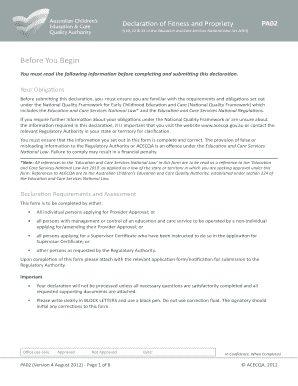
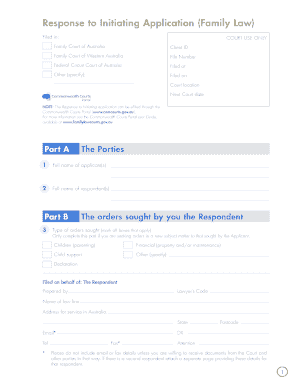
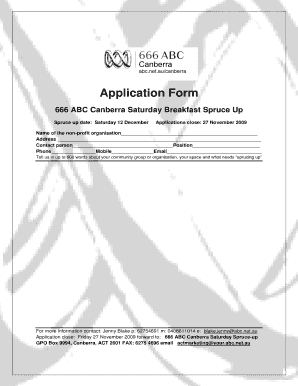
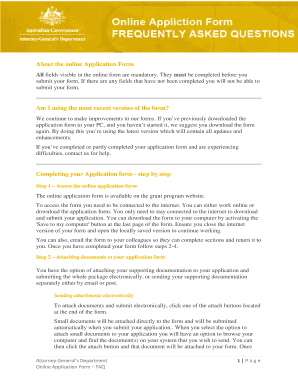
The "TO MAIL OR FAX FORM" refers to a document submission option where individuals or organizations can send completed forms to the intended recipient via traditional mail or facsimile (fax). This method is particularly useful for official documents that require a hard copy or when electronic submission is not feasible. It is also a preferred choice in situations where an acknowledgment of receipt is necessary, allowing the sender to have a documented trail of the submission.
How to Obtain the TO MAIL OR FAX FORM
To access the "TO MAIL OR FAX FORM," one can visit the official website of the agency or organization that requires the form. Typically, forms are available for download in formats such as PDF or DOC, suitable for printing and filling out by hand. If the form is not available online, one can request it by contacting the organization via phone or email. Additionally, some institutions may offer an option to collect physical copies at their office or designated locations.
Steps to Complete the TO MAIL OR FAX FORM
- Retrieve the Form: Download or obtain a physical copy of the form from the relevant source.
- Read Instructions Carefully: Every form comes with specific instructions. Ensure you understand each section before filling it out.
- Fill in Required Fields: Use black or blue ink for physical forms. Enter accurate information in all mandatory fields, paying close attention to details.
- Attach Required Documents: Include any additional paperwork requested in the instructions, such as identification or previous correspondence.
- Review and Sign: Double-check all information for accuracy and completeness. Sign the form where required.
- Prepare for Mailing or Faxing: Make copies for your records before sending the original document. Use a fax cover sheet if sending via fax.
- Send to the Correct Address or Number: Ensure you have the correct mailing address or fax number.
Why Should You TO MAIL OR FAX FORM
Mailing or faxing forms can be beneficial in scenarios where electronic submission is not accepted or reliable. It provides a tangible method of document delivery that can be crucial for legal or official processes. Mailing or faxing ensures a physical paper trail of the transaction, which can be critical in disputes or audits. Additionally, it may be the only option in areas with limited internet access or where technology infrastructure is lacking.
Important Terms Related to TO MAIL OR FAX FORM
- Certification of Receipt: A confirmation that the mailed or faxed document was received by the intended party.
- Transmission Receipt: In faxing, a printout confirming the successful delivery of a fax.
- Acknowledgment of Receipt: An acknowledgment from the recipient confirming the form has been received and is under review.
- Postage: The cost associated with mailing a document, important to consider for timely delivery.
- Fax Cover Sheet: An introductory page sent with a fax that includes details like the sender's contact information and document description.
Key Elements of the TO MAIL OR FAX FORM
- Contact Information: The sender's full name, address, phone number, and sometimes an email address.
- Recipient Information: Precise details of the person or department the form is intended for.
- Purpose of Form: A brief statement or checkbox to clarify the form's intent or type.
- Document Attachments: A section listing any accompanying documents needed for the submission.
- Signature Line: An area for the sender to sign, certifying the accuracy of the information provided.
Form Submission Methods (Online / Mail / In-Person)
Forms can be submitted through various channels:
- Online: Electronic submission via a dedicated portal or email.
- Mail: Physical copies sent via postal service, requiring proper addressing and postage.
- In-Person: Hand delivery to the designated office or agency, which may provide a receipt.
Legal Use of the TO MAIL OR FAX FORM
Legislation concerning forms that are mailed or faxed may require certain compliance measures, like adhering to data protection laws. Forms must be filled out truthfully as they constitute legal documents. Providing false information can lead to penalties or legal action. It's crucial to understand the legal implications and rights tied to the mailing or faxing of documents, such as those relating to confidentiality and consent.
Penalties for Non-Compliance
Non-compliance with form submission requirements can result in penalties, including late fees, denial of service, or legal action. The severity of penalties may vary based on the nature of the form and the missing compliance aspect. Ensuring timely and accurate submissions can prevent potential consequences. For official or government forms, strict adherence to submission protocols is essential to avoid complications.