





Definition and Meaning of "Form Online"
"Form online" refers to any document that can be completed and submitted through a digital platform without the need for physical paperwork. These forms can range from tax documents and legal filings to applications and surveys. The primary advantage of online forms is the convenience and efficiency they offer in terms of accessibility and processing time. Users can fill these forms from any device with internet access, making them a popular choice for individuals and businesses aiming to streamline their workflows.
Examples of Using Forms Online
Online forms are used in various scenarios across industries and sectors:
- Government and Taxation: Citizens can file tax returns (e.g., the IRS Form 1040) and apply for services such as driver's licenses or passports online.
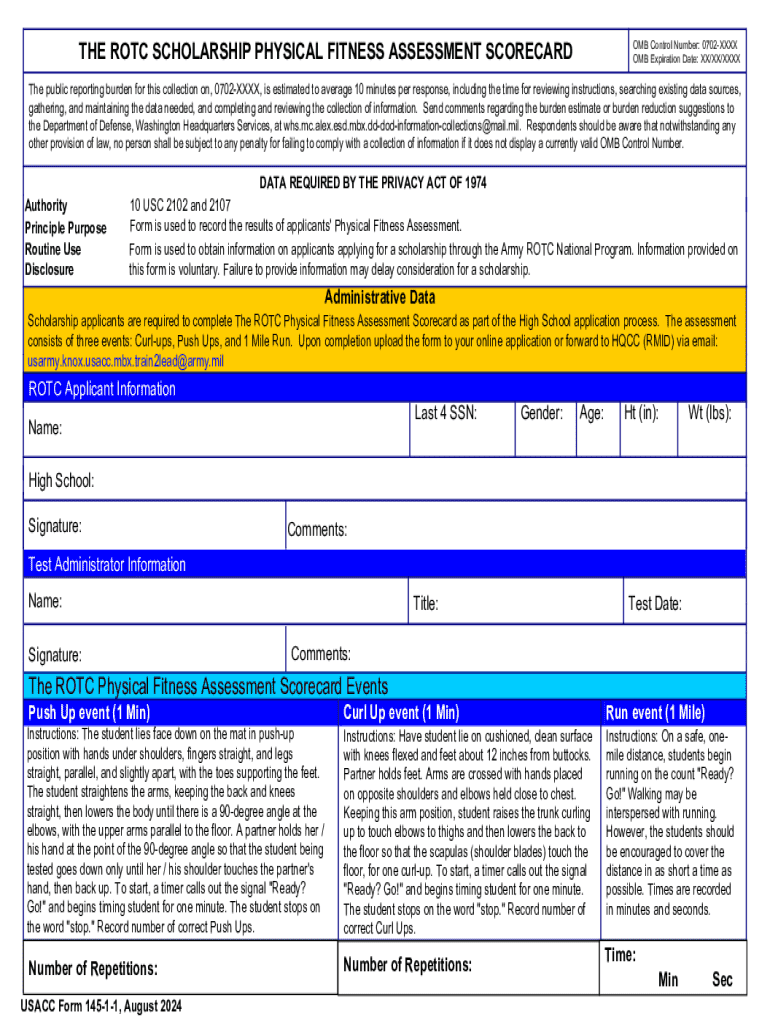
- Education: Students use online forms to apply for scholarships, enroll in courses, or submit assignments.
- Healthcare: Patients complete medical history forms or schedule appointments using digital forms.
- Business Operations: Companies utilize online forms for employee onboarding, feedback collection, and project management.
These examples highlight the versatility and widespread application of online forms.
How to Use the Form Online
Utilizing an online form typically involves several straightforward steps. Users can complete these on both desktop and mobile devices:
- Access the Form: Navigate to the website hosting the form. This could be a government portal, a business's website, or a third-party platform like DocHub.
- Fill Out Required Information: Enter the necessary details in the designated fields. These fields can include text entries, checkboxes, and dropdown menus.
- Review and Edit: Before submission, review all entries to ensure accuracy. Many online platforms allow real-time updates and changes.
- Submit and Save the Form: Once satisfied with the entry, submit the form. It is advisable to save a copy for personal records, often made possible through download or email confirmation.
Practical Example
Imagine a freelancer registering for self-employment tax purposes. They would access the IRS website, navigate to the relevant form, and complete it online by entering details about their income and expenses. After double-checking their information, they would submit the form directly through the website.
Steps to Complete the Form Online
Completing an online form requires careful attention to detail. Here's a step-by-step approach to ensure a smooth experience:
- Preparation: Gather all required documents and information before starting the form. This might include identification numbers, addresses, or financial data.
- Field Completion: Follow the instructions for each field carefully. Utilize help prompts provided on the form if available.
- Error Checking: Use automated tools to detect errors such as incomplete fields or incorrect formats. This ensures the form is filled out correctly.
- Documentation Upload: Some forms might require supporting documents. Ensure these files are in the acceptable format (PDF, JPG, etc.) and upload them via the provided portal.
- Final Review: Re-examine the entire form, ensuring all fields are complete and accurate. Pay special attention to compulsory fields marked with an asterisk.
- Submission Confirmation: Submit the form and wait for an acknowledgment receipt. Retain a copy of this confirmation for future reference.
Legal Use of the Form Online
Online forms carry the same legal weight as their paper counterparts if submitted on authorized platforms. Users must ensure they are dealing with genuine websites to prevent fraud:
- Authentication: Platforms usually require logins or account creation to verify user identity.
- Data Protection: Adhere to data privacy laws such as GDPR or CCPA, by ensuring forms are secured and data is only used for its intended purpose.
- Electronic Signatures: Legally binding in many jurisdictions, electronic signatures are often integrated into online forms, replacing the need for physical signing.
Proper compliance with these aspects ensures the legal validity of online submissions.
Key Elements of the Form Online
Effective online forms have several important components:
- User-Friendly Interface: Ensures easy navigation and interaction, promoting user satisfaction.
- Responsive Design: Allows forms to be accessible across diverse devices and screen sizes without compromising functionality.
- Security Features: Incorporate encryption and secure socket layers (SSL) to protect sensitive information during submission.
- Help Features: Offer guidelines, FAQs, or live chat support to assist users in filling the form correctly.
Focusing on these elements can greatly enhance the user experience and efficiency of form submission.
Software Compatibility and Integration
Compatibility with popular software enhances the utility of online forms, enabling smoother workflows:
- Document Management Systems: Integration with platforms like DocHub, TurboTax, or QuickBooks allows seamless export and import of completed forms.
- Cloud Storage Options: Users can store and access forms directly from cloud services such as Google Drive or Dropbox.
- API Connectivity: For businesses, integrating online forms with CRM or ERP systems via APIs can vastly improve data management.
These software compatibilities ensure that users can maximize the potential of online forms in various professional contexts.
State-Specific Rules for Forms Online
Online forms often have rules that vary by state due to different regulations and requirements:
- Taxation and Business Registration: Each U.S. state may have distinct stipulations for tax filing forms and business registration.
- License Applications: Requirements and procedures for licenses, such as driver's or professional licenses, differ from state to state.
Understanding state-specific nuances is crucial for accurate and legally compliant form submission. Users should consult official state resources or legal advisors to fully comprehend these differences.
Required Documents for Completing the Form Online
Completing an online form may necessitate various supporting documents:
- Identification: A valid ID or social security number might be required for verification purposes.
- Proof of Residence: Utility bills or lease agreements can serve as evidence of residence.
- Financial Statements: Tax returns or bank statements are often needed for financial forms.
Before starting a form, it's important to gather and verify these documents to ensure accurate and complete submissions.