01. Edit your form online
Type text, add images, blackout confidential details, add comments, highlights and more.

Type text, add images, blackout confidential details, add comments, highlights and more.

Draw your signature, type it, upload its image, or use your mobile device as a signature pad.

Send it via email, link, or fax. You can also download it, export it or print it out.
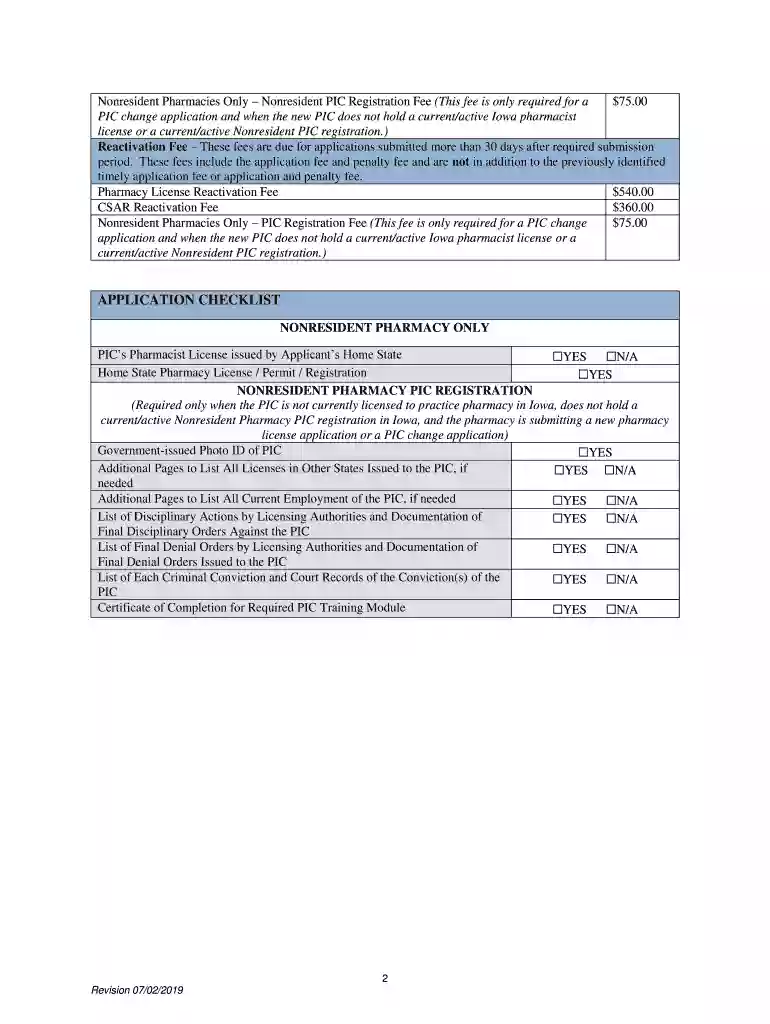
The "Changes in Pharmacy Law - California State Board of Pharmacy" document outlines updates to regulations impacting pharmacies within California. These modifications affect compliance requirements, operational procedures, and professional responsibilities. The update ensures that pharmacy practices align with evolving public health standards and technology. Understanding these changes is crucial for pharmacy operators, pharmacists, and stakeholders to maintain legal compliance and refine service delivery.
Changes typically encompass adjustments in licensing procedures, record-keeping mandates, and the scope of pharmacist responsibilities. Elements often include:
Each update is formulated to enhance patient safety, streamline pharmacy operations, and address emerging issues such as telehealth services and remote dispensing practices.
To effectively incorporate the changes into daily operations:
Pharmacies are required to maintain specific documents to ensure compliance with updated laws. These often include:
Failure to maintain accurate and up-to-date documentation may result in legal penalties or operational disruptions.
California's pharmacy regulations might differ from those in other states. Key distinctions often include:
Understanding these state-specific rules is essential for pharmacists operating near state borders or those involved in multi-state pharmacy operations.
Non-compliance with the "Changes in Pharmacy Law" can result in serious legal consequences. Potential penalties include:
Thus, strict adherence to updated laws is vital to avoid legal repercussions and protect the pharmacy's reputation.
Case studies often demonstrate how pharmacies successfully adapted to legal changes:
Such examples illustrate practical applications of legal updates and highlight potential benefits of adherence.
The information contained in the "Changes in Pharmacy Law" is of primary importance to:
These stakeholders utilize the document to maintain compliance and ensure optimal patient care.


For official submissions related to changes in pharmacy law, the California State Board of Pharmacy typically offers:
Turnaround times for approval can vary, with online applications generally processed more swiftly due to digital integration.
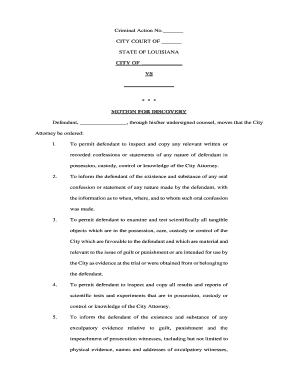
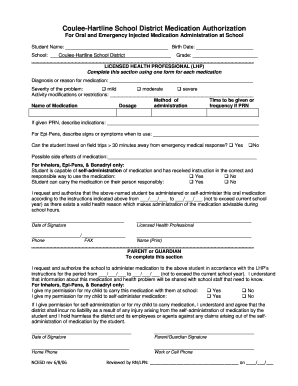
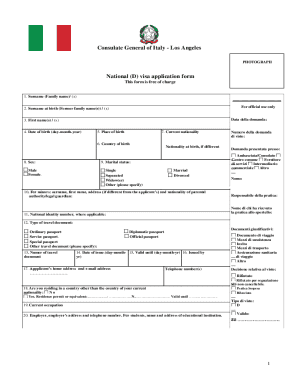
We've got more versions of the Changes in Pharmacy Law - California State Board of Pharmacy form. Select the right Changes in Pharmacy Law - California State Board of Pharmacy version from the list and start editing it straight away!
| Versions | Form popularity | Fillable & printable |
|---|---|---|
| 2019 | 4.8 Satisfied (151 Votes) |
At DocHub, your data security is our priority. We follow HIPAA, SOC2, GDPR, and other standards, so you can work on your documents with confidence.