Definition & Meaning
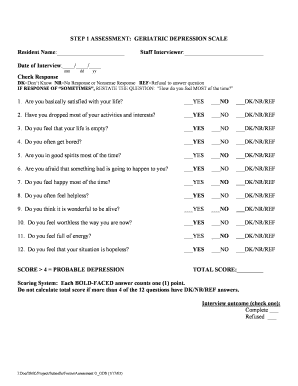
The North Carolina Disaster Surveillance Forms are specialized documents used for collecting systematic data during disaster situations in medical facilities and shelters. They are essential tools for active surveillance, intended to be completed daily for all patients seeking care. These forms help in identifying and categorizing reasons for patient visits based on various health issues, aiding in a comprehensive understanding of the health trends that occur during disasters.
- Active Surveillance Tool: Designed to monitor patient conditions and health trends.
- Data Collection: Ensures systematic recording of patient demographics and health concerns.
- Daily Reporting: Requires completion each day to capture dynamic changes in patient care needs.
How to Use the North Carolina Disaster Surveillance Forms
To effectively use the North Carolina Disaster Surveillance Forms, facilities must integrate them into their daily operational procedures. Here’s a step-by-step guide:
- Identify Patients: Register each patient seeking medical care.
- Document Demographics: Record basic demographic data such as age, gender, and any pre-existing conditions.
- Categorize Visits: Use predefined categories to identify the primary and secondary reasons for each patient visit.
- Update Daily: Complete the forms at the end of each day to reflect current patient data and health issue trends.
- Review and Adjust: Based on the data collected, reassess the needs of the facility and adjust resource allocations as necessary.
How to Obtain the North Carolina Disaster Surveillance Forms
Acquiring these forms is an essential part of preparedness for any organization involved in disaster response:
- Request from State Agencies: Often available through North Carolina’s health department or emergency management agency.
- Online Resources: Access digital versions from official state websites specialized in disaster management.
- Direct Contact: Facilities may contact relevant health departments to receive the most recent versions and guidelines.
Steps to Complete the North Carolina Disaster Surveillance Forms
The completion process ensures accuracy and efficacy:
- Gather Necessary Information: Ensure all patient and health data is ready before starting.
- Fill in Demographics: Use precise and up-to-date information for each section.
- Select Health Categories: Check appropriate boxes that correspond to patients’ health concerns.
- Review Entries: Double-check all inputs for accuracy before submission.
- Submit Timely: Ensure forms are submitted according to required timelines, whether daily or upon specific event triggers.
Key Elements of the North Carolina Disaster Surveillance Forms
Several components are crucial for the success of these forms in disaster response:
- Demographic Information: Includes age, gender, and other identifying information.
- Health Categories: Specific sectors that categorize the reason for seeking medical help.
- Responder Count: Total number of health responders involved in handling the situation.
- Tally Sections: Summarizes the data collected for easy analysis and reporting.
Who Typically Uses the North Carolina Disaster Surveillance Forms
These forms are predominantly used by personnel involved in disaster management and healthcare:
- Medical Staff: Doctors, nurses, and medical volunteers assessing patients.
- Public Health Officials: Analysts and decision-makers developing health responses.
- Shelter Managers: Administrators managing the influx of individuals in need of care.


Why Use the North Carolina Disaster Surveillance Forms
Understanding the importance of these forms enhances their effectiveness:
- Data-Driven Decision Making: Provides a factual basis for resource allocation.
- Trend Analysis: Helps identify emerging health issues during disaster scenarios.
- Preparedness and Response: Enhances the ability to prepare for and respond to health emergencies.
Legal Use of the North Carolina Disaster Surveillance Forms
These forms are legally binding and essential for compliance:
- Data Protection: Adheres to legal standards for confidentiality and patient data handling.
- Mandatory Reporting: Required by state law for accurate disaster response.
- Policy Compliance: Aligns with state and federal guidelines for disaster management and health security.
Important Terms Related to North Carolina Disaster Surveillance Forms
A solid understanding of relevant terminology aids in effective use and completion of these forms:
- Surveillance: Ongoing collection and analysis of health data.
- Demographics: Statistical data related to the patient population.
- Health Categories: Predefined areas of health concerns or issues.
- Responder: Individuals providing emergency and health assistance during disasters.