01. Edit your form online
Type text, add images, blackout confidential details, add comments, highlights and more.

Type text, add images, blackout confidential details, add comments, highlights and more.
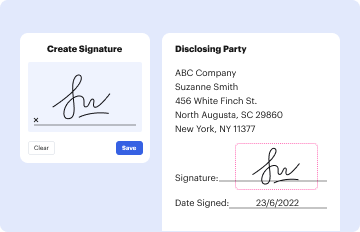
Draw your signature, type it, upload its image, or use your mobile device as a signature pad.

Send it via email, link, or fax. You can also download it, export it or print it out.
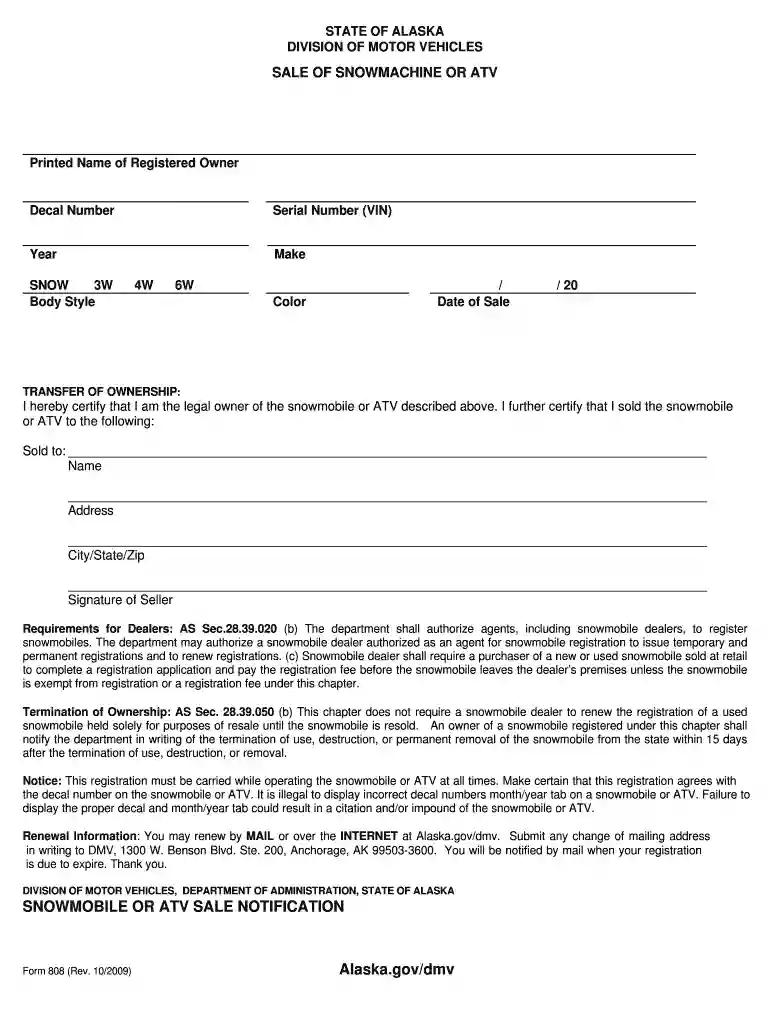
The process of registering your snowmobile with the Department of Motor Vehicles (DMV) involves officially documenting the ownership and operation eligibility of a snowmobile. This legal process is necessary for individuals who own and wish to operate a snowmobile in states where registration is mandated. Registration helps ensure compliance with state laws and facilitates tracking ownership, similar to registration requirements for automobiles. Registered vehicles receive a unique identification number and decals that must be displayed while the snowmobile is in use to remain within the legal framework. In many states, this process is essential to legally use the snowmobile on public lands and trails, ensuring the owner assumes responsibility for its use and abides by state environmental and safety regulations.
Using the snowmobile registration form involves completing specific sections that capture necessary details about the vehicle and its owner. Typically, the form requires:
After completing the form, it can usually be submitted to the DMV either in person, by mail, or through online submission methods, depending on the state's provisions.
Gather Required Information: Before filling out the form, collect all necessary information, including personal identification documents, proof of purchase, and vehicle specifications.
Fill Out the Form: Carefully input all details into the required fields. Double-check for accuracy to avoid processing delays.
Attach Supporting Documents: Commonly required documents include proof of insurance, bill of sale, and the previous registration if applicable.
Submit the Form: Follow state-specific guidelines for submission which may include online portals, mail options, or visiting a local DMV office.
Pay Applicable Fees: Be prepared to pay registration and possible filing fees, which can vary by state.
Receive Registration and Decals: Upon approval, the DMV will issue a registration certificate and decals, which must be visibly placed on the snowmobile.
Each state may have its specific requirements, so it is crucial to check state-specific regulations.
Understanding the specific rules and variations applicable in your state is paramount to ensure compliance and avoid penalties for improper registration.
To legally operate a snowmobile on public lands, registration is usually a prerequisite. Registration ensures that:
Legal registration is an essential part of maintaining responsible snowmobile ownership and operation.
Familiarity with these terms aids in understanding the registration process and any related documentation provided by the DMV.
Each section is crucial for full compliance and legal operation on public lands.
Operating an unregistered snowmobile can result in several penalties depending on the state's laws:
To avoid these penalties, it's crucial to register a snowmobile per state requirements promptly.
We've got more versions of the Registering Your SnowmobileDepartment of Motor Vehicles form. Select the right Registering Your SnowmobileDepartment of Motor Vehicles version from the list and start editing it straight away!
| Versions | Form popularity | Fillable & printable |
|---|---|---|
| 2009 | 4.8 Satisfied (160 Votes) |
At DocHub, your data security is our priority. We follow HIPAA, SOC2, GDPR, and other standards, so you can work on your documents with confidence.