




Definition and Meaning
"Form online" refers to digital documents available on the internet that can be completed and submitted across various sectors, including legal, tax, and other transactional purposes. These forms are designed to provide a streamlined method for users to enter, process, and record information efficiently. Online forms eliminate the need for physical paperwork, reducing human error and enhancing data management practices.
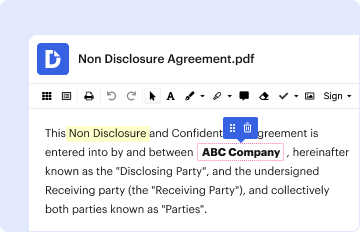
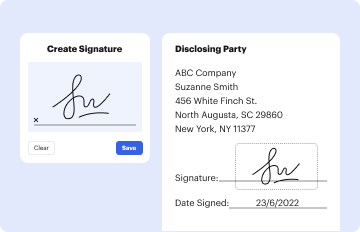
Online forms can range from simple contact information requests to complex legal agreements requiring digital signatures. Through platforms like DocHub, these forms become versatile tools that can be customized to fit a variety of needs, making them vital for businesses and individuals who prioritize efficiency and security in their document workflows.
How to Use the Form Online
Using an online form begins with accessing the form through a web browser on either a desktop or mobile device. You generally fill out each section by clicking on the designated fields and entering the required information. Some forms may have interactive elements, such as drop-down menus or checkboxes, to facilitate easy data input.
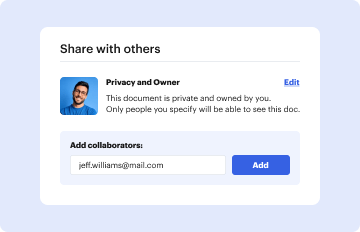
The process often involves a step-by-step walk-through where users are guided on how to complete the form successfully. This is particularly useful for complex forms with multiple sections. Once all required fields are filled, the form can usually be submitted directly through the platform, often by clicking a "Submit" button. Users may also have the option to save a copy for their records or send the completed form to third parties via email.
How to Obtain the Form Online
Accessing an online form generally requires navigating to a specific website that hosts the document, such as government portals or company websites like DocHub. For government-related forms, these are typically available on official agency websites, offering downloadable versions or web-based forms that can be completed in-browser.
Often, users will need to create an account or sign in with existing credentials, allowing them to download or fill the form directly online. Some platforms offer integration with cloud services, permitting imports from or exports to services like Google Drive or Dropbox, making these forms easily accessible on various devices.
Steps to Complete the Form Online
-
Access the Platform: Visit the website hosting the form. Log in or create an account if required.
-
Select the Form: Browse or search for the form you need, ensuring it aligns with your specific purpose.
-
Fill out Required Fields: Enter data into each field as guided. Use interactive features like checkboxes or dropdowns when available.
-
Review the Form: Double-check all entries to correct any inaccuracies. Ensure all necessary sections have been filled out.
-
Attach Required Documents: Upload any supplementary files if necessary. This may include identification, receipts, or supplementary evidence.
-
Submit the Form: Follow prompts to submit the completed form. You may receive a confirmation email or number for tracking purposes.
-
Save and Export: Opt to save a digital copy and, if needed, export the form back to a cloud service for easy access.
Why Should You Form Online
Completing forms online has significant benefits, primarily driven by convenience and efficiency. Users can access and submit forms anywhere with internet access, removing geographical constraints. This accessibility is especially beneficial in urgent or time-sensitive scenarios.
Digital forms offer built-in error checking, reducing common input mistakes and ensuring data integrity. For users handling sensitive or large volumes of forms, online platforms support workflows through automation features such as auto-saving and document tracking, enabling a more effective oversight.
Who Typically Uses the Form Online
A wide array of users benefit from using forms online, ranging from individual consumers to large organizations. Business entities such as corporations, small businesses, and non-profits often use online forms for applications, surveys, customer feedback, and internal processes.
In academia, students and educators use forms for applications and registrations. Government agencies rely on online forms for tax submissions, applications for permits, and legal documentation. Furthermore, healthcare providers use these forms for patient intake and insurance claims.

Key Elements of the Form Online
Key elements incorporated into online forms are designed to maximize user interaction and data precision. These elements include:
-
Interactive Field Options: Text fields, checkboxes, and dropdown menus guide user input, ensuring consistency and accuracy.
-
Validation Protocols: Rules that check the completeness and format of entries before submission.
-
Digital Signature Capability: Allows for binding acknowledgments similar to signatures on paper documents.
-
Submission Tracking: This feature offers users visibility into the form's status after submission.
-
Security Features: Encryption and secure access protocols protect sensitive data during submission and storage.
Legal Use of the Form Online
Online forms carry legal recognition similar to paper forms when standards and regulations like the ESIGN Act are adhered to. This gives online forms validity in legal processes, supporting electronic signatures and stored records as evidence in disputes or audits.
Organizations must ensure that their online forms align with applicable laws and regulations, such as data protection and privacy laws, ensuring compliance through robust security measures. Users must be informed of their rights and responsibilities through clear disclosure statements embedded within the forms.
Digital vs. Paper Version
The transition from paper to digital forms offers distinct advantages, notably in efficiency and environmental impact. Digital forms reduce paper usage and associated costs, supporting sustainability initiatives. They improve processing speeds by facilitating instant data transfer and automation capabilities.
However, some scenarios still require paper forms due to technological constraints or legal stipulations. Users without reliable internet access or with legal requirements for hard copies may prefer or require paper forms. Providing both options ensures broader accessibility and compliance flexibility.