





Definition and Meaning of Form Online
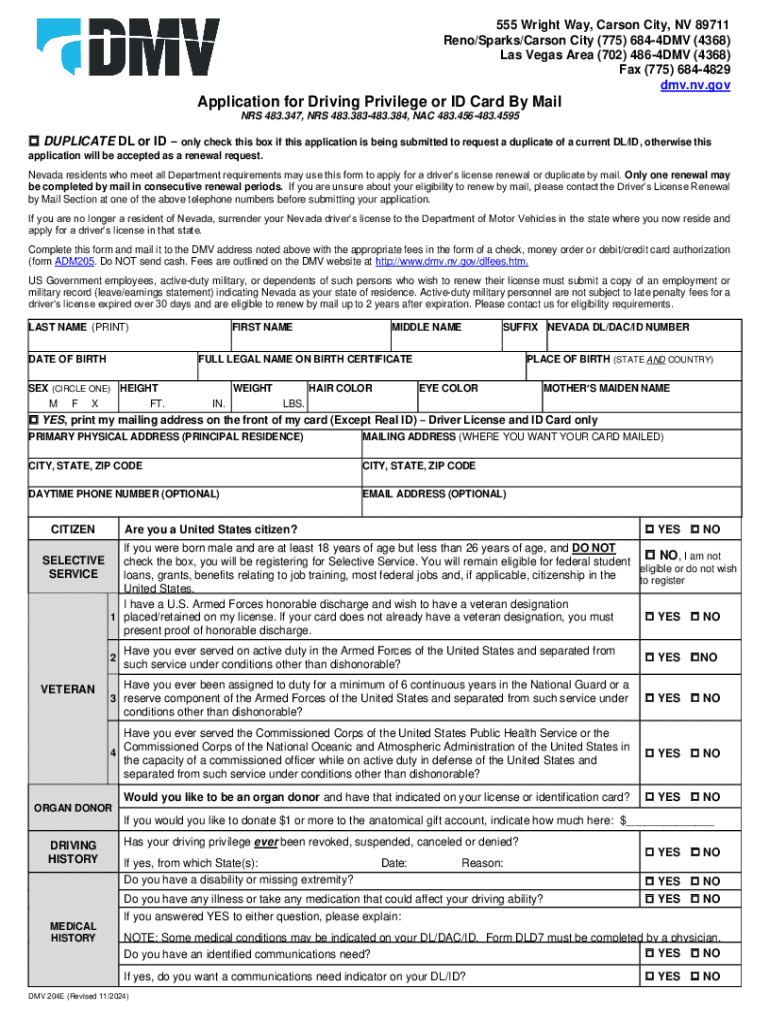
Forms online are digital versions of traditional paper forms that facilitate the efficient gathering, processing, and management of information electronically. These forms are utilized in various domains, including governmental agencies, corporate sectors, and educational institutions. The digital nature of forms online allows users to swiftly fill out and submit the required information from any computer or mobile device with internet access. This innovation not only saves time but also reduces the risk of errors associated with manual data entry.
Benefits of Using Online Forms
- Efficiency: Online forms streamline data collection, ensuring quicker processing and response times.
- Accuracy: Automated features reduce the likelihood of human error during data entry, providing more reliable results.
- Convenience: Accessible anytime and from anywhere, online forms offer unparalleled convenience for users and administrators.
- Cost-Effective: Reduces the need for physical paper, postage, and storage, resulting in financial savings.
How to Obtain Forms Online
Obtaining a form online is straightforward and can be done through several platforms or websites. The availability of forms online simplifies the process, eliminating the need to visit an office or location physically.
-
Identify the Source: Determine the website or platform where the specific form can be accessed. Government websites, company portals, or DocHub are common sources.
-
Search Functionality: Use the search bar typically found on these platforms to type in the form's name or number for quick access.
-
Download Options: Most sites will provide options to download the form directly to your computer or to complete it online.
Common Platforms for Online Forms
- Government Portals: For official documentation such as tax forms or license renewals.
- Corporate Websites: For application forms, feedback, or customer service purposes.
- Educational Institutions: For admission applications, consent forms, and surveys.
Steps to Complete the Form Online
Completing a form online involves a sequence of steps that ensure all necessary information is accurately and completely captured. Follow these steps for a smooth experience:
-
Access the Form: Log into the necessary platform using your credentials if required.
-
Read Instructions: Before filling out any data, thoroughly read any provided instructions or guidelines.
-
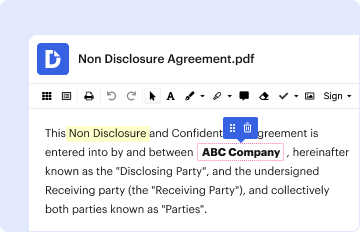
Fill in Required Sections: Input your data in all mandatory fields. Use form validation alerts to minimize errors.
-
Review Your Entries: Verify all information entered to ensure no mistakes are present.
-
Submit the Form: Once completed and reviewed, use the 'submit' button to send your form for processing.
Tips for Success
- Ensure stable internet connectivity to prevent data loss.
- Stay on the lookout for mandatory fields often marked with an asterisk (*).
- Keep copies of your submissions if the platform allows downloading or printing after submission.
Why Use Forms Online
Adopting digital forms carries numerous advantages that make them the preferred choice for both organizations and users.
- Environmentally Friendly: Minimizes paper usage contributing to eco-friendly practices.
- Data Security: Most platforms implement robust encryption methods to protect user data.
- Speed: Forms are processed and responded to more rapidly compared to traditional methods.
Important Terms Related to Forms Online
Understanding key terms related to online forms can enhance your experience and ensure accurate completion.
Glossary
- Encryption: The process of converting information into code to prevent unauthorized access.
- Validation: A technique used to ensure data input is correct and within specified constraints.
- User Interface (UI): The visual part of a software application that allows a user to interact with it.
Key Elements of Forms Online
Each online form comprises several essential components designed to ensure efficiency and user-friendliness.
- Text Fields: For inputting short text responses like names or addresses.
- Dropdown Menus: Offers a list of options for users to select from.
- Checkboxes and Radio Buttons: Used for binary response options or multiple selections.
- Submission Button: Finalizes the input and sends the data.
Required Documents for Form Submissions
Depending on the purpose, some online forms may require additional documentation for submission.
- Personal Identification: Copies of IDs or passports for verification purposes.
- Supporting Documents: Proof of residence, income statements, or legal documentation depending on the form's context.
Gathering and Uploading Documents
- Scan or Photograph Documents: Ensure clear and legible copies.
- Upload Functionality: Most platforms will provide an option to upload files directly from your device.
- File Format and Size: Ensure you comply with the specified file format (PDF, JPEG, etc.) and size limits.
Legal Use of Forms Online
Using online forms involves adhering to legal and ethical standards that govern digital processes.
- Compliance with Laws: Ensure forms comply with local and international data protection laws (like GDPR or CCPA).
- Terms and Conditions: Familiarize yourself with any terms and conditions that dictate the use of the form and the data collected.
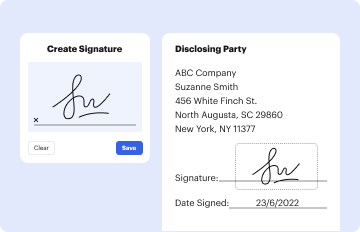
- Authentication Measures: This might include username/password or digital signature requirements to verify identity and consent.
Example Scenarios of Using Forms Online
Online forms meet a broad range of needs, with many practical applications in everyday situations.
Scenarios
- Job Applications: Filling out and submitting resumes and applications via company job portals.
- License Renewals: Streamlined process for renewing driver’s licenses or business permits electronically.
- Surveys and Feedback: Collection of customer or employee feedback through efficiently distributed surveys.
Understanding and utilizing the above elements of form online use can significantly enhance productivity, data accuracy, and user satisfaction across a variety of fields.