




Definition and Meaning of the Certificate of Denial
The Certificate of Denial issued by the Pennsylvania Department of State is an official document that signifies the refusal of a particular filing or registration request. This document commonly applies in the context of entities attempting to operate within the state, such as businesses seeking to register as corporations or limited liability companies (LLCs). The certificate indicates that certain legal or administrative criteria have not been met, thus denying the entity the ability to engage in business activities in Pennsylvania under the proposed terms. Understanding the specific reasons for denial is crucial, as they provide guidance for remedying the issues preventing approval.
Steps to Complete the Certificate of Denial Process
Acquiring a Certificate of Denial involves several key steps. First, an applicant must submit their initial application or filing to the Pennsylvania Department of State. If certain requirements are not met, the department issues the Certificate of Denial. Upon receipt, the recipient should carefully review the certificate for details on why the application was denied. This is followed by addressing the outlined issues, which could involve correcting submission errors, providing additional documentation, or fulfilling unmet statutory requirements. Finally, after making necessary corrections, the applicant can resubmit their application for reconsideration.
How to Obtain a Certificate of Denial
To obtain a Certificate of Denial, applicants typically submit filings or registration requests to the Pennsylvania Department of State. If these do not meet legal or procedural standards, the department issues a Certificate of Denial, detailing the specific issues and unmet requirements. This certificate acts as a formal notification rather than a document you directly request. For those seeking to address the denial, obtaining this certificate is a vital first step, as it precisely catalogues which aspects of the application require correction or additional support.
Legal Use of the Certificate of Denial
A Certificate of Denial serves numerous legal purposes. Primarily, it highlights compliance issues that must be addressed before an entity is legally recognized in Pennsylvania. This document holds significant legal weight, as it prevents unauthorized operations within the state under an unregistered or incorrectly registered business entity. While acting as a deterrent for non-compliant entities, it also guides businesses in aligning with Pennsylvania’s commercial regulations. Legal professionals often use it as a reference document for advising clients on the necessary steps to achieve compliance.
Key Elements of the Certificate of Denial
Several critical elements make up a Certificate of Denial from the Pennsylvania Department of State. These include the official title of the certificate, the specific legal statute or administrative code under which the denial was made, and detailed explanations of the unmet requirements of the application. Additionally, it provides guidance on any corrective measures that could potentially resolve the issues leading to the denial. This clarity helps applicants understand which aspect of their filing was deemed deficient, facilitating a more focused effort in subsequent submissions.
Who Typically Uses the Certificate of Denial
The primary users of a Certificate of Denial are businesses and professionals in the legal and financial sectors. Entrepreneurs and business owners attempting to register organizations for legal operation in Pennsylvania frequently encounter this document if their initial filing does not meet required standards. Moreover, lawyers and accountants who manage corporate compliance and filing processes for clients rely on the information within these certificates to advise and take corrective action. They aim to ensure that the necessary legal thresholds are met for successful registration or operation in the state.


Important Terms Related to the Certificate of Denial
Understanding a Certificate of Denial involves familiarizing oneself with several related legal and administrative terms:
- Filing Fee: Payment required with submission; non-payment could lead to denial.
- Statutory Compliance: Legal requirements that must be met for application approval.
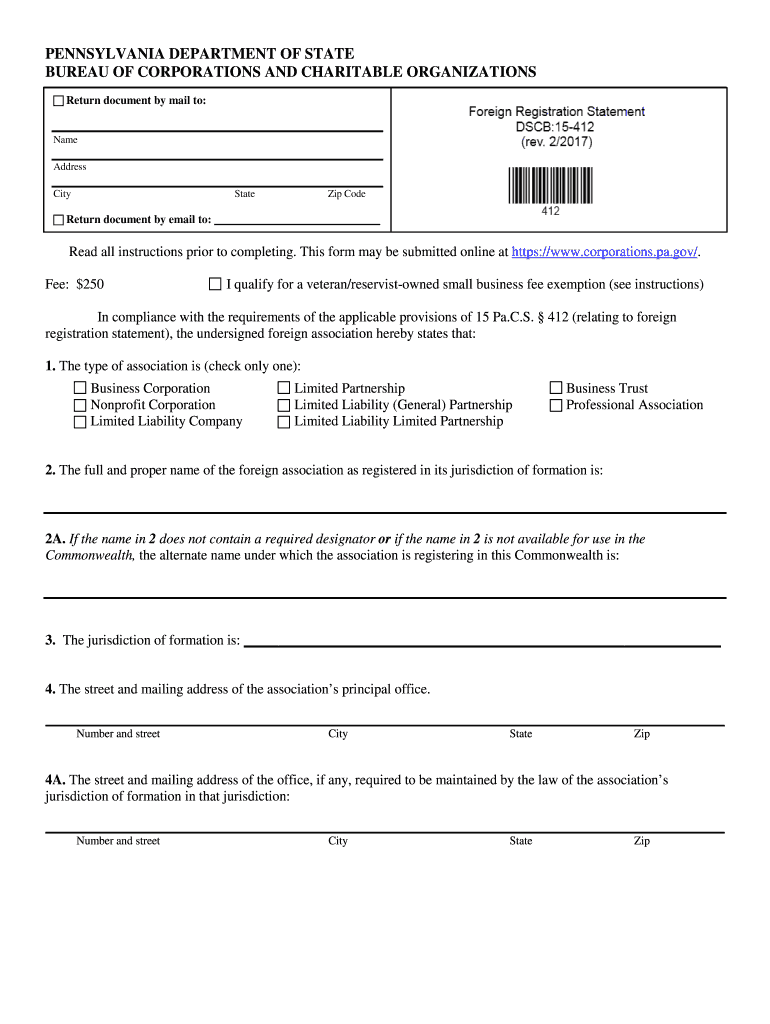
- Principal Office Address: Official registered location for the business; incorrect addresses could cause a denial.
- Jurisdiction of Formation: The legal origination state for the business entity; discrepancies in reported jurisdiction can affect approval.
These terms frequently appear in denials to describe compliance discrepancies needing rectification before re-assessment.
State-Specific Rules for the Certificate of Denial in Pennsylvania
Pennsylvania has unique statutory and administrative guidelines governing the issuance of Certificates of Denial. These state-specific rules mandate that all filings must adhere to the Pennsylvania Business Corporation Law and related statutes. Additionally, regulations stipulate precise procedural requirements, such as correctly using state-prescribed forms, adhering to signature requirements, and meeting all fee obligations. Understanding these Pennsylvania-specific rules is fundamental for businesses aiming for successful registration, as they provide the framework against which entity compliance is assessed.
Penalties for Non-Compliance with the Certificate of Denial
Ignoring a Certificate of Denial carries significant penalties. Businesses that operate without rectifying the issues highlighted in the certificate can face fines, legal actions, or involuntary dissolution. Additionally, they may be barred from participating in state-sanctioned contracts or lose access to other governmental benefits. Financial penalties may accumulate over time or be compounded by additional legal repercussions, highlighting the importance of promptly addressing all outlined deficiencies to avoid extended liability and ensure lawful operations.