





Definition & Meaning
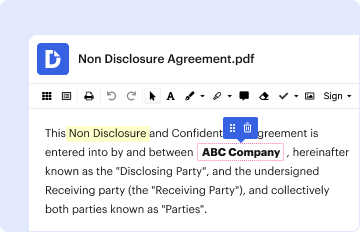
The term "form online" refers to digital forms accessible through the internet, which can be filled out and submitted electronically. These forms are designed to streamline data collection processes, whether for business, legal, or personal purposes. By moving traditional paper forms to an online format, users can benefit from increased efficiency, accuracy, and accessibility.
Digital forms are employed widely across various sectors, including government, healthcare, education, and finance. They can collect a range of data types, such as text, numerical values, and digital signatures. The flexibility of online forms allows for customization to meet the specific needs of the entity using them, resulting in a versatile tool that supports both straightforward data entry and complex information processing.
How to Use the Form Online
Using an online form typically involves accessing the form through a web browser on a computer or mobile device. Here are the steps to follow:
-
Access the Form: Navigate to the website hosting the form. For example, DocHub provides various forms that can be filled out directly on their platform.
-
Fill in Required Fields: Enter your information in the specified fields. Online forms often include text boxes, dropdown menus, and checkboxes.
-
Review the Information: Carefully check all entered information for accuracy to ensure the data submitted is correct.
-
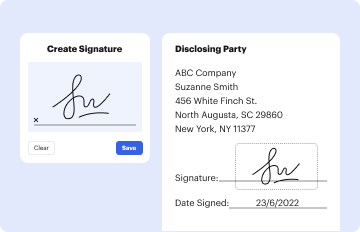
Sign (if required): If the form requires a signature, you can use electronic signing options. Platforms like DocHub allow you to electronically sign using a mouse, touchscreen, or upload an image of your signature.
-
Submit the Form: Once you have completed and verified all sections of the form, submit it through the designated method—typically by clicking a "Submit" button. The form will be sent electronically to the intended recipient.
How to Obtain the Form Online
To obtain a form online, you typically follow these steps:
-
Identify the Platform: Determine which website or platform hosts the form you need. For example, government agencies and businesses often host their specific forms on their websites.
-
Search for the Form: Use any available search function on the platform to locate the specific form. This may involve entering the name or code of the form into a search bar.
-
Download or Open: Depending on the platform, you can either download the form for offline completion or open it directly in a web-based editor.
-
Check Instructions: Carefully read any accompanying instructions to ensure you have the correct version and understand the requirements and purpose of the form.
Online forms are often available in PDF or HTML formats, providing ease of access and flexibility in how they can be filled out.
Steps to Complete the Form Online
Completing an online form generally involves guided steps that simplify the process:
-
Preparation: Gather all necessary information and documents beforehand to streamline the completion process.
-
Access: Open the form on a reliable platform, ensuring your internet connection is stable to avoid interruptions.
-
Enter Information: Fill in all mandatory and relevant optional fields, guided by prompts and tooltips often embedded within the form interface.
-
Add Attachments: If the form requires additional documents or evidence, upload these files via the available upload function.
-
Sign: For forms that require your signature, utilize any supported electronic signing tools.
-
Review and Confirm: Double-check all entries and attachments for completeness and correctness.
-
Submit: Send the form through the platform’s submission feature, confirming submission details such as time-stamps or recipient confirmation.
Why Should You Form Online
Forming online offers numerous benefits over traditional paper forms:
-
Convenience: Online forms are accessible 24/7 from any location with internet access, eliminating geographical and time constraints.
-
Efficiency: They streamline data collection and processing, reducing the time and resources spent on manual data entry and paper handling.
-
Accuracy: Built-in validation checks minimize the likelihood of errors compared to handwritten entries, which are prone to misinterpretation due to illegible handwriting.
-
Environmentally Friendly: Eliminating paper reduces waste and the carbon footprint associated with printing and shipping documents.
-
Security: Digital forms can be secured via encryption and authentication, offering greater protection for sensitive information.
Key Elements of the Form Online
Several critical elements are typically present in an online form to ensure proper functionality:
-
Field Labels and Instructions: Clearly marked sections guide users on what information to provide.
-
Data Validation Rules: Programmed checks to ensure data integrity, such as proper email formatting or numerical ranges.
-
Interactive Components: Elements like dropdown menus, checkboxes, and radio buttons that facilitate simple and intuitive user interaction.
-
Attachment Options: Facilities for uploading supplementary documents directly within the form interface.
-
Submission Confirmation: An acknowledgment system, often with a timestamp, to confirm successful form submission.
Legal Use of the Form Online
Online forms are legally recognized tools for data collection and agreements, governed by legislation such as the ESIGN Act in the U.S., which gives electronic signatures and records the same legal standing as their paper counterparts. Key legal considerations include:
-
Consent and Disclosure: Collecting information through online forms should ensure user agreement through clear consents and disclosures regarding the use and storage of data.
-
Accessibility: Ensuring forms are accessible to individuals with disabilities to comply with laws such as the Americans with Disabilities Act (ADA).
-
Data Protection Compliance: Adhering to relevant privacy laws, such as the General Data Protection Regulation (GDPR) for users handling data from EU citizens, and the California Consumer Privacy Act (CCPA) for California residents.
Software Compatibility
Platforms that offer online forms typically ensure compatibility with widely-used software tools:
-
Document Editors: Being compatible with editors like Microsoft Office allows users to import and export forms in formats such as DOC, XLS, and PDF.
-
Cloud Solutions: Integration with services such as Google Drive and Dropbox enhances functionality by facilitating easy file storage and retrieval.
-
Third-party Software: Compatibility with business tools such as QuickBooks and TurboTax allows for seamless data transfer, ensuring forms can be utilized directly within existing financial and productivity systems.
Examples of Using the Form Online
Many examples underscore the utility of online forms in different scenarios:
-
Business Applications: Companies utilize online forms for customer surveys, employee onboarding, and order processing, streamlining communication and record-keeping.
-
Legal Documents: Contracts and agreements can be formatted into online forms, enabling neat, legally binding exchanges over long distances.
-
Educational Enrollment: Schools and universities use online forms for student admissions, class registrations, and feedback collection, improving processing times and logistical ease.
The versatility of online forms makes them applicable across myriad contexts, demonstrating their adaptability and robustness in achieving efficient electronic transactions and interactions.