Definition & Meaning
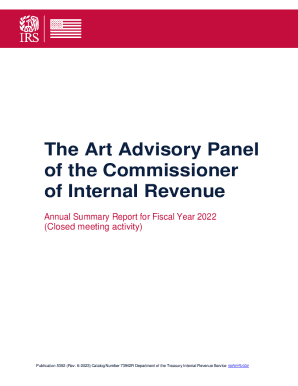
The "DRIE Tax Abatement Credit - NYC" stands for Disability Rent Increase Exemption, a program that aims to assist eligible disabled tenants in New York City by exempting them from specific rent increases. This initiative is part of a broader effort to ensure affordability in housing, offering a Tax Abatement Credit (TAC) to landlords, which compensates them for the frozen rental income. This mechanism ensures that landlords still receive the anticipated rent increase, but through a credit on their property taxes, rather than out-of-pocket payments by the tenant.
Real-World Scenarios
- Rent Stabilization: For landlords of rent-stabilized apartments, the DRIE program allows them to maintain rental affordability for long-term tenants dealing with disabilities, without suffering a loss of income.
- Public Housing Impact: In public housing scenarios, DRIE can also apply, assisting elderly or disabled tenants who face financial difficulties due to fixed incomes.
Eligibility Criteria
Eligibility for the DRIE Tax Abatement Credit in NYC is determined based on several factors. Tenants must meet specific income, age, and health-related criteria to qualify.


Income and Residency Requirements
- Annual Income Cap: Applicants must have a combined household income that does not exceed $50,000 annually.
- Primary Residence Condition: The property must be the primary residence of the tenant applying for DRIE benefits.
Disability and Age Criteria
- Disability Qualifications: The applicant must have a documented disability, acknowledged either by Social Security Disability Insurance (SSDI), Supplemental Security Income (SSI), or a Veterans' disability pension or compensation.
- Age Considerations: While primarily for disabled individuals, it sometimes overlaps with programs targeting seniors, particularly when age introduces further fixed-income stability challenges.
Important Terms Related to DRIE Tax Abatement Credit - NYC
Understanding specific terms is crucial for successful navigation of the DRIE application process and its subsequent benefits.
Key Terminologies
- Tax Abatement Credit (TAC): Credits provided to landlords to offset the rent freezes granted under the DRIE program, ensuring landlords are not financially disadvantaged.
- Base Rent: Refers to the legal rent amount charged before any applicable exemptions or increases.
Exemption Notations
- Freeze: In this context, the term freeze refers to maintaining rent at the level it was before granting the DRIE, avoiding subsequent increases.
- Certification of Eligibility: A required declaration affirming that the applicant meets all criteria for DRIE benefits.
How to Obtain the DRIE Tax Abatement Credit - NYC
Securing a DRIE Tax Abatement Credit involves a methodical application process where the applicant must provide thorough documentation.
Required Documentation
- Proof of Disability: Submit official letters from the Social Security Administration or Veterans Administration confirming the tenant's disabled status.
- Income Verification: Recent tax returns or statements confirming the household income level.
Application Steps
- Gather Required Documents: Collect necessary documentation, including identification, proof of income, and disability confirmation.
- Complete the Application Form: Fill out the NYC Department of Finance's DRIE application form with accurate personal and financial details.
- Submit to NYC Department of Finance: Applications can be submitted via mail, online, or in-person to the NYC Department of Finance.
Steps to Complete the DRIE Tax Abatement Credit - NYC
Completing the DRIE Tax Abatement Credit form requires attention to detail to secure approval.
Form Sections
- Tenant Information: Enter personal details such as name, address, and primary contact.
- Income Details: Provide information about household income and any related supporting documentation.
Submission Process
- Verify All Information: Ensure all required fields are accurately filled and double-check for completeness.
- Attach Supporting Documents: Include all necessary documentation such as photocopies of disability certification and income statements.
- Submit Application: Select a submission method that suits you best from online, mail, or in-person options.
Legal Use of the DRIE Tax Abatement Credit - NYC
The DRIE Tax Abatement Credit has specified legal guidelines and stipulations ensuring proper use.
Compliance Requirements
- Correct Application Submission: Ensure applications are filled out truthfully, with accurate, complete information.
- Use of Benefits: DRIE credits should only be used for the specified rent freezes and not for other financial gains unrelated to rent growth limitations.
Monitoring and Auditing
- Regular checks may be performed by NYC's Department of Finance to ensure continued compliance with all DRIE conditions. Misuse or false information could lead to termination of benefits or penalty actions.
Key Elements of the DRIE Tax Abatement Credit - NYC
Understanding the foundational elements of the DRIE program will enhance the application experience and ensure eligibility.
Program Highlights
- Financial Relief: Offers vital financial relief in the form of rent stabilization for eligible disabled tenants.
- Landlord Compensation: Provides essential compensatory benefits to landlords through TACs.
Examples of Using the DRIE Tax Abatement Credit - NYC
There are various illustrative examples of how DRIE can provide practical benefits to both tenants and landlords.
Tenant Use Cases
- Stabilized Rent Scenario: Alice, a tenant with a disability, uses DRIE to maintain her monthly rent at $1,200 despite increases, allowing her to manage her expenses better against a fixed income.
Landlord Benefits
- TAC Utilization: By receiving a TAC, landlord Bob can offset the potential $100 monthly increase he misses due to Alice’s rent freeze, maintaining his planned income stream.