






The Eviction Process: Essential Definitions
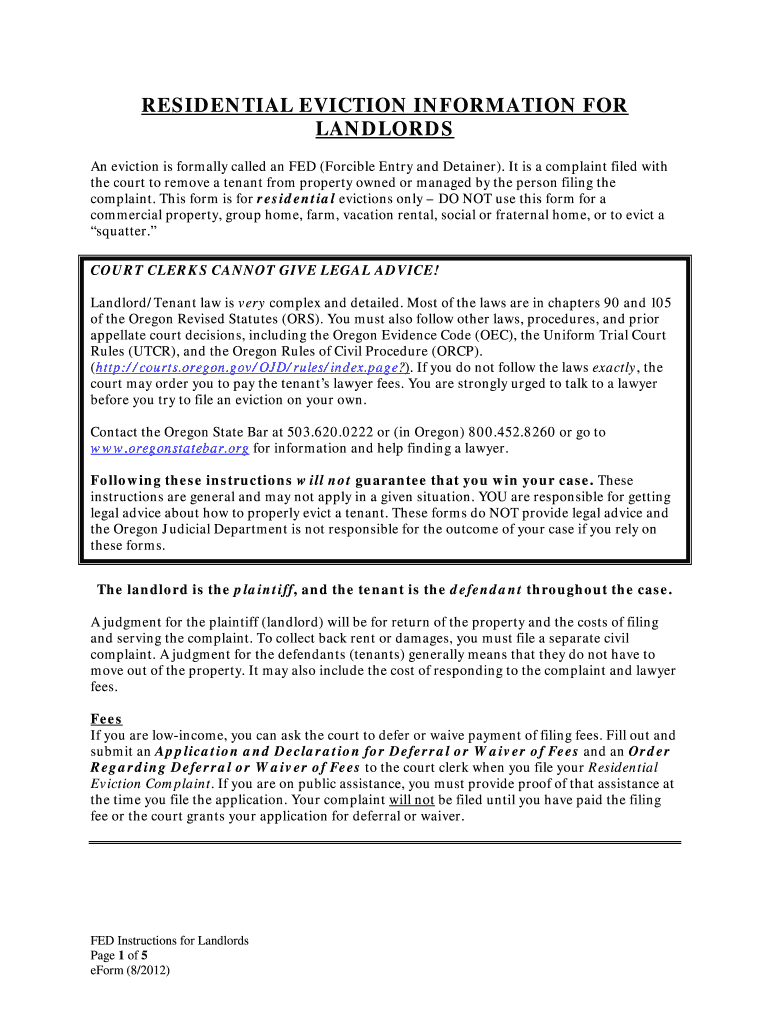
Understanding key terms is foundational to navigating the eviction process efficiently. Essential terms such as "Forcible Entry and Detainer" (FED) describe a landlord's legal method for recovering possession of property. This process involves filing an eviction complaint, demonstrating the necessity of prior notice and legal compliance.
- Forcible Entry and Detainer (FED): A legal procedure allowing landlords to reclaim properties.
- Eviction Complaint: A formal claim filed to initiate the eviction process.
These definitions are crucial for landlords to ensure compliance with legal standards and prepare appropriately for each procedural step.
Steps to Complete an Eviction Process
Navigating the eviction process involves multiple critical steps, starting with ensuring compliance with all legal requirements. Here is a detailed breakdown of the eviction procedure:
-
Issue Notice to Tenant: Landlords must provide tenants with a notice detailing the reason for eviction, such as non-payment or lease violation.
-
File an Eviction Complaint: If the tenant does not comply, landlords must file a complaint with the court to initiate legal proceedings.
-
Court Hearing: Both parties present evidence, and the court decides on the eviction case.
-
Obtain Judgment: If the landlord wins, the court issues a judgment allowing for removal of the tenant.
-
Execute Writ of Possession: The landlord may need to coordinate with local authorities to enforce the writ and regain property possession.
Each step involves adherence to precise deadlines and procedures, emphasizing the importance of legal guidance.
Legal Use of the Eviction Process
The eviction process is bound by specific legal guidelines to protect tenant and landlord rights. Landlords must comply with state-specific laws to prevent wrongful eviction claims, which could result in penalties or legal disputes. Legal use involves providing adequate notice, engaging in fair court procedures, and respecting tenants' rights to contest.
-
Legal Notice: Ensuring the notice period complies with state regulations (e.g., 30-day, 60-day notice).
-
Fair Court Hearing: Presenting evidence within a formal, legal context.
Missteps in these areas can lead to legal repercussions for landlords and potential delays in eviction.
Key Elements of the Eviction Process
Understanding critical components of the eviction process empowers landlords to manage cases effectively. These elements include:
-
Notice Requirements: Notices must clearly state the reason and allow the tenant time to rectify the issue or vacate.
-
Documentation: All communications and notices should be carefully documented to be used as evidence in legal proceedings.
-
Court Procedures: Familiarization with local court rules and procedures is crucial.
These elements ensure that landlords proceed within the legal framework and decrease the risk of case dismissal.
State-Specific Rules for Eviction
Eviction laws vary significantly by state, dictating everything from notice periods to court procedures. For example, Oregon requires landlords to provide a 72-hour notice for non-payment, while California mandates a 3-day notice.
-
Oregon: Focuses on supplemental notice periods and documentation.
-
California: Stipulates different conditions for residential and commercial evictions.
Landlords must be aware of these nuances and ensure procedures are tailored to their specific state requirements.
Document and Notice Requirements
Several documents are central to the eviction journey, including the eviction notice and complaint form. Comprehensive record-keeping helps verify compliance and protects landlords in court.
-
Eviction Notice: Must outline the reason and timeline for tenant compliance.
-
Court Complaint Form: Formalizes the eviction process and invites court intervention.
Collecting and maintaining accurate documentation is essential for defending actions during hearings and potential appeals.
Examples of Eviction Process in Practice
Real-world scenarios highlight the variability and challenges within eviction processes. A common example includes landlords issuing a 30-day notice which tenants ignore, leading to legal filings and eventual court intervention.
-
Non-Payment: A landlord issues a notice for unpaid rent; if ignored, they proceed to file a legal complaint.
-
Lease Violation: Tenant activities breach lease terms, initiating a notice and potential eviction if uncorrected.
These examples illustrate the diverse circumstances under which eviction processes unfold, underscoring the necessity for tailored strategies.
Penalties for Non-Compliance with Eviction Procedures
Failure to adhere to legal eviction procedures can result in significant consequences for landlords. Potential penalties include court-imposed fines, judgments for tenant damages, or even the dismissal of the eviction claim.
-
Judicial Penalties: Courts may impose fines for process violations.
-
Liability for Damages: Tenants denied due process might sue for unjust eviction.
Penalties underscore the importance of conducting evictions according to legal requirements, protecting landlords from costly repercussions.