Definition and Purpose of Business Entities Records
Business Entities Records in the State of California provide detailed information about corporations, limited liability companies, and limited partnerships registered with the California Secretary of State. These records are crucial for a variety of business activities, including compliance, business planning, and market analysis. Users can obtain information such as the status of a business entity, names of directors, and other pertinent details. This data is essential for both existing businesses and potential investors looking to gather comprehensive profiles on business entities.
How to Use Business Entities Records
To effectively use Business Entities Records, individuals typically conduct searches for detailed information about specific business entities. Users often access these records to:
- Verify the legal status and standing of a business.
- Retrieve information on business directors or officers.
- Conduct due diligence for mergers or acquisitions.
- Prepare detailed market assessments.
Companies and individuals should clearly define their information needs to efficiently navigate these records.
Obtaining Business Entities Records - Information and Fees
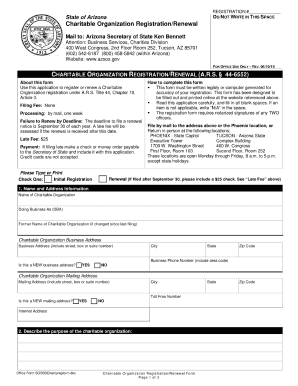
To request information, one can utilize the Business Entities Records Order Form available through the California Secretary of State's website. The process involves:
- Identifying the type of business entity (corporation, LLC, or partnership).
- Filling out the order form with the required details, including entity name and number.
- Submitting the form with applicable fees for copies or certificates.
Fees vary based on the document type requested, such as certified copies or status reports.
Steps to Complete the Order Form
Completing the Business Entities Records Order Form involves several carefully executed steps:
-
Download the Order Form: Access it via the California Secretary of State's website.
-
Enter Entity Information: Include business name, entity number, and type.
-
Specify Document Requests: Detail the types and number of documents needed, such as certificates or copies.
-
Calculate Fees: Understand the fee structure for each request type and total the amount required.
-
Choose Submission Method: Decide whether to submit the form online, by mail, or in person.
-
Review and Send: Double-check all information for accuracy before submission.
Key Elements of the Business Entities Records
These records contain vital information gathered by the California Secretary of State. Essential components include:
- Legal entity name and registration number.
- Status information indicating if the entity is active, suspended, or dissolved.
- Names of principal officers or directors.
- Filing history and statements of information.
Each component aids in determining the legitimacy and operational status of a business entity.
Legal Use of Business Entities Records
Access and use of Business Entities Records are regulated to ensure compliance with privacy and state laws. Legal purposes include:
- Conducting business transactions with full transparency.
- Verifying information for regulatory compliance.
- Supplying stakeholders with accurate business profiles.
Misinformation or misuse can result in legal penalties or restrictions on access.
Important Terms Related to Business Entities Records
Familiarity with certain terms is beneficial when dealing with these records:
- Entity Number: A unique identifier assigned to each business entity by the Secretary of State.
- Status Report: A document reflecting the current standing of a business with the state.
- Certified Copy: An official copy verified as a true reproduction by the Secretary of State.
Understanding these terms helps users navigate the record-keeping processes effectively.
Required Documents and Submission Methods
For ordering records, certain documents may be required depending on the request:
- Completed Business Entities Records Order Form.
- Payment for applicable fees, if submitting by mail or in person.
Methods of submission include:
- Online: Fast and convenient, allowing for digital payment options.
- Mail: Requires time for postal delivery but is a traditional and reliable method.
- In-Person: Direct submission at the relevant office, often offering immediate processing.
Each method has its benefits and choosing the right one depends on urgency and personal preference.