Definition & Meaning
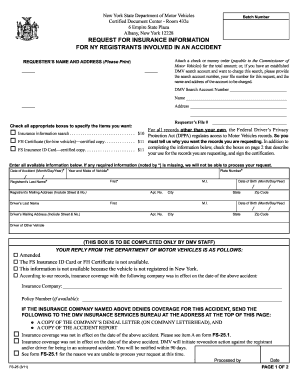
The "REGISTRY NUMBER: Reset Form" is typically used for updating or resetting registry numbers associated with specific entities or documents. These numbers are often critical identifiers in official databases and records, ensuring accurate tracking and reference. Resetting a registry number can be necessary when changes occur, such as a business restructuring or a change in registration details.
Examples and Context
- Businesses may reset their registry numbers when undergoing a significant change in structure, such as merger or acquisition.
- Individuals might need to reset a registry number on personal or real estate documents due to legal name changes.
Understanding the purpose and implications of this form is crucial for maintaining accurate legal and business records.
How to Use the REGISTRY NUMBER: Reset Form
To effectively use the REGISTRY NUMBER: Reset Form, follow these steps:
- Gather Necessary Information: Before accessing the form, ensure you have all relevant documents detailing the original registry number and reasons for the reset.
- Access the Form: The form can often be downloaded from governmental or relevant authoritative websites. Ensure it is the most recent version.
- Complete Required Fields: Enter the current registry number, along with the new number if applicable, and provide details explaining the need for the reset.
- Verification and Submission: Verify all information is correct. Depending on local requirements, the submission process may vary, such as mailing, online submission, or delivering in person.
Examples
- A company adjusting its registration due to a new state incorporation will need to accurately follow these steps to update their records.
Why Should You REGISTRY NUMBER: Reset Form
Resetting a registry number is often mandatory to comply with legal requirements. It ensures that all records are current and that the entity or document can be accurately referenced in legal, financial, or governmental contexts.
Benefits
- Legal Compliance: Staying compliant with regulations by promptly updating registry information.
- Accurate Record Keeping: Maintaining accurate databases and records facilitates smoother operations and transactions.
Who Typically Uses the REGISTRY NUMBER: Reset Form
The form is typically used by:
- Business Entities: Companies experiencing structural changes, relocations, or mergers.
- Individuals: Including those changing legal names or modifying personal documents.
- Government Agencies: Tracking and updating official records for accountability and reference.


Specific User Scenarios
- A corporation relocating headquarters might need to reset their registry number to reflect their new status.
- A newlywed couple changing last names may use the form to update personal registry numbers.
Key Elements of the REGISTRY NUMBER: Reset Form
The form includes several critical sections that need to be filled with precision:
- Current Registry Number: The number currently on record.
- New Registry Number: If available, the new number to be assigned.
- Reason for Reset: A detailed explanation of why the change is necessary.
- Supporting Documentation: May include legal documents proving the change.
Real-world Applications
- Companies must ensure all key sections are accurately filled to avoid future legal complications.
- Individuals must provide clear explanations to prevent delays in processing their requests.
Legal Use of the REGISTRY NUMBER: Reset Form
Using the form legally requires it to be filled with accurate information and submitted through the appropriate channels. It also often involves adherence to specific legal protocols to ensure that the reset is recognized by all relevant authorities.
Legal Considerations
- Documentation: Submitting accurate and complete supporting documents to validate claims.
- Timing: Ensuring the form is submitted within any legal deadlines set by authoritative bodies.
Understanding these criteria can prevent issues such as fines or invalidation of the registry reset.
Form Submission Methods: Online / Mail / In-Person
The submission process can vary based on jurisdiction and the organizing body. Common methods include:
- Online Submission: Preferred for its convenience and speed.
- Mail: Provides a tangible record of submission.
- In-Person: Useful when immediate confirmation or additional assistance is required.
Considerations
- Jurisdictional Variations: Some areas may not support all methods, requiring confirmation beforehand.
- Confirmation: Always seek confirmation of receipt when possible, to ensure the process is complete.
State-Specific Rules for the REGISTRY NUMBER: Reset Form
States may have unique rules and regulations regarding the use of the form. These differences can affect everything from eligibility to specific details that must be included on the form.
Key Differences
- Variations in Deadlines: Deadlines for submission can vary significantly, affecting the timeliness of the reset.
- Document Requirements: States might request different types of supporting documents to authenticate information.
Anticipating these variations ensures the registry reset process is smooth and legally compliant.