






Definition and Purpose of a Florida Limited Liability Company (LLC)
A Florida Limited Liability Company (LLC) is a business entity that combines the liability protection of a corporation with the flexibility of a partnership or sole proprietorship. This structure is ideal for businesses seeking to limit their personal liability while enjoying operational flexibility. Under Chapter 605 of the Florida Statutes, an LLC provides its members protection against personal liability for business debts and claims, meaning creditors typically cannot pursue members' personal assets. This legal shielding is crucial for entrepreneurs desiring to separate personal risk from business ventures. The LLC format also allows members to manage the company directly or appoint managers, offering customizable management structures suited to the business's needs.
How to Use the Division of Corporations Services
The Division of Corporations in Florida serves as the state's official repository for corporative business entities. You can use its services to file documents necessary for forming, amending, or dissolving an LLC. The division provides comprehensive resources for understanding statutory requirements related to LLCs, including the Articles of Organization and operating agreements. Access to the Division's digital platform enables you to file necessary documents online, verify business status, and retrieve entity records. Utilize its services to ensure compliance with state statutes, including fulfilling annual report obligations and freeing you from potential penalties due to non-compliance.
Steps to Complete the Articles of Organization
-
Choose a Name: The LLC must have a unique name, including a designator like "LLC.". Ensure it's distinguishable from other registered entity names using the Division's database.
-
Register a Registered Agent: This is an individual or entity responsible for receiving legal documents on behalf of the LLC. Include their name and address in the form.
-
Define the Management Structure: Decide whether the LLC will be member-managed or manager-managed. Each choice impacts daily operations and decision-making processes.
-
Supplement with Additional Information: Optional provisions often include delineations of member roles or specific operational guidelines.
-
Submit Documents and Fees: Submit the finished Articles of Organization through the Division's online portal or mail them. Include required filing fees.
-
Receive Confirmation: After submission, the Division reviews your documents. If approved, you'll receive your certified Articles of Organization.
Key Elements of the Limited Liability Company - Division of Corporations - Florida
Key elements include filing the Articles of Organization, choosing an appropriate name, appointing a registered agent, defining management roles, and meeting ongoing compliance obligations. These components ensure the LLC is recognized legally by the state and can operate seamlessly. The management structure decision—member-managed versus manager-managed—also significantly influences daily operations. Mandatory compliance requirements such as submitting annual reports and renewing your registered agent designation are critical to maintaining an LLC’s active status and avoiding administrative dissolution.
Legal Use of the Limited Liability Company - Division of Corporations - Florida
Establishing an LLC in Florida provides a legal framework for conducting business. This structure allows members to undertake activities like entering contracts, holding assets, and engaging employees without personal repercussions should the entity face legal action. Legal utilization also includes adhering to Florida Statutes when submitting mandatory reports. To maintain legality, regularly review compliance requirements and update the Division of Corporations with any significant changes like member additions or changes in management structure. The legal benefits are contingent upon strict adherence to these ongoing requirements.
State-Specific Rules and Filing Requirements
Florida has distinct rules governing LLCs, including specific naming conventions, submission requirements for Articles of Organization, and annual report filings. The state mandates using approved identifiers like “Limited Liability Company” or initials like "LLC." Additionally, the appointed registered agent must have a physical address in Florida. Articles usually cannot be filed with PO Boxes listed for the registered agent. Annual reports are required by May 1 to remain in good standing, with significant late fees imposed for non-compliance. Familiarity with these state-specific obligations is crucial in maintaining the LLC's compliance and legality.
Required Documents and Filing Methods
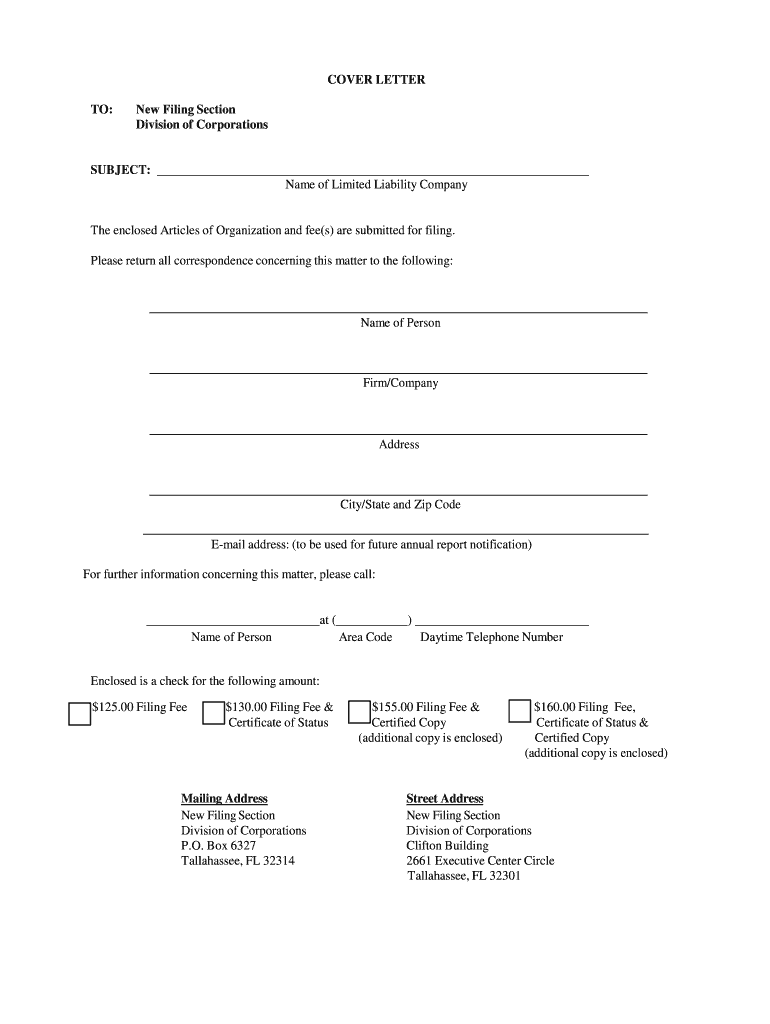
To establish an LLC, the primary document is the Articles of Organization. You’ll need to prepare the articles with details such as the business name, registered agent information, and management structure. Accompany these with any initial operating agreements, although not required by the state. Files can be submitted online through the Division's website or by postal mail. Online submissions allow for faster processing and confirmation. In addition, when submitting an annual report, you’ll require your LLC's Document Number, which can be verified through the state’s records database to ensure proper identification.
Penalties for Non-Compliance
Failure to comply with Florida’s LLC requirements can lead to severe repercussions. Not filing annual reports by the May 1 deadline incurs late penalties or administrative dissolution. If an LLC is administratively dissolved, it loses legal rights to operate in Florida until reinstatement requirements are met. Failure to maintain an up-to-date registered agent could result in not receiving legal notices, possibly leading to default judgments. Understanding the compliance landscape and adhering strictly to filing deadlines and requirements are essential to avoiding unnecessary legal and financial consequences.