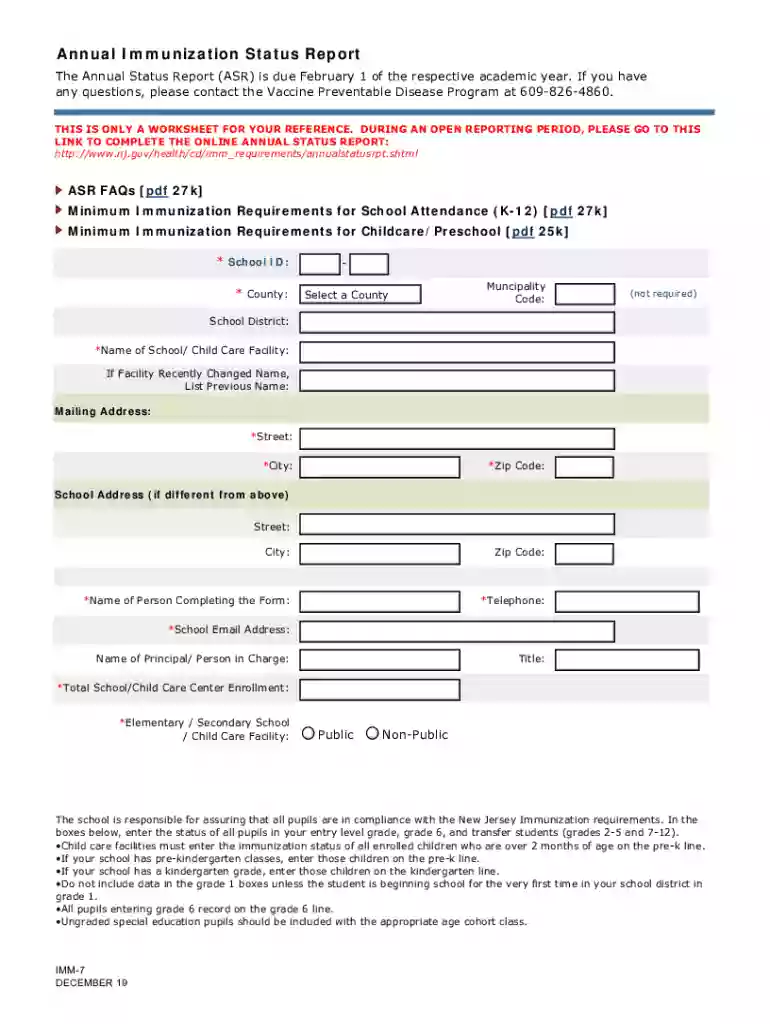
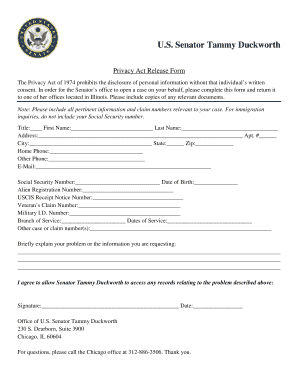
Department of Health Communicable Disease Service 2026

Get Form
Department of Health Communicable Disease Service Preview on Page 1

Here's how it works

01. Edit your form online
Type text, add images, blackout confidential details, add comments, highlights and more.

02. Sign it in a few clicks
Draw your signature, type it, upload its image, or use your mobile device as a signature pad.

03. Share your form with others
Send it via email, link, or fax. You can also download it, export it or print it out.

Definition and Meaning of the Department of Health Communicable Disease Service

The Department of Health Communicable Disease Service plays a pivotal role in monitoring and managing infectious diseases to safeguard public health. Its primary function is to track disease outbreaks, deliver timely information, and implement strategies to prevent the spread of communicable diseases. This service is crucial for coordinating efforts across various health jurisdictions and provides a structured approach to disease control.

How to Use the Department of Health Communicable Disease Service

Utilizing the Department of Health Communicable Disease Service effectively involves accessing their resources and adhering to their guidelines for disease prevention. Organizations and individuals can rely on the service for accurate data on disease trends, access educational materials, and receive guidance on best practices for infection control. Healthcare providers are encouraged to report any unusual occurrences or outbreaks to facilitate prompt investigation and response.

Steps to Complete the Department of Health Communicable Disease Service Form

Completing the Department of Health Communicable Disease Service form involves several clear steps to ensure accuracy and compliance:

  1. Gather Required Information: Begin by collecting all relevant data, including patient demographics, symptoms, and medical history.
  2. Fill Out Personal Details: Accurately enter personal and contact information for further communication, if necessary.
  3. Detail Disease Information: Provide comprehensive details about the suspected or confirmed disease, including onset date, symptoms, and related health conditions.
  4. Document Interventions: List any treatments or interventions that have been administered.
  5. Review and Submit: Carefully review the form for completeness and accuracy before submission to the designated health department.

Who Typically Uses the Department of Health Communicable Disease Service

Various user groups frequently engage with the Department of Health Communicable Disease Service, including:


  • Healthcare Providers: Doctors and nurses reporting cases of specific diseases.
  • Public Health Officials: State or local health departments monitoring and managing outbreaks.
  • Researchers and Epidemiologists: Academics studying disease patterns and effectiveness of interventions.
  • Educational Institutions: Schools managing immunization compliance and handling potential outbreaks.
decoration image ratings of Dochub

Important Terms Related to the Department of Health Communicable Disease Service

Several key terms are commonly associated with the Department of Health Communicable Disease Service:

  • Epidemiology: The study of how diseases spread and are controlled.
  • Quarantine: Restricting the movement of individuals to prevent disease spread.
  • Incubation Period: The time between exposure to a pathogen and the onset of symptoms.
  • Surveillance: Continuous analysis and reporting of health data for disease tracking.

Legal Use of the Department of Health Communicable Disease Service

The legal framework for using the Department of Health Communicable Disease Service involves adherence to public health laws and regulations that mandate reporting of certain diseases. Healthcare providers must comply with these laws to ensure public safety and contribute to data accuracy. Misuse or failure to report as required can result in penalties, highlighting the legal obligations involved.

Required Documents for the Department of Health Communicable Disease Service

Completing the Department of Health Communicable Disease Service processes generally involves several key documents:

  • Patient Information Form: Includes demographic and identifying details.
  • Medical Records: Required for understanding patient history and disease progression.
  • Lab Test Results: Essential for confirming diagnosis and informing treatment plans.
  • Reporting Form: A standardized document for officially communicating cases to the health department.

Form Submission Methods: Online, Mail, or In-Person

Submitting forms to the Department of Health Communicable Disease Service can be done through various methods for convenience and efficiency:

  • Online Submission: Forms can be completed and submitted via a secure online portal, ensuring quick processing.
  • Mail: For those who prefer a physical submission, forms can be mailed to the designated health department address.
  • In-Person: Direct submission at local health offices ensures immediate confirmation of receipt and can facilitate quicker communication for additional questions or clarifications.

Understanding Penalties for Non-Compliance

Non-compliance with the reporting requirements of the Department of Health Communicable Disease Service can lead to significant penalties. These may include fines, professional disciplinary actions, and, in severe cases, legal proceedings. Compliance ensures that public health is protected through timely and accurate reporting of communicable diseases, stressing the importance of adhering to mandated guidelines.

be ready to get more

Complete this form in 5 minutes or less

Get form

Got questions?

We have answers to the most popular questions from our customers. If you can't find an answer to your question, please contact us.
Contact us
A disease that, when diagnosed, requires health providers (usually by law) to report to state or local public health officials. Notifiable diseases are of public interest by reason of their contagiousness, severity, or frequency.
The Department of Noncommunicable Diseases and Mental Health (NMH) is responsible for promoting, coordinating, and implementing technical cooperation activities related to the prevention, control, and surveillance of noncommunicable diseases, all forms of malnutrition, mental health, neurological and substance use
Notifiable infectious diseases Anthrax. Arboviral diseases, neuroinvasive and non-neuroinvasive. California serogroup virus diseases. Babesiosis. Botulism. Botulism, foodborne. Brucellosis. Campylobacteriosis. Candida auris. Carbapenemase Producing Carbapenem-Resistant Enterobacteriaceae (CP-CRE) CP-CRE, Enterobacter spp.
Diseases reportable to the CDC include: Anthrax. Arboviral diseases (diseases caused by viruses spread by mosquitoes, sandflies, ticks, etc.) such as West Nile virus, eastern and western equine encephalitis. Babesiosis. Botulism. Brucellosis. Campylobacteriosis. Cancer. Candida auris, clinical.
Some examples of the communicable disease include , hepatitis A, B and C, measles, salmonella, measles, and blood-borne illnesses.

Security and compliance

At DocHub, your data security is our priority. We follow HIPAA, SOC2, GDPR, and other standards, so you can work on your documents with confidence.

Learn more
ccpa2
pci-dss
gdpr-compliance
hipaa
soc-compliance

People also ask

, hepatitis A, B, and C, measles, influenza, coronaviruses, and blood-borne infections are a few examples of communicable diseases. Hepatitis, in particular, is a type of communicable disease that spreads via the oral-faecal route.
Syphilis (including congenital syphilis), gonorrhea, chlamydia, chancroid, and are reportable diseases in every state.

Related links