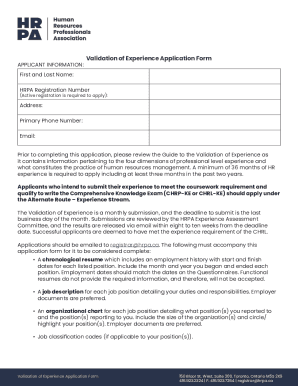
Hospital Pharmacy Practice - Minnesota 2026

Get Form
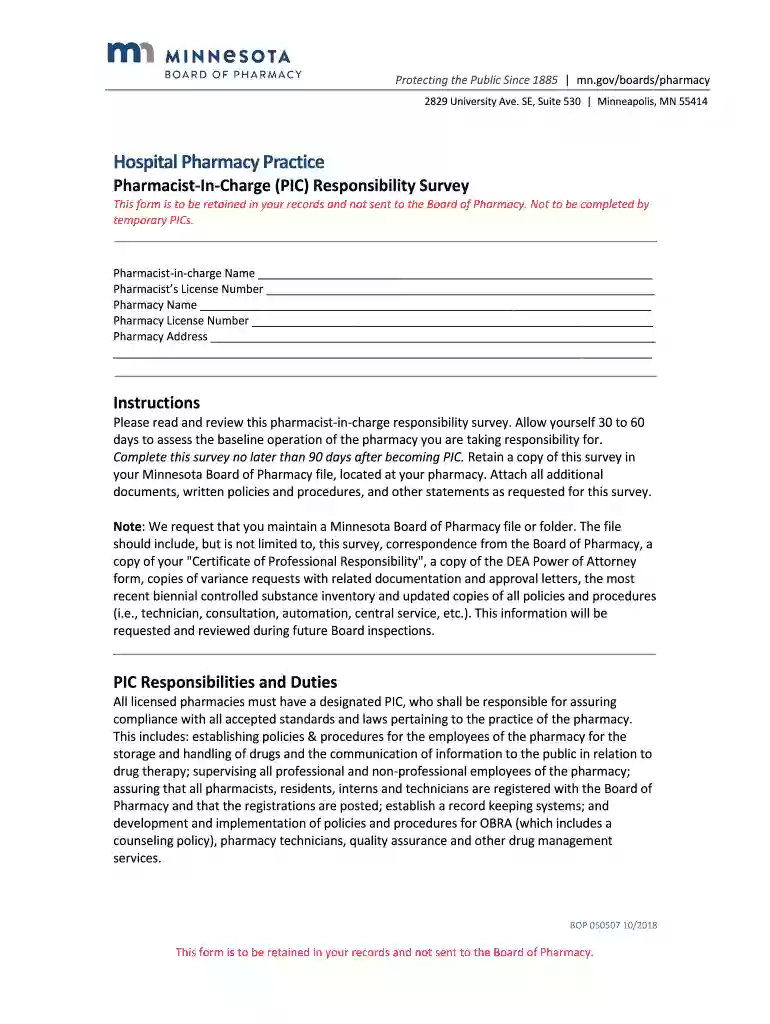
Hospital Pharmacy Practice - Minnesota Preview on Page 1

Here's how it works

01. Edit your form online
Type text, add images, blackout confidential details, add comments, highlights and more.

02. Sign it in a few clicks
Draw your signature, type it, upload its image, or use your mobile device as a signature pad.

03. Share your form with others
Send it via email, link, or fax. You can also download it, export it or print it out.

Definition & Meaning

Hospital Pharmacy Practice in Minnesota refers to the specialized practice of pharmacy within a hospital setting, dedicated to optimizing medication use and improving patient outcomes. In this critical healthcare environment, pharmacists are tasked with managing medication distribution, collaborating with medical staff, and ensuring compliance with state and federal regulations. This practice is integral to providing comprehensive patient care through precise medication management and safety protocols. Hospital pharmacies play a pivotal role in the healthcare system, aligning pharmacy operations with the hospital's overall mission to enhance patient well-being.

How to Use the Hospital Pharmacy Practice - Minnesota

The utilization of Hospital Pharmacy Practice in Minnesota involves several key components. First, pharmacists must ensure accurate medication dispensing tailored to each patient's needs, including dosage form and administration route. Collaboration with healthcare teams is essential, involving consultations on medication therapies and patient education. This practice also encompasses conducting medication reconciliation and reviewing patient histories to prevent adverse drug interactions. Understanding the electronic health record systems used by the hospital is crucial for documentation and tracking purposes. Additionally, pharmacists are responsible for maintaining an up-to-date knowledge of formulary drugs used within the hospital.

Key Elements of the Hospital Pharmacy Practice - Minnesota

Hospital Pharmacy Practice in Minnesota involves several core elements critical to its operation:

  • Medication Management: Overseeing the logistics of medication dispensing, including stock rotation, handling controlled substances, and addressing formulary management issues.
  • Clinical Consultation: Providing clinical expertise for medication therapy management and patient safety.
  • Regulatory Compliance: Adhering to state and federal laws governing pharmacy practice, such as patient confidentiality and the secure handling of medications.
  • Education and Training: Implementing training programs for pharmacy staff and healthcare providers on proper drug utilization and safety protocols.
  • Quality Assurance: Continuously evaluating practices to improve efficiency and healthcare outcomes, often through audits and performance metrics.

Steps to Complete the Hospital Pharmacy Practice - Minnesota

To efficiently complete the processes associated with Hospital Pharmacy Practice in Minnesota, one must follow a structured approach:

  1. Review and understand the state's pharmacy practice regulations and standards.
  2. Implement a systematic inventory management process for all medications.
  3. Establish clear communication channels with healthcare providers for seamless consultation.
  4. Engage in continuous professional development to stay abreast of the latest advancements and guidelines in hospital pharmacy practice.
  5. Conduct regular quality checks and audits to ensure compliance with safety standards and optimize patient outcomes.

State-Specific Rules for the Hospital Pharmacy Practice - Minnesota

Minnesota enforces specific regulations affecting hospital pharmacy practices that professionals must be aware of and comply with. These include:

  • Licensing Requirements: All pharmacists must hold a valid Minnesota pharmacy license and comply with ongoing continuing education requirements.
  • Patient Consent Practices: Minnesota mandates that pharmacists obtain patient consent for certain medication therapies, particularly new or high-risk drugs.
  • Record-Keeping Standards: Accurate and accessible patient records are required, with state-specific guidelines dictating the duration for which these need to be maintained.
  • Compounding Regulations: Additional rules apply for compounded medications, demanding adherence to strict quality controls and documentation of the compounding process.

Who Typically Uses the Hospital Pharmacy Practice - Minnesota

Various professionals and organizations benefit from adhering to the Hospital Pharmacy Practice in Minnesota:


  • Pharmacists: Utilize hospital pharmacy practice protocols to deliver precise medication therapies and safeguard patient health.
  • Hospital Administrators: Implement guidelines to streamline pharmacy operations and align with healthcare objectives.
  • Healthcare Teams: Engage pharmacists in multidisciplinary discussions on patient treatment plans.
  • Regulatory Bodies: Rely on sound hospital pharmacy practices to ensure compliance with public health standards.
decoration image ratings of Dochub

Examples of Using the Hospital Pharmacy Practice - Minnesota

Practical scenarios often arise in the application of Hospital Pharmacy Practice. For instance:

  • Medication Discrepancies: Regular audits reveal discrepancies in stock, prompting a review of handling procedures and adjustments to inventory control systems.
  • Collaborative Care: During a ward round, pharmacists identify potential drug interactions and suggest alternative therapies that reduce patient risk.
  • Formulary Review: A review session with medical staff leads to the inclusion of a new drug on the hospital's formulary, requiring training sessions for appropriate usage and monitoring.

Required Documents

Implementing Hospital Pharmacy Practice demands maintaining precise documentation:

  • Pharmacy Licenses: Valid records of all pharmacists' state licenses.
  • Inventory Logs: Detailed records of medication stock levels, including controlled substances.
  • Patient Records: Comprehensive documentation of patient medications, consent forms, and therapy plans.
  • Audit Reports: Reports from assessments evaluating pharmacy practice efficiency and safety standards.

Form Submission Methods (Online / Mail / In-Person)

Different channels are available for handling documentation related to Hospital Pharmacy Practice processes:

  • Online: Digital platforms facilitate the submission of audit reports and inventory logs.
  • Mail: Occasionally, secure mail services are required, especially for paper-based documentation.
  • In-Person: Compliance inspections and physical auditing may necessitate in-person submissions to regulatory bodies or hospital administration for review and record-keeping.

Legal Use of the Hospital Pharmacy Practice - Minnesota

Using the Hospital Pharmacy Practice within Minnesota requires strict legal compliance:

  • Data Protection: Ensuring patient records are confidential and compliant with HIPAA regulations.
  • Procurement Policies: Adhering to legal requirements concerning the procurement and storage of medications, especially for controlled substances.
  • Liability Management: Instituting guidelines that minimize legal risks associated with medication errors or adverse drug reactions.

Important Terms Related to Hospital Pharmacy Practice - Minnesota

Several important terms are consistently used within the scope of Hospital Pharmacy Practice:

  • Formulary: A list of medications approved for use within the hospital.
  • Compounding: The process of preparing personalized medication by combining, mixing, or altering ingredients.
  • Medication Reconciliation: The process of ensuring patients' medication lists are accurate and up-to-date, particularly during hospital admissions and discharges.
  • Clinical Pharmacokinetics: The study of drug absorption, distribution, metabolism, and excretion to optimize drug therapy.
be ready to get more

Complete this form in 5 minutes or less

Get form

Got questions?

We have answers to the most popular questions from our customers. If you can't find an answer to your question, please contact us.
Contact us
Good Pharmacy Practice requires that the core of the pharmacy activity is the supply of medication and other health care products, of assured quality, appropriate information and advice for the patient, and monitoring the effects of their use.
The specialized functions of clinical pharmacists require of them to regularly interact with other HCPs in the ward setting, assessing patients and the prescribed treatment. In contrast hospital pharmacists spend most of their time in the pharmacy preparing medications for patients [8, 9].
Hospital pharmacy is the health care service, which comprises the art, practice, and profession of choosing, preparing, storing, compounding, and dispensing medicines and medical devices, advising healthcare professionals and patients on their safe, effective and efficient use.
DEFINITION: The practiceof pharmacy within the hospital under the supervision of a professional pharmacist is known as hospital pharmacy FUNCTIONS OF HOSPITAL PHARMACY: Forecast of demand Selection of reliable suppliers Prescribing specifications of the required medicament Manufacturing of sterile or non-
These are categorised according to the four pillars of practice: clinical, education, leadership and research. You can view it, download a copy for yourself, share it with colleagues and even print it for display in your workplace.

Security and compliance

At DocHub, your data security is our priority. We follow HIPAA, SOC2, GDPR, and other standards, so you can work on your documents with confidence.
Learn more
ccpa2
pci-dss
gdpr-compliance
hipaa
soc-compliance