Definition and Scope of Emergency Bans on Evictions
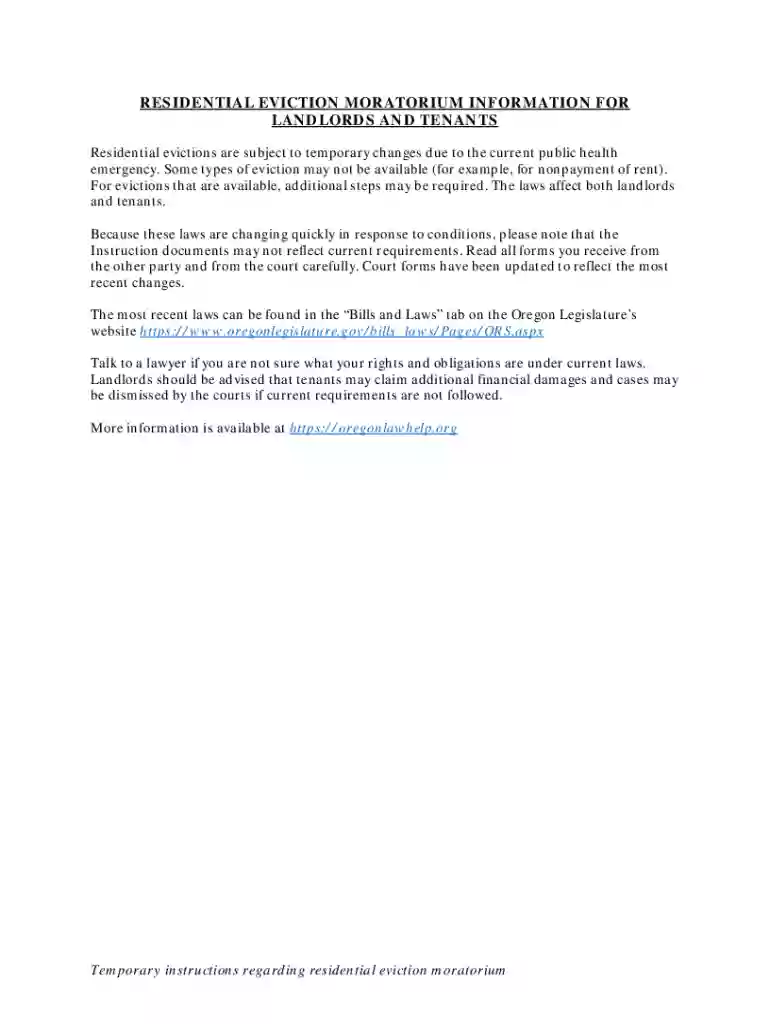
The term "emergency bans on evictions" refers to temporary legal measures applied during the coronavirus pandemic, aiming to protect tenants from being evicted due to financial hardships caused by the crisis. These bans were crucial in preventing homelessness and maintaining public health by reducing the movement of people and the subsequent spread of the virus.
Importance and Impact
- Homelessness Prevention: The bans were instrumental in keeping individuals and families in their homes, especially those who experienced sudden job loss or income reduction.
- Public Health: By keeping people housed, these bans helped reduce the potential transmission of COVID-19 among vulnerable populations.
How to Use Information on State-Specific Eviction Bans
Understanding the varied rules across states is critical for tenants and landlords. Each state adapted the federal guidelines based on local needs, resulting in differing procedures and timelines.
Research and Application
- Identify Your State's Regulations: Visit state government websites or legal aid organizations for specific details about the duration and scope of the bans.
- Understand Notices Required: Familiarize yourself with what notifications are necessary, both for tenants and landlords.
Steps to Apply for Eviction Protection
Tenants should follow specific procedures to ensure they qualify for eviction protections under state and federal guidance.
Detailed Process
- Documentation: Gather documents showing loss of income or employment due to the pandemic.
- Notification: Inform your landlord of your situation in writing, citing the specific regulations protecting you.
- Legal Assistance: Consult with local legal aid for advice on how to present your case if further action is needed.
Key Elements of the Eviction Ban Regulations
The regulations typically involve several critical components that both tenants and landlords should be aware of to navigate the eviction process legally.
Critical Components
- Eligibility Requirements: Not all tenants automatically qualify; verification of pandemic-related financial hardship is often necessary.
- Duration of Protection: Understand the specific time frames during which the bans are effective.
- Rent Payment Obligations: Tenants were still generally required to pay rent or negotiate with landlords on payment plans.
State-Specific Rules for Eviction Bans
Each state implemented nuances in the federal guidelines to address unique local challenges and needs.
Example States
- California: Extended protections beyond federal deadlines, incorporating additional tenant relief funds.
- New York: Implemented a comprehensive program offering rent relief and legal resources for tenants.
Legal Implications and Compliance
Understanding the legal landscape is vital for both landlords and tenants to avoid potential legal issues.
Compliance Tips
- Landlords: Must adhere to the state-specific notification and filing processes to carry out evictions legally.
- Tenants: Should ensure all documentation and communication with landlords is properly filed and recorded.
Common Scenarios and Case Studies
To better understand how these bans worked in practice, examining real-world scenarios provides effective insight.
Example Scenarios
- Job Loss: A tenant faces eviction after losing employment due to company downsizing amid the pandemic.
- Small Landlords: Navigating tenant protection rules while managing mortgage obligations on rental properties.
Penalties for Non-Compliance with Eviction Bans
Failing to adhere to the state and federal eviction moratorium guidelines can result in serious legal consequences.
Potential Penalties
- For Landlords: Unauthorized evictions can lead to fines, legal suits, and invalidation of eviction notices.
- For Tenants: Misuse of protections without genuine cause may result in legal action and future rental difficulties.
Versions or Alternatives to Current Regulations
As conditions evolved, various states adapted or modified their initial guidelines to match ongoing economic and health changes.
Regulatory Evolution
- Updates: Regularly check for new state directives or extensions as the pandemic situation continues to change.
- Long-Term Solutions: Some states have begun integrating lessons from the pandemic into more permanent tenant protection and assistance policies.