





Definition and Meaning of the Court of the State of New York - New York State Unified
The Court of the State of New York, also known as the New York State Unified Court System, serves as the judiciary of the state of New York. It is responsible for interpreting and upholding the law, ensuring justice, and providing a structured system for resolving disputes. The courts under this system include various levels such as trial courts, appellate courts, and specialized courts like family and small claims courts. Understanding its structure is crucial for navigating legal processes within New York State.
Structure of the Unified Court System
- Court of Appeals: The highest court in New York, handling appeals of significant legal issues.
- Appellate Divisions: Intermediate courts that review decisions from lower courts.
- Trial Courts: These include the Supreme Court, County Courts, Family Courts, Surrogate's Courts, and others, each dealing with specific types of cases.
Importance and Functionality
The court system ensures impartial justice is accessible and available to all citizens. It plays a significant role in interpreting state and federal laws, adjudicating disputes, and protecting individuals' rights.
Steps to Complete the Court of the State of New York - New York State Unified Form
Successfully completing court-related forms can be crucial for legal proceedings. Follow these essential steps to ensure accuracy and compliance:
-
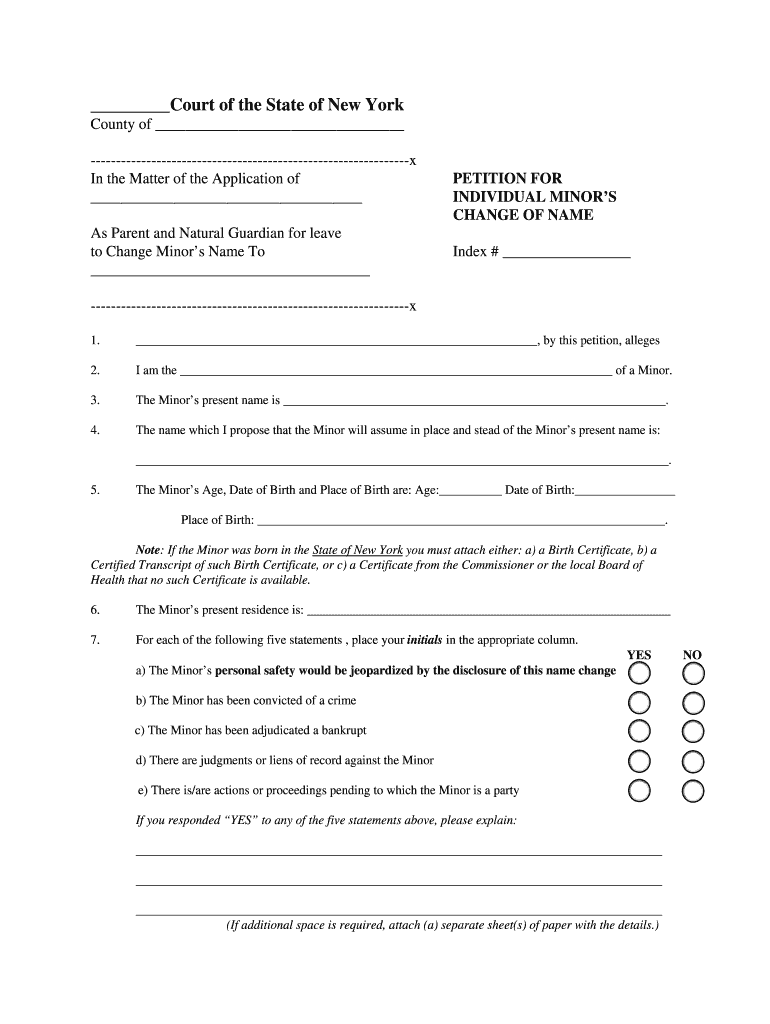
Identify the Correct Form: Determine which form is needed for your specific legal issue, such as a name change petition or filing for a protective order.
-
Gather Necessary Information: Collect all relevant details, including personal identification, details of the parties involved, and any supporting documentation.
-
Read the Instructions Carefully: Pay close attention to the guidelines provided with the form to prevent mistakes and ensure all sections are completed correctly.
-
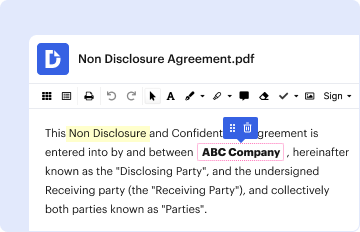
Fill Out the Form: Clearly and accurately provide the required information. Use black ink if completing a paper form, or type if submitting digitally.
-
Review and Double-Check: Check your form for completeness and accuracy to avoid delays or rejections.
-
Submission: Submit the form according to court guidelines, whether online, by mail, or in person.
Common Mistakes to Avoid
- Omitting crucial information can lead to delays.
- Failure to sign where required; unsigned forms are often returned.
- Not following specific state or county requirements can render the form invalid.
How to Obtain the Court of the State of New York - New York State Unified Forms
Acquiring the right form is the first step in engaging with the New York court system effectively. Here are ways to access these forms:
-
Online Resources: The official New York Courts website offers a comprehensive list of forms that can be downloaded at no cost.
-
Clerk's Office: Visit the court clerk's office in the relevant courthouse to obtain paper copies of the forms needed.
-
Legal Assistance Clinics: Local libraries and legal aid offices may provide access to necessary forms and guidance on completing them.
Considerations for Choosing a Format
- Digital Forms: Offer the advantage of easy access and the capability to fill them out electronically.
- Paper Forms: Preferred in certain court settings or among individuals without reliable internet access.
Legal Use of the Court of the State of New York - New York State Unified Form
These forms serve various legal purposes depending on the nature of the case or legal issue. Common legal uses include:
- Petitions: For changes like name alterations or guardianships.
- Complaint Filing: Initiate litigation or formalize grievances.
- Appeals: Challenge or seek review of decisions by lower courts.
Importance of Legal Compliance
- Ensure all forms are used in accordance with New York State's legal requirements to avoid invalidation.
- Legal assistance may be required for complex forms or understanding requirements.
State-Specific Rules for the Court of the State of New York - New York State Unified
The Unified Court System adheres to specific state rules which may affect how forms should be completed and submitted:
- Jurisdiction Requirements: Verify that the court has jurisdiction over the subject matter and parties involved.
- Residency Requirements: Some forms, like those related to family law, might have requirements tied to the residency of the parties involved.
Impact of State Rules
- Affects timelines for adjudication and forms’ acceptance.
- Can influence the cost and process of legal proceedings.
Key Elements of the Court of the State of New York - New York State Unified Forms
Understanding the primary components ensures proper completion and acceptance by the court:
- Caption/Title: The heading section includes the title of the court, case number, and parties involved.
- Petitioner's Information: Details of the individual initiating the action.
- Respondent's Information: Opposing party's data, if applicable.
- Relief Sought: Specifies the action or outcome petitioned for.
Essential Form Sections
- Attachments: Supporting evidence or documents are often required.
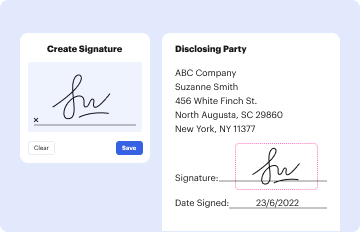
- Signature Lines: All forms require the signature of the petitioner and possibly additional parties.
Who Uses the Court of the State of New York - New York State Unified Forms
These forms are utilized by a diverse array of individuals and entities such as:
- Individuals: Personal issues like family law matters or civil disputes.
- Attorneys: Legal professionals facilitate their clients' processes.
- Businesses: Engaged in legal proceedings related to corporate affairs.
Usage Scenarios
- Family Law Cases: Divorce, custody, and support disputes necessitate specific forms.
- Civil Litigation: Businesses often require certain forms for filing lawsuits or defenses.
Examples of Using the Court of the State of New York - New York State Unified
Practical application scenarios highlight typical uses and benefits of these forms:
- Name Change Petition: A parent may wish to change a child's surname, requiring detailed justification and accompanying documentation.
- Filing a Small Claim: Individuals pursuing debts under a specific threshold need specific forms to initiate claims.
Real-World Use Cases
- Landlord-Tenant Disputes: Requires forms for eviction or recovery of monies owed.
- Guardianship Appointments: Formalizing guardianship for minors or incapacitated adults through petitions and affidavits.
These detailed and structured guidelines provide comprehensive coverage on engaging with the New York State Unified Court System, ensuring all users can navigate the legal process confidently and efficiently.