






Definition and Meaning
Changing your name legally involves altering your first, middle, or last name through a legal process. The "How to Legally Change Your Name - FindLaw" form provides step-by-step instructions for individuals looking to change their name in compliance with state laws. This document serves as an essential guide to navigate the legal system efficiently and ensures the process is completed correctly and validly.
Specific Purpose and Use Cases
The form is useful for various situations, such as marriage, divorce, adopting a new identity, or correcting errors in official documents. It is important to note that name changes are not merely personal; they have legal and social implications that can impact banking, identification documents, and social security records, among others.
Steps to Complete the How to Legally Change Your Name
-
Research State Requirements: Each state has its own specific regulations and paperwork for name changes. Begin by researching the requirements in your state.
-
Complete Required Forms: Fill out all necessary documents, which may include petitions for name change forms and affidavits. Ensure every field is accurately completed to avoid delays.
-
File With the Court: Submit the paperwork to the appropriate court. This often involves paying a filing fee. Some jurisdictions might also require a background check.
-
Attend a Hearing: In many cases, a court hearing is scheduled where the judge will review your request. Be prepared to explain your reasons for the name change.
-
Publish Notice: Some states require a public notice of your intention to change your name, usually in a local newspaper.
-
Receive Court Order: After approval, the court will issue a legally binding order that permits the name change.
-
Update Legal Documents: Use the court order to update your name on all identification documents, including your driver’s license, Social Security card, and passport.
Required Documents
- Petition for Name Change: This form is fundamental and must be completed accurately.
- Affidavit of Character: Some states require an affidavit from individuals who can vouch for your credibility.
- Proof of Identity and Current Address: Typically, a driver’s license or state-issued ID suffices.
- Birth Certificate: A certified copy of your birth certificate is often needed to verify your existing name.
Legal Use of the How to Legally Change Your Name
The legal process of changing your name ensures that your new identity is recognized by all government entities and is free from fraud. It is crucial to follow state guidelines precisely to avoid complications later. Completing the process legally allows for updates across all vital records and helps maintain the continuity of your personal and financial history.
Restrictions and Considerations
- Fraudulent Purposes: Any indication that the name change is for escaping debt or other illegal reasons can result in rejection.
- Convicted Individuals: Convicted sexual offenders and individuals on probation or parole may face restrictions.
Who Typically Uses the How to Legally Change Your Name
The form is typically used by adults who have experienced a life event that prompts a name change. This can include, but is not limited to:
- Marriage or Divorce: Most common reasons for altering a surname or adopting a partner’s last name.
- Gender Transition: Individuals changing their gender identity often opt for name changes to align with their identity.
- Personal Reasons: Some individuals desire a name change for personal preference or cultural reasons.


Important Terms Related to Name Changes
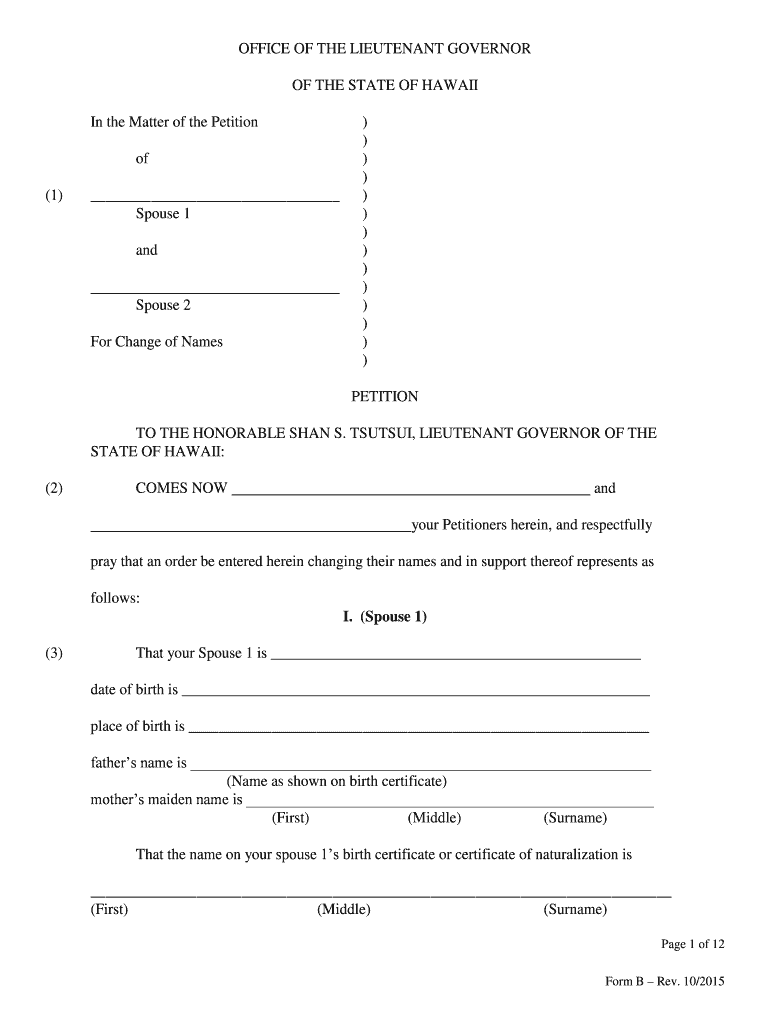
- Petition: A formal written request to the court for a name change.
- Decree: A legal order by the court authorizing the name change.
- Affidavit: A sworn statement filed with the court supporting the name change.
- Public Notice: A requirement in some states to announce the intended name change in a local publication.
State-Specific Rules for Name Changing
Each state in the U.S. has unique protocols and timelines for granting name change requests. For instance, California requires background checks, while New York mandates publication in a newspaper. It is essential to consult local court rules and guidelines to ensure compliance with state-specific legislation.
Application Process and Approval Time
The time frame for processing a name change can vary widely. Generally, it may take anywhere from a few weeks to several months. Factors influencing this timeline include court schedules, mandatory publication periods, and backlog of pending applications. Ensuring all documentation is complete and accurate can expedite approval.
By understanding the intricacies of the "How to Legally Change Your Name - FindLaw" form, individuals can more smoothly navigate the process required to legally alter their name and ensure that it aligns with personal, legal, and business needs.