01. Edit your post conviction motion letter sample online
Type text, add images, blackout confidential details, add comments, highlights and more.

Type text, add images, blackout confidential details, add comments, highlights and more.

Draw your signature, type it, upload its image, or use your mobile device as a signature pad.

Send it via email, link, or fax. You can also download it, export it or print it out.
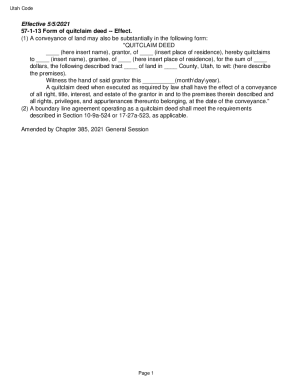
A post-conviction motion letter is a legal document used by individuals seeking to challenge or modify the outcome of their criminal case after a conviction has already been rendered. This motion can address errors that occurred during the trial, new evidence that has surfaced, or any other grounds that may justify altering the conviction or sentence. By filing this motion, the convicted individual can ask the court to review the case for potential mistakes that might have impacted the verdict or sentence.
The post-conviction motion serves as an essential tool in the legal process, enabling individuals to ensure that justice is properly served. These documents can prompt a new trial, the dismissal of charges, or a revision of the sentence, depending on the circumstances and the strength of the arguments presented in the motion.
Using a sample for a post-conviction motion letter can guide the drafting of this critical document. To use the sample effectively:
Review and Understand: Begin by thoroughly reviewing the sample to understand its structure and components. Pay attention to how legal arguments are presented and the tone used throughout the letter.
Customize the Content: Tailor the sample content to align with the specifics of your case. This includes adapting the factual background, legal arguments, and conclusion to reflect your unique circumstances. Ensure that all details pertinent to your situation are accurately reflected in the customized letter.
Legal References: Incorporate relevant laws and precedents that support your case. While the sample may provide a generic framework, it is crucial to include state-specific statutes or past rulings that bolster your arguments.
Consult Legal Counsel: Before finalizing your motion, consider having it reviewed by a legal professional. Legal counsel can provide valuable insights into any weaknesses in your arguments and suggest improvements based on their expertise.
Proofread and Edit: Ensure that the letter is free from grammatical errors and is coherently organized. A well-structured and polished document conveys professionalism and seriousness to the court.
Completing a post-conviction motion letter involves several steps, each crucial to building a compelling case for review:
Outline Your Legal Arguments:
Gather Supporting Evidence:
Draft the Motion Letter:
Incorporate State-Specific Legal Standards:
Review and Finalize:
The effectiveness of a post-conviction motion letter hinges on several key elements, which should be meticulously crafted:
Introduction: Briefly introduce the purpose of the motion, identifying the case number, court, and involved parties.
Factual Background: Provide a succinct overview of the case, outlining events leading to the conviction. Highlight any developments relevant to the motion.
Statement of Grounds: Clearly state the legal grounds for the motion, supported by facts and evidence.
Legal Arguments: Craft a detailed argument section; discuss how the identified grounds justify relief under applicable laws.
Relief Sought: Specify the relief requested, such as a new trial, sentence reduction, or reversal of conviction.
Conclusion: Sum up the key points and reaffirm the necessity of reviewing the case.
A post-conviction motion letter is used legally to petition the court for a reconsideration of a case outcome under certain circumstances. Common legal uses include:
Trial Errors: Arguing that procedural or substantive errors occurred, impacting the trial's fairness.
New Evidence: Present new, material evidence that could likely alter the outcome if a retrial takes place.
Ineffective Counsel: Claim that inadequate legal representation prejudiced the case's result.
Legal Misinterpretation: Address instances where the law was incorrectly applied or interpreted.
Before submission, it's crucial for the motion to comply with jurisdictional requirements, both procedurally and substantively, to ensure it is valid for court consideration.
State-specific rules and requirements can significantly affect the drafting and submission of a post-conviction motion:
Filing Deadlines: Each state has specific deadlines for filing post-conviction motions, often dependent on the date of conviction or the discovery of new evidence.
Motion Format: Adhere to state-specific formatting rules, which may dictate document styling, required sections, and service procedures.
Submission Protocols: States may vary in their acceptance of electronic versus paper submissions; it is essential to follow these protocols closely.
Relief Types Available: Understand the types of relief available under state law, as these can differ widely and impact the motion's focus.
Being aware of and compliant with these rules enhances the likelihood that the motion will be accepted and properly reviewed by the court.
The post-conviction motion letter sample is a tool commonly utilized by:
Defense Attorneys: Legal representatives drafting motions on behalf of their clients, seeking to overturn convictions or reduce sentences.
Legal Aid Organizations: Groups assisting individuals without sufficient resources for private legal counsel, providing templates and guidance for those representing themselves.
Pro Se Litigants: Individuals representing themselves in court, who rely on samples to guide the structuring and content of their legal documents.
Legal Researchers and Students: Academic professionals analyzing case outcomes and legal precedents, using samples for educational purposes and training.
Each user aims to ensure that the document is legally sound and convincingly articulates the grounds for post-conviction relief.


We've got more versions of the post conviction motion letter sample form. Select the right post conviction motion letter sample version from the list and start editing it straight away!
| Versions | Form popularity | Fillable & printable |
|---|---|---|
| 2010 | 4.8 Satisfied (232 Votes) |
At DocHub, your data security is our priority. We follow HIPAA, SOC2, GDPR, and other standards, so you can work on your documents with confidence.