01. Edit your mv27a online
Type text, add images, blackout confidential details, add comments, highlights and more.

Type text, add images, blackout confidential details, add comments, highlights and more.

Draw your signature, type it, upload its image, or use your mobile device as a signature pad.

Send mv 27 via email, link, or fax. You can also download it, export it or print it out.
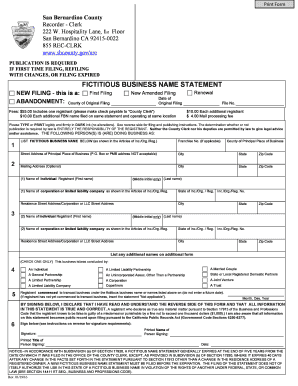
The mv27b is a form used by Pennsylvania vehicle dealers to report the acquisition of vehicles for resale obtained from other dealers or manufacturers. This document is crucial for regulatory compliance, serving to track and document vehicle transfers within the state. Each section of the mv27b captures specific details about the acquisition, emphasizing transparency and accountability in business transactions. The form aids in maintaining accurate records, which is indispensable for both dealers and the Pennsylvania Department of Transportation in managing vehicle inventory.
Dealer Information: Begin by filling in the acquiring dealer’s information, including the dealership's name, address, and contact details. Ensure this information is accurate, as it is vital for identification and communication purposes.
Vehicle Details: Enter the specific details of each vehicle acquired. This includes the vehicle identification number (VIN), make, model, and year. Proper documentation of these details is essential for inventory tracking and future auditing processes.
Acquisition Particulars: Detail the acquisition date and the source of the vehicle, noting whether it was obtained from another dealer or a manufacturer. This section may also require the submission of the purchase agreement or invoice as supporting documentation.
Title Information: Furnish the vehicle title number for each acquired vehicle. This ensures the legal readiness of the vehicle for resale and assists in verifying that the title is clear of liens.
Odometer Reading: Record the odometer reading at the time of acquisition. This step is crucial for tracking the vehicle's usage and any potential discrepancies in mileage.
Dealers can acquire the mv27b form through the Pennsylvania Department of Transportation’s website or by visiting a local PennDOT office. It is recommended to use the most current version to ensure compliance with any recent changes in regulations. Availability online allows for the convenience of downloading and printing the document for immediate use. PennDOT provides detailed instructions and guidance for completing and submitting the form.
Pennsylvania requires this form to be submitted weekly to keep records up-to-date and avoid penalties. The regulations emphasize timely and accurate reporting, with the dealer needing to keep a duplicate of the form for at least one year. Compliance with state-specific rules is critical to avoid legal issues and maintain smooth operation within the regulatory framework.
Primarily, this form is utilized by Pennsylvania vehicle dealers engaged in the acquisition of vehicles intended for resale. It plays a central role for new and used car dealerships, providing a structured method for documenting vehicle transactions. The mv27b ensures that dealers maintain legal compliance and adhere to state-imposed regulations.


The mv27b serves as a legal document that must be completed accurately and submitted in a timely manner. Any omission or falsification of information can lead to legal repercussions for the dealer. The form supports regulatory efforts to oversee vehicle movements within Pennsylvania, ensuring that all transactions are transparent and legitimate. Compliance protects dealers from fines and legal scrutiny, fortifying their operational integrity.
Failure to submit the mv27b on time or accurately can result in penalties imposed by the Pennsylvania Department of Transportation. These penalties might include fines, suspension of dealership licenses, or increased scrutiny on future transactions. Maintaining stringent compliance with submission guidelines is essential for dealers to avoid such repercussions and preserve their business reputation.
We've got more versions of the mv27a form. Select the right mv27a version from the list and start editing it straight away!
At DocHub, your data security is our priority. We follow HIPAA, SOC2, GDPR, and other standards, so you can work on your documents with confidence.