Definition and Purpose of Reporting Communicable Diseases in Travis County, Texas
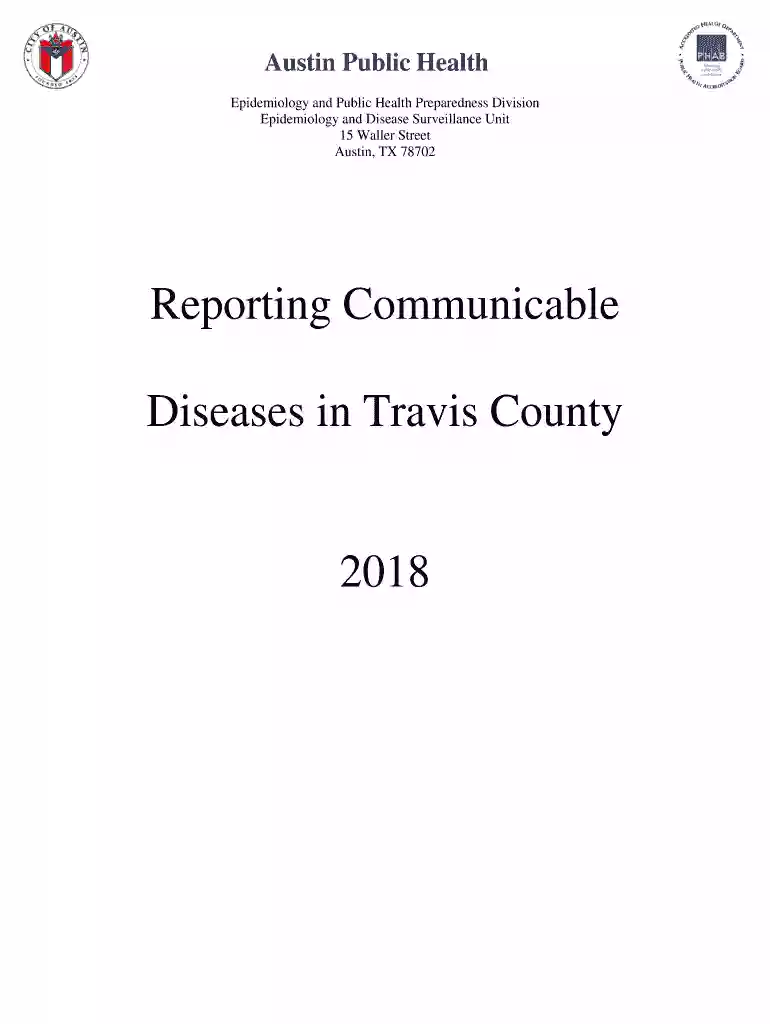
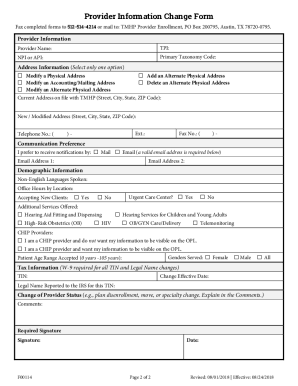
The Reporting Communicable Diseases form in Travis County, Texas, is an essential document used by healthcare providers to notify Austin Public Health about certain communicable diseases. This form ensures timely reporting and allows public health officials to take necessary measures to prevent the spread of these diseases within the community. Key diseases like HIV/AIDS, sexually transmitted diseases (STDs), and chickenpox, among others, are included in this notification process.
- Public Health Safety: Timely reporting is crucial for public safety, allowing health officials to track outbreaks and implement control measures quickly.
- Legal Compliance: Healthcare professionals are mandated by law to report specific notifiable conditions, ensuring adherence to public health regulations.
- Community Awareness: Helps maintain transparency and informed public awareness regarding potential health threats in the region.
Steps to Complete the Reporting Communicable Diseases Form
Accurate completion of the Reporting Communicable Diseases form is vital for effective public health intervention. Below are detailed steps required to fill out the form:
- Identify Notifiable Diseases: Start by confirming whether the disease diagnosed in the patient is on the list of reportable conditions in Texas.
- Gather Patient Information: Collect all necessary patient details, including name, age, gender, address, and contact information.
- Detail Symptoms and Diagnosis: Provide comprehensive data on the patient's symptoms, lab findings, and the specific diagnosis.
- Healthcare Provider Details: Fill in the required information about the reporting healthcare provider, including contact details and facility information.
- Submission Timeline: Adhere to the specified timeframe for reporting. Immediate reporting may be required for certain diseases.
Additional Considerations:
- Confidentiality Assurance: Ensure patient information is handled with confidentiality, complying with privacy regulations.
- Supplementary Documentation: Attach any relevant lab reports or medical documents that corroborate the diagnosis and support the form submission.
Why Reporting Communicable Diseases is Essential
Reporting communicable diseases is not only a legal responsibility but a crucial component of public health management. Here's why it's important:
- Controlling Disease Spread: Immediate reporting helps in implementing quarantine or isolation measures swiftly to contain outbreaks.
- Resource Allocation: Enables public health authorities to allocate resources effectively, focusing on areas with emerging health threats.
- Data Collection: Collects epidemiological data that aids in disease trend analysis and future healthcare planning.
Legal Use and Requirements
Legal requirements mandate healthcare providers in Travis County to report specific communicable diseases. Non-compliance can result in penalties and compromise public health safety. The legal framework supports:
- Mandatory Reporting: Legal statutes require reporting of notifiable diseases to ensure prompt public health actions.
- Protection of Public: By law, safeguarding public health is a priority, making compliance with reporting mandates critical.
- Accuracy in Reporting: Legal repercussions for providing false or incomplete information, emphasizing the importance of accuracy.
Key Elements in the Form
Understanding the primary components of the Reporting Communicable Diseases form is crucial for its effective use:
- Patient Details: Essential for identifying and monitoring the individual case.
- Disease Information: Specifies the disease or condition being reported.
- Dates of Diagnosis: Crucial for tracking the onset and progression of diseases.
- Reporting Facility Information: Contacts for the facility or professional making the report.
Important Terms and Definitions
Familiarity with important terms associated with the reporting process is beneficial for proper form completion:
- Notifiable Conditions: Disease conditions that must be reported to health authorities by law.
- Quarantine: Isolation of individuals to prevent disease spread.
- Epidemiological Surveillance: Continuous monitoring of disease spread within a community.
Form Submission Methods
There are several avenues available for submitting the Reporting Communicable Diseases form in Travis County:
- Online Submissions: Utilize electronic systems for swift and efficient form submission.
- Mail Submissions: Traditional paper submissions via mail to designated public health offices.
- In-Person: Direct submission at public health department offices, ensuring receipt confirmation.
Penalties for Non-Compliance
Failing to comply with the mandatory reporting requirements of communicable diseases can lead to significant repercussions:
- Financial Penalties: Fines and sanctions imposed on healthcare providers for failing to report in a timely manner.
- Licensing Consequences: Potential disciplinary actions affecting the professional license of healthcare providers.
- Public Health Risks: Non-compliance may lead to uncontrolled outbreaks and public health crises.
Who Uses the Reporting Communicable Diseases Form
Various stakeholders are involved in the reporting process of communicable diseases in Travis County:
- Healthcare Providers: Primary users responsible for diagnosing and reporting diseases.
- Public Health Officials: Recipients of the reports who act upon the information to manage public health.
- Medical Facilities: Hospitals and clinics must ensure compliance with reporting obligations.
Through detailed understanding and compliance with these elements, healthcare professionals can contribute significantly to the prevention and control of communicable diseases in Travis County, ensuring public health is prioritized and safeguarded.