01. Edit your form online
Type text, add images, blackout confidential details, add comments, highlights and more.

Type text, add images, blackout confidential details, add comments, highlights and more.

Draw your signature, type it, upload its image, or use your mobile device as a signature pad.

Send it via email, link, or fax. You can also download it, export it or print it out.
Changing your name back to your maiden name is a legal process allowing individuals, typically women, to revert to their original surname after taking on a new one due to marriage. This change is significant and involves updating numerous personal records, such as identification documents, financial accounts, and legal contracts.
Understanding the exact steps, legal considerations, and the impact on personal and financial records is vital for anyone undergoing this process.
Eligibility criteria for changing your name back to your maiden name vary depending on individual circumstances and state laws. Generally, you may be eligible if:
It's crucial to verify state-specific requirements as they can influence the eligibility and procedural steps involved.


Throughout this process, ensure that each step aligns with state laws to avoid any legal issues.
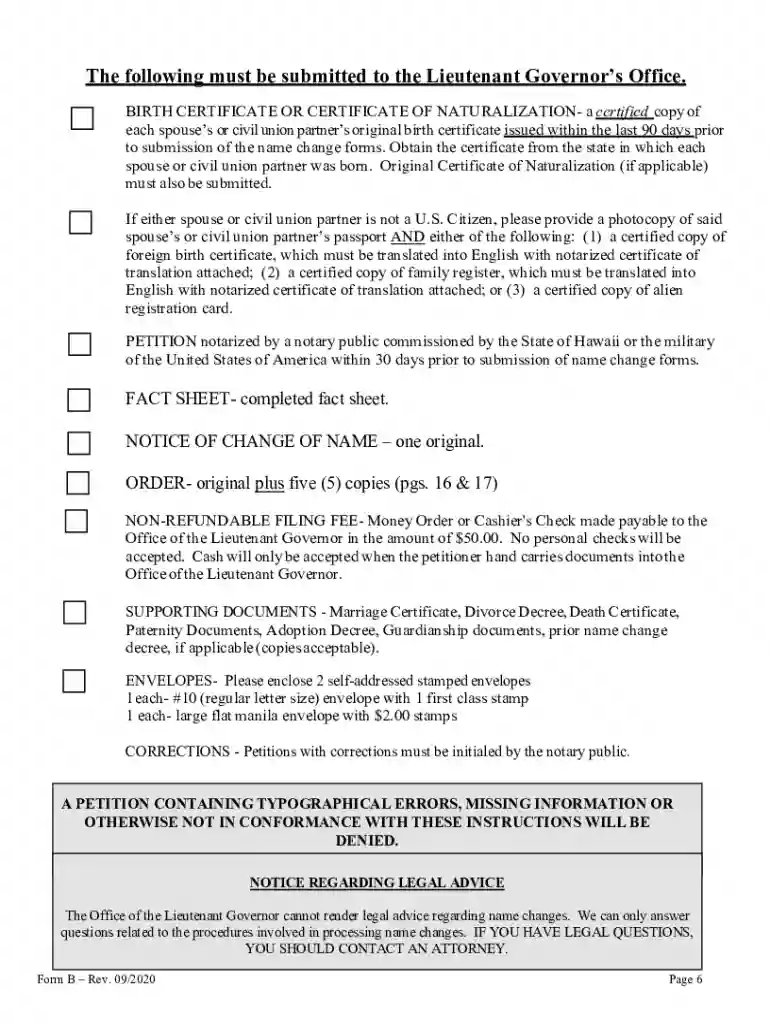
To revert to your maiden name, it's imperative to have a set of key documents ready:
Additional documents may be needed depending on state laws and individual circumstances, so confirm the requirements in your specific location.
State-specific laws can heavily influence the name change process:
Always consult local guidelines or a legal advisor to navigate these regulations effectively.
Reverting to your maiden name carries several legal implications:
The legal nuances depend significantly on jurisdiction, emphasizing the need for comprehensive research or professional consultation.
Submitting your name change request can often be done through different methods:
Each method may have specific benefits and limitations, depending on personal preference and state-provided services.
Familiarity with key terms aids clear understanding:
Understanding these terms ensures better navigation through legal documentation and processes.
We've got more versions of the How to Change Your Name Back to Your Maiden Name form. Select the right How to Change Your Name Back to Your Maiden Name version from the list and start editing it straight away!
At DocHub, your data security is our priority. We follow HIPAA, SOC2, GDPR, and other standards, so you can work on your documents with confidence.