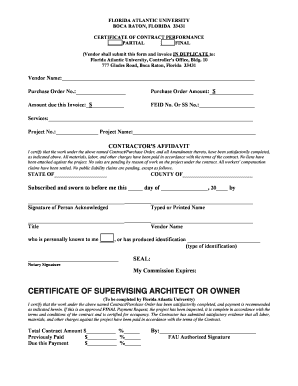
Oregon statement of error form - - thursday 2026

Get Form
oregon statement of error form - - thursday Preview on Page 1

Here's how it works

01. Edit your form online
Type text, add images, blackout confidential details, add comments, highlights and more.

02. Sign it in a few clicks
Draw your signature, type it, upload its image, or use your mobile device as a signature pad.

03. Share your form with others
Send it via email, link, or fax. You can also download it, export it or print it out.

Definition and Purpose of the Oregon Statement of Error Form

The Oregon Statement of Error Form is used to correct inaccuracies reported in official documents or transactions within the state of Oregon. This form is essential for rectifying errors that may have occurred in legal, financial, or personal records, ensuring that all information remains accurate and legally binding. The form is critical in maintaining the integrity of records and is often used in contexts such as voter registration, property deeds, or official state filings.

How to Use the Oregon Statement of Error Form

To effectively use the Oregon Statement of Error Form, follow these steps:

  1. Identify the Error: Determine the specific error you need to correct. This could be a typographical mistake, incorrect name spelling, or an error in numerical data.
  2. Obtain the Form: Access the form through the Oregon state website or request it from the relevant state department associated with the error.
  3. Complete the Form: Fill in all required fields, detailing the original information, the error, and the correction needed. Be clear and concise in describing the issue.
  4. Include Supporting Documentation: Attach any documents that support your claim. This may include identification, previous versions of the document, or legal paperwork pertaining to the correction.
  5. Submit the Form: Send the completed form and attachments to the appropriate state office, following any specific submission instructions provided on or with the form.

Steps to Complete the Oregon Statement of Error Form

Completing the form involves:

  • Personal Information Section: Provide your full name, contact information, and any identifiers relevant to the document in question, such as a voter ID or property number.
  • Description of Error: Clearly describe the nature of the error and how it occurred. Include both the incorrect and correct versions of the information.
  • Justification for Correction: Offer an explanation or evidence supporting the need for the change. This could involve references to official documents or correspondence.
  • Declaration Statement: Sign a declaration certifying that the information you provide is accurate to the best of your knowledge. This section may require notarization or a witness signature.

Obtaining the Oregon Statement of Error Form

The form can typically be obtained:

  • Online: Download it from the official Oregon state website, which may have a dedicated forms or corrections page.
  • In Person: Visit the relevant government office, such as the local county clerk or the Secretary of State’s office.
  • Mail Request: For those without internet access, request a physical copy via mail through a written application to the relevant department.

Legal Use and Consequences

The legal use of the Oregon Statement of Error Form involves ensuring all submitted data reflects true and accurate information. Misuse or fraudulent declarations can lead to penalties under state law, including fines or criminal charges. Proper use maintains legal compliance and protects against disputes or legal issues.

Key Elements of the Form

Crucial elements include:

  • Applicant Information: Name, contact details, and reference numbers.
  • Error Details: Location and context of the error, along with correction information.
  • Supporting Documentation: Evidence required to verify the correction.
  • Certification Statement: Legal affirmation of the form's validity and truthfulness.

State-Specific Rules and Compliance

Oregon has specific rules for form submission:

  • Signatures: May require notarization depending on the nature of the error.
  • Deadlines: Some documents have a timeframe within which corrections must be made.
  • Fees: There could be filing fees, especially for corrections involving public records.

Examples of Using the Form

Practical examples include:

  • Voter Registration: Correcting a mistyped address or name.
  • Property Records: Rectifying errors in deed descriptions.
  • Legal Filings: Addressing misreported financial transactions.

Important Terms and Definitions

Familiarity with terms like "error affidavit," "certification of correction," and "supporting affidavit" can be helpful in accurately completing and understanding the form’s requirements.

Considerations for Businesses

Businesses might use this form to correct filing errors related to licensing, taxation, or corporate records. Accurate completion prevents operational interruptions or legal disputes.

By meticulously completing and submitting the Oregon Statement of Error Form, individuals and businesses can ensure their records accurately reflect their legal and personal information, thereby preventing complications or disputes.

be ready to get more

Complete this form in 5 minutes or less

Get form

Got questions?

We have answers to the most popular questions from our customers. If you can't find an answer to your question, please contact us.
Contact us
The Oregon DMV 735 502 form is officially recognized as the Statement of Error or Erasure of a Name by the Department of Transportation Driver and Motor Vehicle Services. Its primary use is to correct any mistakes or erasures in a name when applying for a vehicle title, ensuring the accuracy of ownership records.
Online renewal If you have a residence address in Oregon, you can renew vehicle registration online through DMV2U even if your mailing address is out of state. However, if your residence address is not in Oregon, you cannot renew through DMV2U. You can use any other option for renewal.
Form OR-19-AF is for nonresident owners who dont elect to join in a composite filing, are not exempt from withholding, and dont want the PTE to withhold tax on their behalf. Distributive income is generally the net taxable income or loss of a PTE.
Otherwise, bills of sale include some or all of the following: Date of purchase. Buyer and sellers contact information. Purchase price. Description of the sold item. Guarantee that the asset is cleared of any liens or claims. Ongoing terms, such as warranties. Signatures of buyer and seller. Signature of a notary public.
(m) Release or release of interest means the act of a lien holder, owner, or security interest holder transferring an interest in a vehicle by signing the release section on an Oregon title, a secure odometer form, a bill of sale, or other document showing the transfer of the interest.

Security and compliance

At DocHub, your data security is our priority. We follow HIPAA, SOC2, GDPR, and other standards, so you can work on your documents with confidence.
Learn more
ccpa2
pci-dss
gdpr-compliance
hipaa
soc-compliance

People also ask

DMV Non-Op (PNO) An individual will not use that vehicle. They should apply for the PNO online and pay the filing fee of $20. After ninety days, a late fee will be set in stone. The individual cant operate the vehicle under PNO. You will have to sign a REG 102 to state that you will not be moving the vehicle.
The moratorium under HB 2137 providing a six-month grace period for expired driving privileges ended on Dec. 31, 2021.

Related links