01. Edit your massachusetts court financial statement form schedule a online
Type text, add images, blackout confidential details, add comments, highlights and more.

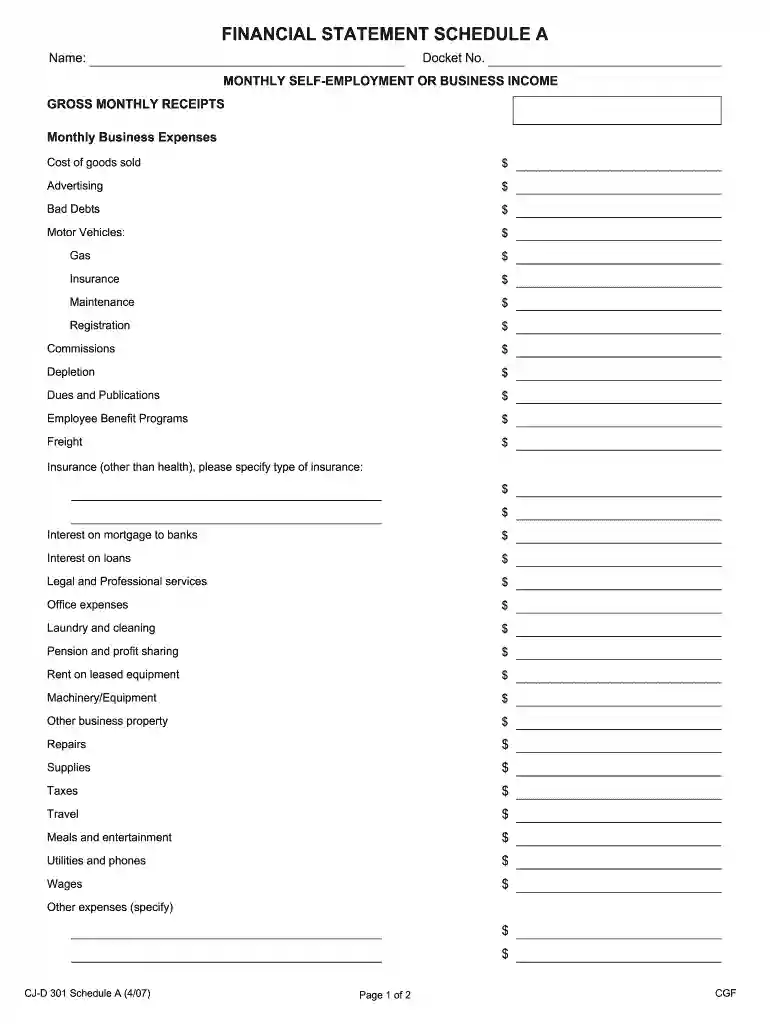
Type text, add images, blackout confidential details, add comments, highlights and more.

Draw your signature, type it, upload its image, or use your mobile device as a signature pad.

Send schedule a massachusetts via email, link, or fax. You can also download it, export it or print it out.
A financial statement is a formal record of the financial activities and position of a business, person, or other entity. Scheduling a financial statement involves organizing and timing the process of creating these documents, which may include balance sheets, income statements, and cash flow statements. These schedules help track financial performance over specified periods, such as monthly, quarterly, or annually, to ensure transparency and accountability in financial reporting.
Scheduling financial statements is crucial for maintaining the financial health of an organization. By consistently reviewing financial data, businesses can identify trends, make informed decisions, and ensure compliance with regulatory requirements. Regular schedules also aid in planning and forecasting by providing insights into revenue and expense patterns.
Financial statement schedules serve as a roadmap for organizing financial data. To use this form efficiently, businesses must:
This methodical approach ensures that all financial activities are accounted for and that stakeholders have access to relevant financial insights.
Proper completion is vital for data integrity and effective financial management.
The schedule of a financial statement typically includes the following elements:
These components collectively provide a comprehensive view of the entity's financial status.
Businesses of all sizes benefit from scheduled financial statements. For example, a small retail business may use them to track monthly sales versus expenses. A larger corporation might schedule quarterly statements to inform shareholder reports and strategic decisions. In both cases, the regular review periods help align financial activities with business goals.
Typically, business owners, accountants, financial analysts, and auditors are the primary users. Business owners use these schedules to monitor operations, while accountants and analysts rely on them for preparing tax reports and advising on financial strategies. Auditors use them to verify the accuracy and completeness of financial data.


Different states may have specific regulatory requirements for financial reporting. For instance, certain states may require additional disclosures for businesses in particular sectors or have unique tax codes that necessitate specialized reporting. It is essential for businesses to understand these variations to ensure compliance with local laws and regulations.
The IRS outlines specific guidelines for how financial statements should be prepared for tax purposes. These guidelines dictate proper income reporting and allowable deductions and require adherence to accounting principles. Scheduling financial statements according to IRS rules helps businesses avoid non-compliance penalties and ensures accurate tax reporting.
Scheduled financial statements must adhere to critical deadlines to remain compliant. Monthly statements might be due at the month's close, while quarterly ones could align with taxation quarters. Awareness of these deadlines ensures timely submission and prevents potential legal or financial repercussions.
To prepare a financial statement schedule, businesses need:
Having these documents ready in advance streamlines the preparation process and minimizes errors.
Failure to comply with scheduled financial reporting can lead to penalties, including fines and legal repercussions. Non-compliance can also damage a business's credibility and lead to lost opportunities, highlighting the importance of adhering to required reporting standards and deadlines.
We've got more versions of the massachusetts court financial statement form schedule a form. Select the right massachusetts court financial statement form schedule a version from the list and start editing it straight away!
| Versions | Form popularity | Fillable & printable |
|---|---|---|
| 2007 | 4.8 Satisfied (266 Votes) |
At DocHub, your data security is our priority. We follow HIPAA, SOC2, GDPR, and other standards, so you can work on your documents with confidence.