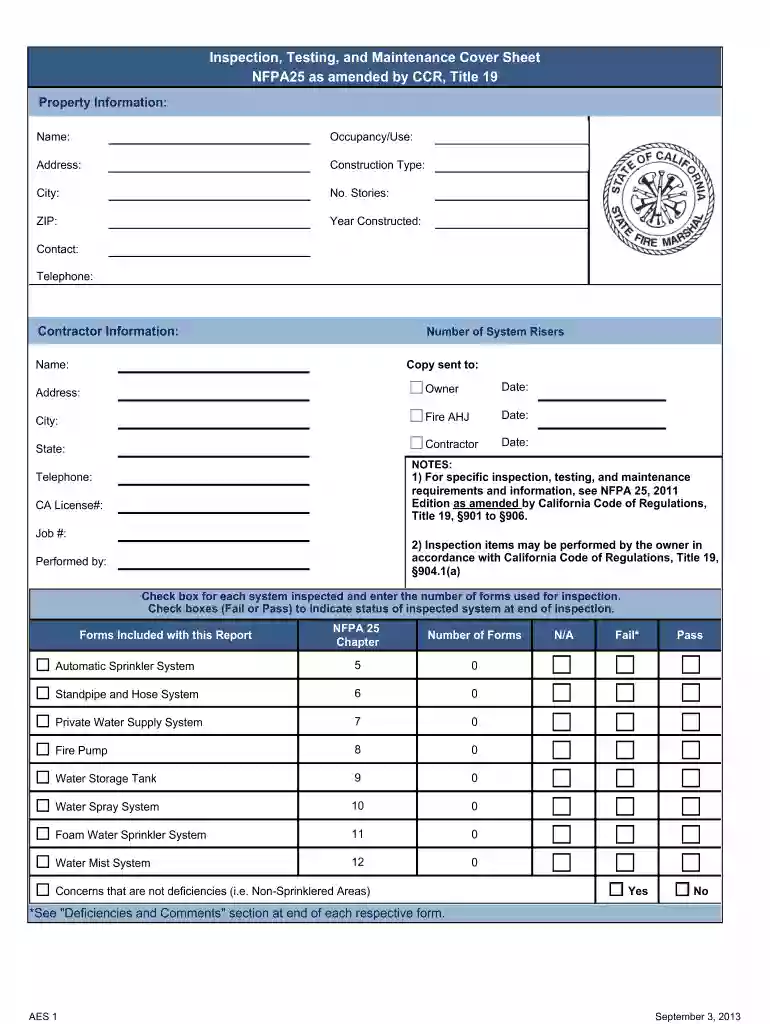
Definition and Meaning of AES 1
The Automated Export System (AES) Direct filing or Form AES 1 is essential for U.S. exporters who report electronic export information to comply with U.S. regulations. It plays a critical role in tracking exports, maintaining data accuracy for the U.S. Census Bureau, and ensuring compliance with export regulations. This system is pivotal for maintaining accurate trade statistics and enabling security agencies to monitor and regulate shipments effectively.
Importance of AES 1 Reporting
- Data Collection: AES 1 allows the government to collect export data for statistical purposes, supporting economic analysis and trade policy development.
- Compliance: Ensures that all exports comply with U.S. laws, preventing illegal exports and safeguarding national security.
- Efficiency: Streamlines the export process by reducing paperwork and allowing for electronic filing, making it easier for businesses to comply with requirements.
Real-World Examples
Exporters shipping goods valued over $2,500 or requiring an export license must file AES 1. For instance, a U.S.-based aircraft part manufacturer exporting components internationally needs to file such documents for customs clearance and compliance.
Steps to Use the AES 1
Filing AES 1 involves several key steps to ensure proper submission and compliance:
- Register with AES: Exporters must register their Business Identification Number (EIN) with the Automated Commercial Environment (ACE).
- Access AES Direct: Log into the AESDirect portal within the ACE to access the filing system.
- Collect Necessary Information: Gather detailed shipment information, including the commercial invoice, packing list, export licenses, and consignee details.
- Complete the Form: Enter shipment data such as the port of export, quantity and weight of goods, value, and Harmonized System (HS) codes into the AESDirect system.
- Submit for Review: Once all information is entered, submit the filing. The system checks for errors and inconsistencies.
- Receive ITN: After successful submission, an Internal Transaction Number (ITN) is generated, serving as proof of filing.
Common Challenges and Solutions
- Data Entry Errors: Double-check info prior to submission to avoid delays caused by incorrect data.
- IT System Compatibility: Ensure your systems are compatible with AESDirect for seamless integration.
Why Should You Use AES 1
Using AES 1 is mandatory for compliance and offers several benefits:
- Legal Compliance: Avoid fines or legal actions for non-compliance.
- Improved Efficiency: Streamline your documentation process, saving time and resources.
- Enhanced Accuracy: Ensure accurate reporting for export statistics.
Important Terms Related to AES 1
Understanding key terminologies is crucial for proper AES 1 utilization:
- EIN (Employer Identification Number): A unique number used to identify a business entity in U.S. export filings.
- HS Code (Harmonized System Code): Standardized numerical method of classifying traded products.
- ITN (Internal Transaction Number): A confirmation number indicating AES filing completion.
Legal Use of AES 1
Legal requirements mandate the use of AES 1 for certain exports to ensure compliance and protect national security:
- Regulations: Governed by U.S. Customs and Border Protection (CBP) and BIS (Bureau of Industry and Security) regulations.
- Licenses: Certain goods require export licenses, which can be managed via AES filing for legal compliance.
- Penalties: Failing to file AES 1 can result in significant penalties, including fines and shipment seizure.
Examples of Using AES 1
AES 1 is used across various industries and scenarios:
- Manufacturing Companies: Large volumes of goods for international markets require systematic export management via AES 1.
- Agricultural Exports: Ensure compliance with trade agreements and tariffs by correctly classifying shipments using HS codes in AES 1.
- Tech and Electronics: Critical for items with sensitive technology requiring stringent export controls.
Required Documents for AES 1 Filing
Several documents are necessary for completing an AES 1 filing:
- Commercial Invoice: Details the transaction between the exporter and importer.
- Packing List: Itemizes the contents of the shipment.
- Export License (if applicable): Required for controlled goods or technologies.
- Power of Attorney: Needed if using a third-party to file AES 1 on behalf of the exporter.
Document Handling Tips
- Verification: Ensure all documents align with export data entered in AES 1.
- Secure Storage: Maintain digital backups for record-keeping and audit trails.
Who Issues the AES 1 and Filing Deadlines
AES 1 is facilitated through the U.S. Customs and Border Protection (CBP) and the Census Bureau. Filing deadlines and timelines are critical for compliance:
- Timeline: Must be filed electronically before the goods reach the port of export.
- Timing Recommendations: Best practices suggest filing at least 24 to 72 hours before departure to accommodate any discrepancies or corrections.
Penalties for Late Filing
Late or inaccurate filings can lead to penalties, delays, and potential impacts on future shipments. Adhering to deadlines ensures seamless export operations.
Step-by-Step Filing Tips
- Begin with early preparation and ensure all documents are in order well in advance of the shipment date.
- Regularly update system software to avoid any compatibility issues with AESDirect.