01. Edit your form online
Type text, add images, blackout confidential details, add comments, highlights and more.

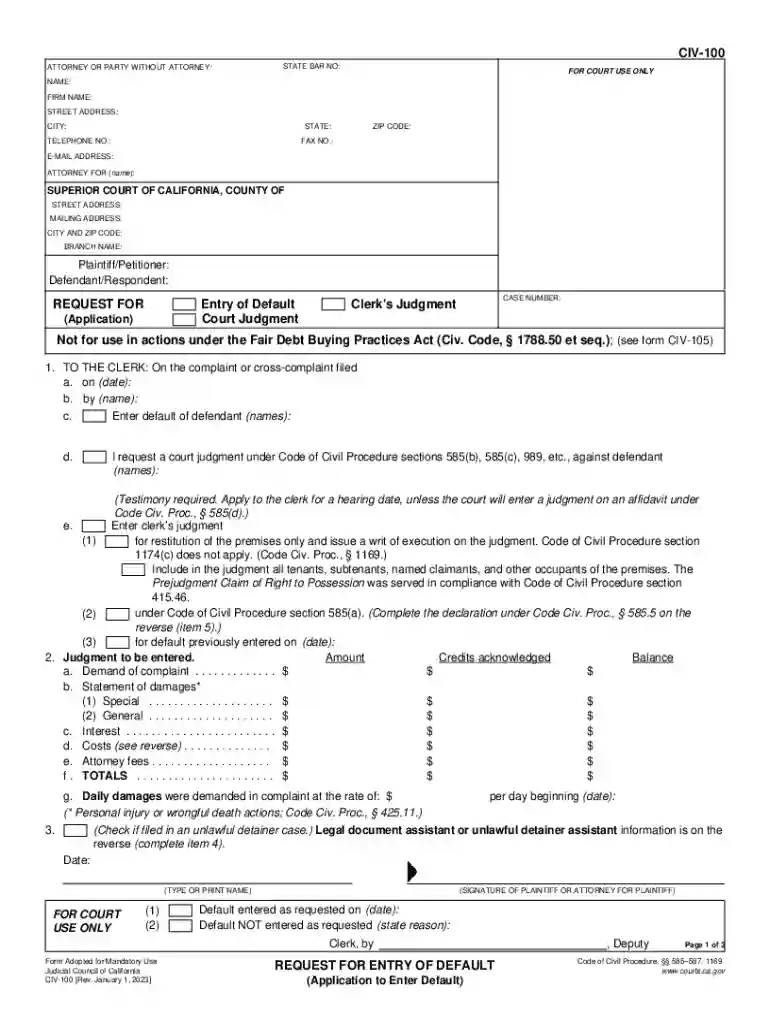
Type text, add images, blackout confidential details, add comments, highlights and more.

Draw your signature, type it, upload its image, or use your mobile device as a signature pad.

Send it via email, link, or fax. You can also download it, export it or print it out.
Unlawful detainer refers to a legal action initiated by a landlord to regain possession of a property from a tenant who remains after the termination of the lease. This process, commonly known as eviction, is crucial in ensuring landlords can reclaim their property rights when tenants violate lease terms or refuse to vacate after proper notice. In legal terms, an unlawful detainer is the official court method to address such disputes. It involves filling out specific forms, such as the Form Packets for Unlawful Detainer, which allows landlords to formally request court intervention.
To initiate an eviction, landlords must properly use the Form Packets for Unlawful Detainer. These forms typically include detailed sections requiring accurate input about the tenant, property, violation reason, and eviction notice details. Successfully completing the form involves:
Completing the Form Packets for Unlawful Detainer requires attention to detail and adherence to proper legal procedures:
The Form Packets for Unlawful Detainer are legally utilized to enforce a landlord's right to reclaim a rental unit when a tenant fails to honor lease agreements. This form serves the critical function of formally notifying the court and tenant of the landlord's intention and the specific eviction rationale. It ensures all actions conform to legal standards, helping to prevent unlawful evictions and protect tenant rights during the process.
The form contains several critical components that landlords must fill out accurately:
Eviction forms and procedures often vary by state, affecting how these forms should be completed and filed:
Understanding how local regulations impact the unlawful detainer process helps ensure compliance and increase the likelihood of a successful eviction.
Several key terms are vital when dealing with eviction cases:
Familiarity with these terms aids in understanding and navigating the eviction process more effectively.
Consider scenarios where landlords have successfully used the form:
Each example highlights the importance of using the correct forms and procedures to achieve a lawful resolution.
We've got more versions of the Form PacketsUnlawful Detainer (Evictions) form. Select the right Form PacketsUnlawful Detainer (Evictions) version from the list and start editing it straight away!
At DocHub, your data security is our priority. We follow HIPAA, SOC2, GDPR, and other standards, so you can work on your documents with confidence.