






Definition & Meaning
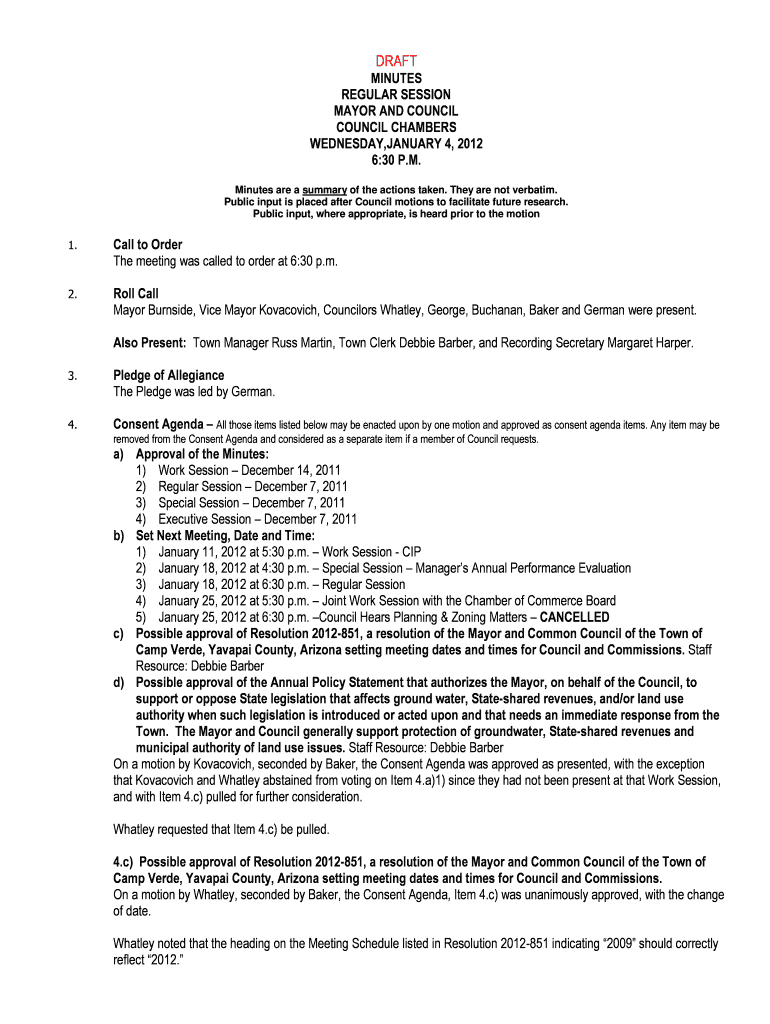
Public input prior to the motion refers to a procedural step where feedback and opinions from the general public or stakeholders are solicited before a formal decision or action is taken by a governing body, such as a city council or board of directors. This practice is designed to ensure that the perspectives of those who may be affected by potential decisions are considered, promoting transparency and inclusiveness in the decision-making process. This step can occur during meetings, hearings, or through submitted comments and is a critical component of democratic governance.
How to Use Public Input Prior to the Motion
Engaging with public input is a structured process that involves several key steps to ensure that all voices are heard appropriately. Here’s how to effectively incorporate public input:
-
Announce the Opportunity: Clearly communicate to the public when and how they can provide their input. This may be done through public notices, online postings, or announcements during meetings.
-
Gather Feedback: Collect opinions and comments through various channels such as public meetings, online platforms, or written submissions.
-
Review and Analyze: Carefully assess the feedback received to identify common themes, concerns, and suggestions that may influence the pending motion.
-
Document and Share: Ensure that the input is documented transparently, often by summarizing key points and making them accessible to all stakeholders.
-
Consider Input Before Decision: Factor in the public's recommendations and concerns when finalizing the motion to align policies with the community’s needs.
Why Public Input is Essential
Engaging the public prior to decision-making holds several advantages:
- Enhances Transparency: It fosters trust in governance by making the decision-making process visible and understandable to all stakeholders.
- Improves Decision Quality: Diverse insights contribute to more informed and balanced decisions, reducing the risk of oversight.
- Increases Public Trust: When people feel heard, they are more likely to trust and support the outcomes, even if they disagree with the final decision.
- Encourages Community Engagement: It motivates citizens to take an active role in their communities, strengthening civic responsibility and involvement.
Steps to Complete the Public Input Process
Ensuring thorough public input requires a series of steps designed to optimize participation and analysis:
- Identify Stakeholders: Determine who the decision will impact and ensure these groups are invited to participate.
- Choose Appropriate Methods: Depending on the scope, use online surveys, town hall meetings, or focus groups to gather input.
- Set Clear Deadlines: Provide a specific time frame for input submission to manage the process effectively and move forward efficiently.
- Facilitate a Neutral Environment: Encourage open dialogue by ensuring that participants feel their inputs will be respected and valued.
- Summarize Input Received: Organize the feedback into themes or categories to present a coherent overview to the decision-makers.
- Incorporate Feedback: Review how the gathered input could positively influence the proposed motion and integrate as needed.
Legal Use and Implications
In many jurisdictions, incorporating public input before moving a motion is not just best practice but a legal requirement. It aligns with local, state, or federal laws focused on transparency and public participation. By adhering to these legal mandates, governing bodies prevent potential conflicts and ensure compliance with regulations designed to uphold democratic principles.
- Compliance Requirements: Adhering to statutes that mandate public hearings or consultations as part of the process.
- Record Keeping: Maintaining records of public input and responses as part of the legal documentation.
- Risk Mitigation: Reducing the likelihood of litigation or disputes by actively considering stakeholder opinions.
Key Elements of Public Input Processes
For the process of gathering public input to be effective, it must include several fundamental components:
- Notification: Adequate and timely notices to ensure maximum participation.
- Accessibility: Inclusive platforms that allow diverse communities to engage without barriers.
- Documentation: Accurate and thorough recording of all input for future reference and accountability.
- Response Framework: Mechanisms to address and incorporate significant input into decision-making.
State-Specific Rules and Practices
Different states within the U.S. may have specific rules or customary practices regarding public input. It's crucial for organizations to:
- Understand Local Regulations: Be aware of the specific legal requirements in their state to ensure compliance.
- Adapt to Regional Preferences: Recognize cultural and community norms that may influence how public participation is facilitated.
- Coordinate with State Agencies: Collaborate with governmental bodies for guidance and support in implementing public input processes.
Examples and Case Studies
Examining past instances where public input has effectively shaped motions provides valuable insight into best practices and potential pitfalls:
- Local Government Examples: Cities that have successfully integrated public feedback into their development plans, notably improving community relations and project outcomes.
- Case Studies of Failed Engagement: Analyzing where inadequate public participation led to community backlash or legal challenges, highlighting areas for improvement.
Who Typically Engages in Public Input Processes
Understanding who contributes during these processes, and the roles they play, sheds light on their significance:
- Residents and Community Groups: Often the primary contributors representing the interest of the general public.
- Business and Industry Representatives: Provide insights on how motions may impact economic interests.
- Subject Matter Experts: Offer specialized knowledge that can guide more informed decision-making.
- Nonprofits and Advocacy Groups: Advocate for underrepresented voices ensuring diverse input.
Adopting a well-structured public input process not only complies with legal requirements but also fosters an environment where decisions are enriched by the collective wisdom of the community.