
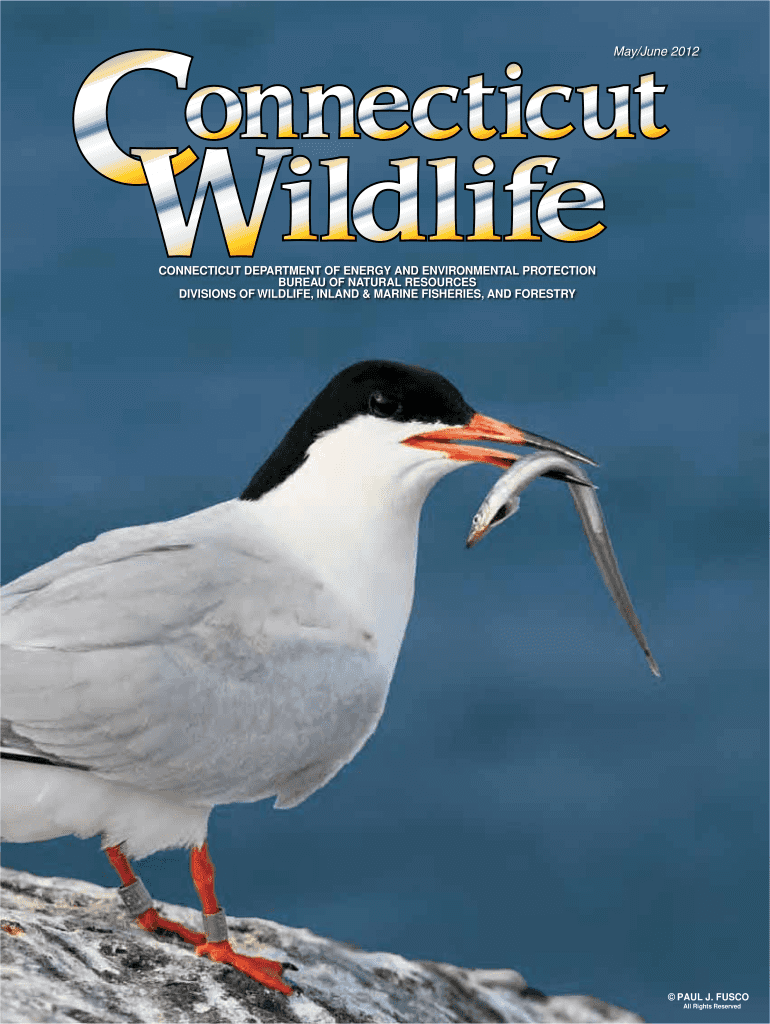







Definition & Meaning
The "Connecticut Wildlife May June 2012 Wildlife in Connecticut" form refers to an edition of a publication focusing on wildlife and conservation efforts specific to Connecticut. This issue aims to share insights about various initiatives and restoration projects that took place in 2012. It often highlights the state's commitment to protecting wildlife and engaging communities in conservation activities. Understanding this document helps individuals appreciate the historical context of conservation efforts and the importance of continued support for similar initiatives.
- Conservation Focus: The publication is dedicated to sharing successful wildlife restoration efforts and promoting habitat protection.
- Educational Intent: This issue strives to educate readers about the various programs and volunteer opportunities available to foster conservation awareness.
Importance of Historical Context
- Wildlife recovery: Documenting efforts like the recovery of wild turkeys and wood ducks can aid in developing strategies for future wildlife restoration.
- Community engagement: Highlighting past initiatives provides a roadmap for engaging communities in conservation projects.
Who Typically Uses the Connecticut Wildlife May June 2012 Wildlife in Connecticut
This publication serves a diverse audience interested in wildlife and conservation. It is particularly aimed at:
- Educators and Students: Those teaching or studying environmental science or wildlife management can benefit from the detailed accounts of conservation efforts.
- Conservationists and Environmentalists: Professionals and volunteers active in wildlife preservation and habitat restoration.
- Policy Makers and Agencies: Officials and organizations involved in environmental protection policies may find this document useful for policy formulation and evaluation.


Benefits for Different Groups
- Educators: Provides case studies for classroom discussions.
- Conservationists: Offers insights into successful past restoration efforts.
Key Elements of the Connecticut Wildlife May June 2012 Wildlife in Connecticut
In this particular issue, several key elements are emphasized:
- Initiatives like No Child Left Inside®: Encouraging outdoor activities and nature exploration for children.
- Wildlife Restoration Successes: Documentation of species recovery, such as wild turkeys and wood ducks.
- Habitat Protection: Detailed descriptions of ongoing habitat conservation efforts.
- Volunteer Opportunities: Information on how residents can participate in conservation activities and events.
Volunteer Engagement
- Programs: Explains how individuals can contribute to local wildlife restoration projects.
- Events: Lists community events designed to increase awareness and participation in conservation efforts.
State-Specific Rules for the Connecticut Wildlife May June 2012 Wildlife in Connecticut
Connecticut has specific regulations and guidelines governing wildlife conservation, which are relevant to the contents of this document:
- Wildlife Management Laws: State laws that protect endangered species and regulate hunting and habitat use.
- Environmental Policies: Regional initiatives that promote sustainable practices and conservation funding.
Examples of Regulations
- Hunting Restrictions: Limits on hunting seasons and permits to ensure wildlife populations are maintained.
- Habitat Preservation: Rules for land development to protect natural ecosystems.
How to Use the Connecticut Wildlife May June 2012 Wildlife in Connecticut
This publication is a valuable resource for understanding conservation efforts and engaging with wildlife protection initiatives. Here’s how it can be effectively used:
- Research: Utilize the document as a reference for academic studies or for informing community conservation projects.
- Education: Leverage the content for developing lesson plans and incorporating real-world examples into educational curricula.
- Policy Creation: Analyze successful past initiatives to guide current and future policy-making.
Examples of Using the Connecticut Wildlife May June 2012 Wildlife in Connecticut
Exploring practical applications of the document can enhance its utility:
- Case Studies: Analyze the recovery of wild turkeys as a model for similar species in other regions.
- Program Development: Use detailed descriptions of programs like No Child Left Inside® to develop new community engagement initiatives.
- Historical Analysis: Examine the evolution of wildlife policies and their long-term impacts on local ecosystems.
Legal Use of the Connecticut Wildlife May June 2012 Wildlife in Connecticut
Understanding the legal framework within which this publication operates can enhance its relevance for users:
- Compliance: Ensure that conservation efforts and educational programs are aligned with existing wildlife laws and regulations.
- Public Awareness: Raise awareness of legal responsibilities and rights concerning local wildlife and habitats.
Ensuring Compliance
- Program Alignment: Check that initiatives described are in compliance with state and federal laws regarding wildlife conservation.
- Educational Material: Verify content used in educational settings is updated with current legal standards.
Required Documents
To maximize the benefits of using this publication for formal applications or educational purposes, certain documents might be required:
- Research Permits: When using data for academic studies, securing the necessary permits is essential.
- Authorization Forms: For engaging in volunteer or community initiatives, participation forms may be needed to ensure proper documentation and compliance with local regulations.
Documenting Participation
- Volunteer Records: Maintain records of participation in conservation events as part of personal or organizational engagement tracking.
- Educational Certifications: Teachers may require proof of integration into curricula as part of professional development credits.




