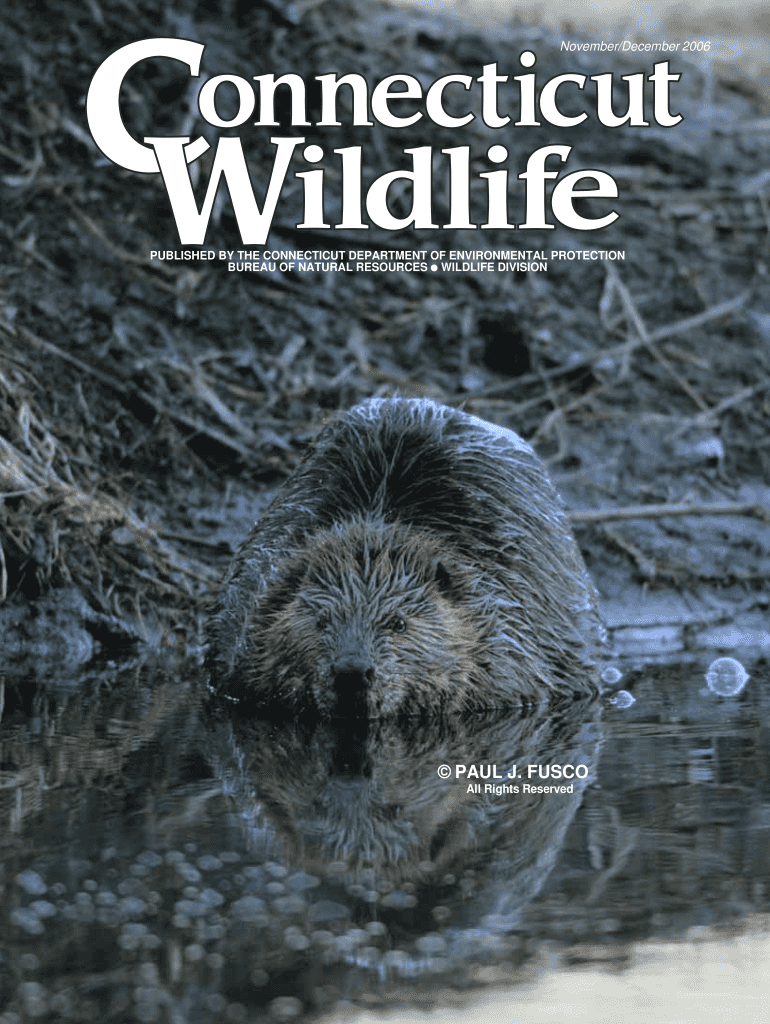







Overview of Connecticut Wildlife in Nov Dec 2006
The November/December 2006 edition of Connecticut Wildlife highlighted the complexities of managing local wildlife amidst increasing urban development. One significant focus was on conflicts between homeowners and coyotes. As urban areas expanded into natural habitats, incidents involving coyotes became more frequent, prompting discussions on the importance of public education regarding coyote behavior. Here, the publication aimed to promote understanding and mitigate these conflicts.
Impact of Urban Development on Connecticut Wildlife
Coyote Encounters and Public Education
The expansion of urban areas in Connecticut has led to more frequent interactions between coyotes and residents. As these animals adapt to living closer to humans, the need for public education on coexistence becomes vital. Strategies include:
- Understanding coyote behavior to reduce fear and aggression.
- Implementing community education programs to inform citizens about coyotes’ roles in the ecosystem.
- Developing guidelines for safely managing encounters with coyotes in residential areas.
Conservation Efforts and Habitat Management
Efforts to conserve habitats are pivotal in supporting wildlife diversity. The 2006 issue outlined several initiatives:
- Designation of grassland areas for bird conservation, catering to species such as the piping plover.
- Engaging communities in habitat restoration activities, emphasizing their role in creating sustainable environments for local species.
- Encouraging volunteerism in wildlife monitoring and habitat management projects.
Key Wildlife Concerns in 2006
New England Cottontail Conservation
The potential listing of the New England cottontail as a candidate for Endangered Species Act protection drew attention to the species' declining population. This initiative highlighted:
- The urgency of preserving remaining habitats critical for cottontail survival.
- Collaborative efforts between wildlife agencies and local communities to enhance habitat connectivity.
- Research on population dynamics to guide conservation strategies.
Health Alerts: Rabies and West Nile Virus
The publication also reported on health concerns affecting Connecticut wildlife:
- The rise in rabies cases among coyotes, necessitating increased awareness and preventive measures.
- Monitoring West Nile virus impacts on mosquito populations and subsequent effects on local bird and mammal species.
Community Engagement in Wildlife Conservation
Educational Programs and Volunteer Opportunities
To foster community involvement, a range of educational and volunteer opportunities were introduced:
- Programs aimed at increasing awareness of local wildlife issues and encouraging sustainable practices.
- Citizen science projects, allowing volunteers to contribute to data collection and research.
- Workshops and seminars covering various wildlife management techniques.
Legal and Regulatory Aspects
State-Specific Wildlife Management Rules
Connecticut has distinct rules and regulations governing wildlife management:
- Policies concerning the interaction with and management of native wildlife such as coyotes and birds.
- Guidelines for habitat conservation efforts ensuring legal compliance and ecological effectiveness.
Practical Examples of Wildlife Management in Connecticut
The 2006 edition provided relevant case studies demonstrating effective wildlife management strategies:
- A community-led initiative successfully restoring grassland habitats for avian species.
- A suburban neighborhood implementing educational workshops to reduce coyote incidents.
Challenges and Opportunities in Wildlife Conservation
The discussion extended to evaluating challenges conservationists face, such as balancing development with ecological preservation. Opportunities identified include leveraging technology for wildlife monitoring and engaging diverse communities in conservation efforts.