






Definition & Meaning
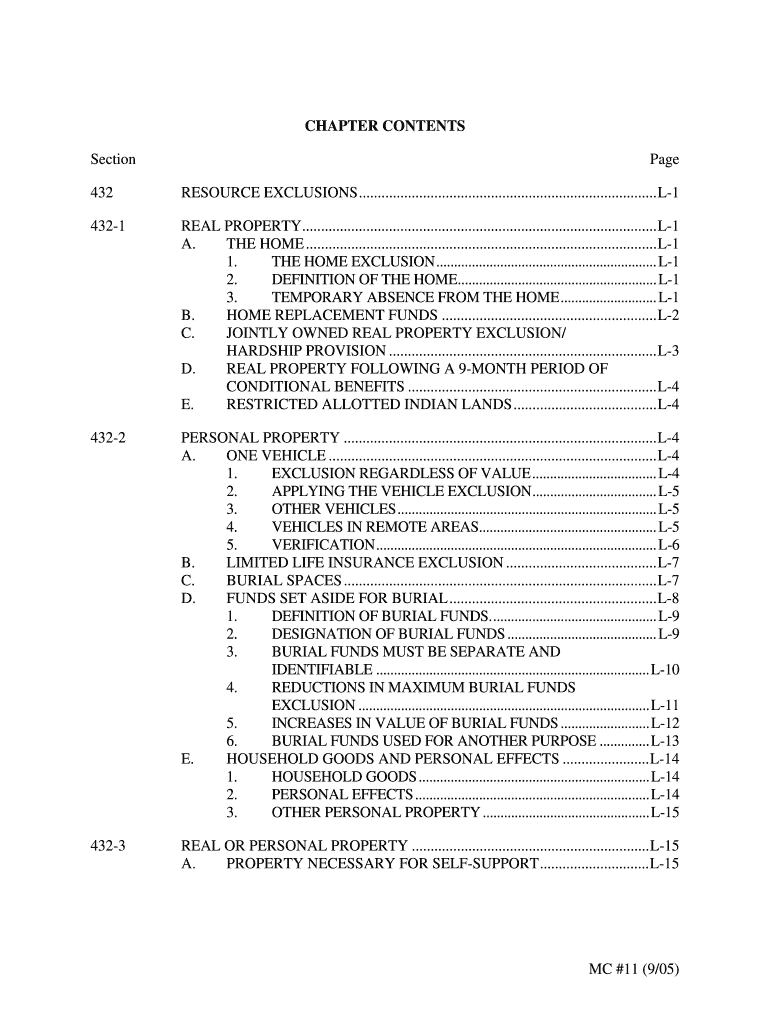
Resource exclusions refer to specific types of assets or resources that are not counted when determining eligibility for certain public assistance programs, such as the Alaska Adult Public Assistance (APA) program. This concept is essential for individuals seeking aid, as exclusions can significantly affect qualification outcomes. In the context of the APA program, resource exclusions can include:
- Real property exclusions, such as a primary residence.
- Personal property items like essential household goods and personal effects.
- Specialized exclusions for certain vehicle types and values.
Understanding how these exclusions work can ensure applicants accurately assess their eligibility and protect essential assets from being considered in resource calculations.
How to Use the RESOURCE EXCLUSIONS
Utilizing resource exclusions effectively involves identifying and categorizing assets that qualify for exemptions. Here’s a basic approach:
-
Identify Eligible Assets: Determine which of your assets fall into categories generally excluded, such as your main home or a vehicle essential for work.
-
Documentation: Gather documentation proving ownership and the item's purpose (e.g., homeownership forms or work-related vehicle documentation).
-
Submit Correctly: When applying for assistance, clearly indicate which resources you believe are exempt and provide necessary documents to substantiate these claims.
Understanding and correctly applying exclusions help in maintaining eligibility for assistance without unintentionally over-reporting resources.
Steps to Complete the RESOURCE EXCLUSIONS
Completing the process for recognizing resource exclusions involves several steps:
-
Review Program Guidelines: Read the specific guidelines of the APA program to understand which resource exclusions apply.
-
Asset Inventory: Compile a list of all personal and real property.
-
Categorize Resources: Segregate those assets that fall under the exclusions criteria set by the program.
-
Verification and Documentation: Collect necessary paperwork that verifies assets' ownership and purpose.
-
Form Submission: Prepare forms and ensure the exclusions are clearly documented with supporting evidence, then submit as required by the APA process.
Bringing precision in documentation and comprehension of what constitutes an excluded resource is crucial for a successful application.
Why Should You Utilize RESOURCE EXCLUSIONS
Utilizing resource exclusions is pivotal for retaining eligibility for public assistance programs. Key reasons include:
- Maximizing Benefits: By excluding certain resources, more individuals and families can qualify for assistance.
- Protecting Essential Assets: Ensures your crucial assets, like a home or work vehicle, are secure from being liquidated.
- Legal Compliance: Proper application of exclusions aligns with program requirements and legal obligations, preventing potential penalties.
These reasons emphasize the importance of understanding and leveraging resource exclusions to achieve better eligibility status.
Key Elements of the RESOURCE EXCLUSIONS
Essential components of resource exclusions typically involve several aspects:
- Asset Type and Purpose: Identifying the primary usage of assets (residential, occupational, etc.).
- Ownership Verification: Documentation proving you are the rightful owner.
- Monetary Limits: Some exclusions have value thresholds, meaning only assets below a certain value qualify.
The accuracy and depth of these elements in your application can greatly influence the success in leveraging exclusions.
Legal Use of the RESOURCE EXCLUSIONS
The lawful application of resource exclusions requires adherence to set guidelines and transparent reporting:
- Program Compliance: Ensures your documentation and claims adhere to the specific requirements of the APA program.
- Honest Declaration: Accurately declare all resources, emphasizing those exempted, while supporting claims with valid documentation.
- Consultation: When uncertain, consulting with a legal adviser or program coordinator can prevent inadvertent non-compliance.
Legal integrity in using resource exclusions protects applicants from penalties and maintains program trust.
State-Specific Rules for the RESOURCE EXCLUSIONS
While the APA program includes a standard set of exclusions, local variations can apply:
- Property Value Limits: The valuation of excluded resources might vary between states.
- Financial Thresholds: Monetary limits for cash and assets could be jurisdiction-specific.
- Specific Exemptions: Some states may have additional unique exclusions relevant to their socio-economic environment.
Understanding these state-driven nuances ensures appropriate application of exemptions and maximizes eligibility benefits.
Important Terms Related to RESOURCE EXCLUSIONS
Comprehending terms associated with resource exclusions aids in application clarity and accuracy:
- Real Property: Land and immovable structures owned.
- Personal Property: All moveable assets an individual owns.
- Asset Valuation: The determined value of an asset in the market.
- Monetary Threshold: Maximum allowable values for resources to be excluded.
Familiarity with these terms facilitates a proper understanding of how exclusions impact eligibility evaluations.