Definition and Meaning
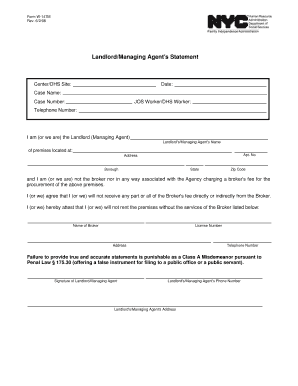
"Tribal Relations, Transportation and Public Facilities, State of" refers to the coordinated efforts and frameworks used to manage the relationship between tribal entities and state government departments, specifically focusing on transportation and public facility infrastructure. This involves the development, maintenance, and regulation of state facilities and transportation systems with respect to tribal lands. The aim is to ensure collaborative and mutually beneficial relationships between the state and tribal communities, promoting efficient infrastructure development while respecting indigenous sovereignty and agreements.
Steps to Complete the Tribal Relations, Transportation, and Public Facilities Form
Completing the form requires careful attention to detail and understanding of the specific requirements. Here is a step-by-step process to guide you:
-
Gather Necessary Information: Before beginning, collect all relevant information, including details about the project or area of interest, tribal affiliations, and any previous agreements or disputes.
-
Identify Applicable Sections: Determine which sections of the form are relevant to your situation. This may vary based on the specific nature of your project or inquiry.
-
Provide Detailed Descriptions: Fill out detailed descriptions in each section. Be specific about the location, nature of the project, and its anticipated impact.
-
Consult Tribal Authorities: Engage with tribal authorities associated with the land or project area to ensure all perspectives are considered, and potential conflicts are minimized.
-
Review Regulations: Ensure compliance with both state and federal regulations concerning transportation, public facilities, and tribal relations.
-
Submit the Form: Choose the appropriate method of submission—online, by mail, or in-person—based on available options.
Who Typically Uses the Tribal Relations, Transportation, and Public Facilities Form
This form is usually utilized by government agencies, construction firms, legal entities, and consultants working on projects that involve state lands intersecting with tribal territories. It is critical for ensuring that all infrastructural interventions respect tribal sovereignty and comply with existing agreements and regulations. These stakeholders often need to understand and address unique challenges presented by jurisdictional overlaps and collaborative governance.


Key Elements of the Tribal Relations, Transportation, and Public Facilities Form
- Project Overview: Comprehensive details about the project, including scope, timeline, and objectives.
- Tribal Consultation Records: Documentation of interactions and consultations with tribal authorities.
- Impact Assessments: Evaluations of potential effects on tribal lands and communities.
- Regulatory Compliance Checks: Sections ensuring all activities meet relevant laws and guidelines.
- Agreements and MOUs: Details of any memoranda of understanding or legal agreements with tribal entities.
Legal Use of the Form
The form is legally binding and designed to protect the interests of both the state and the tribal communities involved. By adhering to the guidelines provided, entities ensure compliance with legal standards governing land use, environmental management, and tribal consultations. The use of the form can mitigate potential disputes by establishing a clear, written record of mutual agreements and negotiated outcomes.
State-Specific Rules for the Form
While the form follows standardized guidelines, specific rules can vary by state due to differing state-tribal agreements and legislations. For instance, states with large tribal populations might have more comprehensive consultation requirements. Understanding local legislative context and tribal history is essential for accurate completion of the form.
Examples of Using the Form
- Infrastructure Development: When expanding a highway that intersects with tribal land, this form helps in laying out agreements on land use and compensation.
- Facility Upgrades: For upgrading public facilities on or near tribal lands, the form handles permissions and clarifies jurisdictional responsibilities.
- Environmental Projects: During projects like waste management improvements or water treatment facilities, the form guides cooperative efforts between state and tribal bodies.
Important Terms Related to the Form
- Sovereignty: The authority of tribal nations to govern themselves.
- Jurisdiction: The legal power or authority a government has over a particular area or group of people.
- Consultation: A formal process of dialogue between the state and tribal representatives to discuss projects and their impacts.
- Land Use Agreement: Contracts defining how land may be used or what compensation might be provided for its use or impact.
Application Process and Approval Time
The application process begins with the submission of a completed form along with the necessary supporting documents. It typically involves review and approval by both state agencies and tribal councils. Timelines can vary widely depending on the complexity of the project, the number of stakeholders involved, and the responsiveness of each party. Approval might take weeks to months, depending on how swiftly consultations and negotiations progress.