






Definition & Meaning
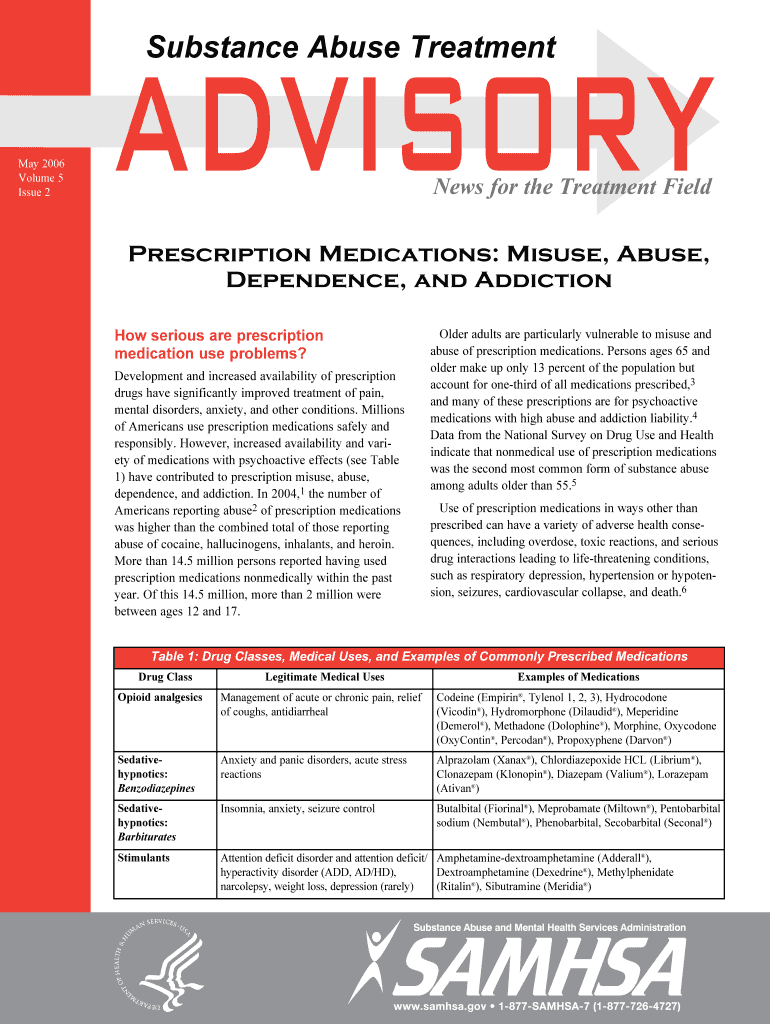
Prescription medications can serve vital roles in healthcare, yet they also hold potential for misuse and abuse, which can lead to dependency or addiction. Misuse refers to the incorrect use of these medicines, such as taking a higher dose than prescribed or using someone else's medication. Abuse is the intentional use of medication for non-medical purposes, often to achieve a high. Understanding these nuances is crucial for recognizing warning signs and implementing effective support mechanisms.
Important Terms Related to Prescription Medications
Comprehending the complexities of prescription medication misuse and abuse requires familiarity with several key terms. Nonmedical use involves consuming medications without a prescription or not as prescribed, such as using painkillers for recreational purposes. Dependence is characterized by the body's adaptation to a drug, resulting in withdrawal symptoms upon cessation. Pseudoaddiction presents as drug-seeking behavior driven by pain relief needs, often misinterpreted as addiction, but resolved with appropriate pain management.
Legal Use of Prescription Medications
Prescriptions are intended for legitimate medical needs, sanctioned by healthcare professionals. In the U.S., regulatory bodies such as the FDA ensure these medications are distributed safely, emphasizing the necessity of adhering to prescribed guidelines. Misuse can breach legal boundaries, leading to legal consequences including fines or incarceration. Therefore, patients are encouraged to follow healthcare practitioners' prescriptions strictly to avoid these ramifications.
Steps to Complete the Prescription Medications: Misuse, Abuse Form
If a form concerning prescription medications is required, understanding the steps to complete it effectively is essential. First, gather all necessary personal information and any pertinent medical history. Then, ensure you accurately fill out any sections regarding your medication use patterns. It's important to provide truthful and comprehensive data to enable effective assessment and assistance. Finally, double-check the form for accuracy before submission to ensure all necessary criteria are met.
Why Addressing Prescription Medication Misuse is Critical
Addressing the issue of prescription medication misuse is essential due to its widespread impact on individuals and society. Misuse can lead to addiction, with severe health consequences and social ramifications. It's also linked to increased healthcare costs and economic burdens. By raising awareness and promoting responsible medication use, we can mitigate these negative effects and promote healthier communities.
State-Specific Rules for Prescription Medications
Each U.S. state may have distinct regulations regarding prescription medications, reflecting variations in governance and healthcare priorities. For instance, some states have implemented prescription drug monitoring programs (PDMPs) to track and regulate medication dispensation. Familiarizing oneself with these rules can prevent potential legal issues and promote compliance with local laws, ensuring safe and responsible medication use.
Examples of Prescription Medication Misuse Scenarios
Real-world scenarios can illustrate the dangers of prescription medication misuse. An older adult, for example, might unintentionally misuse medications by mixing prescriptions not meant to be taken together, leading to adverse reactions. In another case, someone might misuse their alertness medication to counteract sleep deprivation, ultimately exacerbating health problems. These examples underscore the necessity of educating patients and healthcare providers about misuse potential and preventative strategies.
Key Elements of Prescription Medication Misuse
Several core elements characterize prescription medication misuse. Accessibility often influences misuse, with higher availability linked to increased cases of abuse. Education, or lack thereof, also plays a significant role; many individuals are unaware of the potential dangers of improper medication use. Finally, psychological factors, such as stress or mental health disorders, can drive misuse, indicating the need for comprehensive care strategies that address these underlying issues.
Application Process & Approval Time
Handling the misuse or abuse of prescription medications typically involves a formal process requiring assessments and interventions from healthcare providers. Patients or families concerned about misuse should engage with healthcare professionals to discuss their observations. From here, an assessment will be conducted to determine the severity of misuse, and a suitable treatment plan will be recommended. This process can vary in its time to completion depending on individual circumstances and healthcare resource availability.
Eligibility Criteria for Treatment Programs
For individuals seeking help for prescription medication misuse, eligibility criteria for treatment programs must be understood. Generally, these programs require a diagnosis from a qualified healthcare provider, ensuring that patients receive the appropriate level of care. Some programs might also require evidence of medication misuse or a referral from a healthcare professional. Understanding these requirements helps streamline the application process and ensures access to necessary resources.


Digital vs. Paper Versions for Documentation
Managing documentation related to prescription medication misuse can be accomplished through digital or paper formats. Digital forms offer convenience and accessibility, allowing patients and healthcare providers to update and share information seamlessly. However, some individuals may prefer or require paper documentation due to comfort or technological limitations. Ensuring that both formats are available accommodates diverse needs and supports comprehensive record-keeping.