







Definition & Meaning
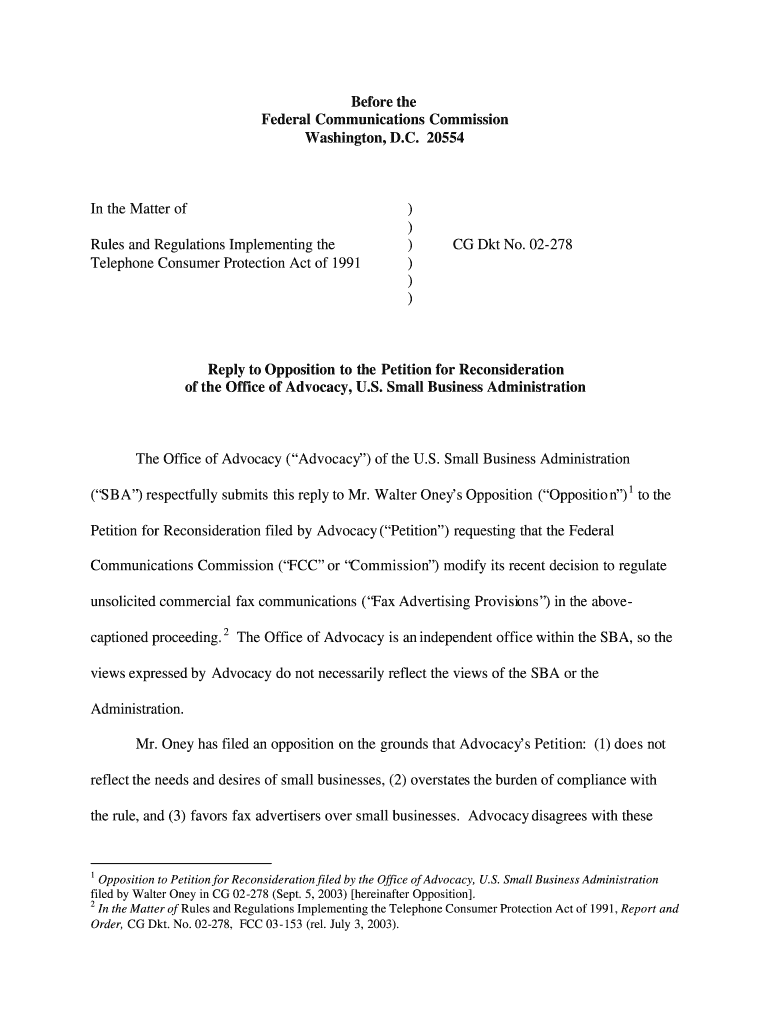
The "Small Business Administration, Office of Advocacy, Federal" primarily refers to the Office of Advocacy within the U.S. Small Business Administration (SBA). This office represents small businesses within the federal government, advocating for appropriate regulations that minimize burdens while promoting entrepreneurship and growth. It serves as a critical liaison between small businesses and federal agencies, ensuring that the voices of small business owners are heard in the legislative process.
How to Use the Small Business Administration, Office of Advocacy, Federal
The SBA's Office of Advocacy can be utilized by small business owners, trade associations, and other stakeholders looking to influence or understand federal regulatory actions. By coordinating with this office, businesses can raise concerns about specific regulations, provide input on proposed rules, and support research that elucidates the economic impact of these regulations. This collaborative approach ensures that regulatory changes consider the unique needs and challenges of small businesses.
Steps to Complete the Small Business Administration, Office of Advocacy, Federal Forms
- Identify the Form: Determine the specific form or documentation needed from the Office of Advocacy, whether it's a request for information or a feedback submission on regulatory actions.
- Access the Form: Visit the official SBA website or contact the Office of Advocacy directly to obtain the necessary forms or guidance documents.
- Complete the Form: Fill in all required sections accurately, providing detailed responses to each query and attaching supporting documents as needed.
- Review and Submit: Double-check all entries for accuracy, completeness, and compliance with the guidelines provided. Submit the form as stipulated by the SBA, whether online, by mail, or in person.
Why Should You Engage with the Small Business Administration, Office of Advocacy, Federal
Engaging with the SBA's Office of Advocacy offers numerous benefits for small businesses. By participating in this process, businesses can:
- Influence policy decisions that directly impact their operations.
- Access valuable research and data that can aid in decision-making.
- Achieve regulatory relief by helping shape rules that are less burdensome.
- Enhance their understanding of complex federal regulatory landscapes.
Who Typically Uses the Small Business Administration, Office of Advocacy, Federal
The Office of Advocacy is primarily used by:
- Small business owners and operators seeking to influence or understand regulations.
- Trade associations representing the interests of their member businesses.
- Industry experts and researchers conducting studies on small business economics.
- Policy makers looking to collaborate on developing balanced regulatory frameworks.


Key Elements of the Small Business Administration, Office of Advocacy, Federal
- Representation: Ensures small business interests are represented in federal policymaking.
- Research: Conducts and disseminates economic research to inform legislative decisions.
- Regulatory Review: Critically evaluates proposed federal regulations for their impact on small entities.
- Outreach: Provides educational materials and guidance to small businesses on regulatory compliance.
Legal Use of the Small Business Administration, Office of Advocacy, Federal
The legal mandate of the Office of Advocacy is rooted in several acts, including the Small Business Regulatory Enforcement Fairness Act (SBREFA), which empowers the office to assess the economic impact of proposed regulations. This legal structure allows the office to submit formal comments on proposed regulations, file litigation briefs, and seek regulatory flexibility where possible.
Important Terms Related to Small Business Administration, Office of Advocacy, Federal
- Established Business Relationship (EBR): A key term in regulatory discussions, particularly concerning communications regulations.
- Compliance Burden: The administrative and economic burden that regulations can impose on businesses, a major focus for the Office of Advocacy.
- Economic Impact Analysis: A process of reviewing how proposed regulations could affect small businesses financially and operationally.
Examples of Using the Small Business Administration, Office of Advocacy, Federal
- Opposing Overly Burdensome Regulations: A small business owner submits feedback through the Office of Advocacy highlighting the economic impact of new tax regulations.
- Supporting Research Initiatives: Trade associations utilize research findings from the Office of Advocacy to advocate for more favorable policy changes.
- Clarifying Regulatory Definitions: Businesses collaborate with the Office to clarify terms in proposed rules, ensuring better compliance.
State-Specific Rules for the Small Business Administration, Office of Advocacy, Federal
While the Office of Advocacy is a federal entity, its influence also extends to state-level regulations. Businesses in different states may engage with the Office to address unique local regulatory challenges, tailoring feedback to accommodate state-specific economic conditions and legislative environments.




