






Definition & Interpretation of the 7-Day-After-Report
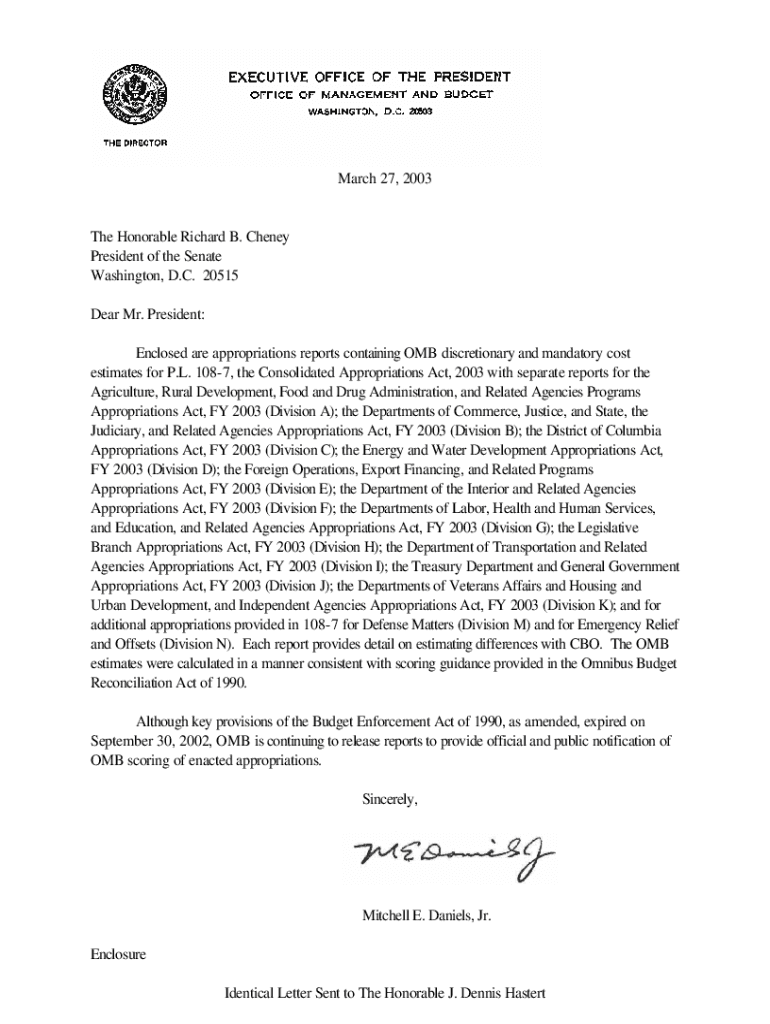
The "7-Day-After-Report" for H.R. Res. 2, P.L. 107-8 is a report required to be filed to discuss and outline allocations and expenditures following the enactment of a particular resolution. This report is crucial for maintaining transparency and accountability in government spending. The purpose is to provide a detailed analysis of the financial activities associated with the given legislation, ensuring that appropriated funds are allocated according to the intentions of the resolution.
Steps to Complete the 7-Day-After-Report
-
Gather Relevant Data: Start by collecting all financial data related to H.R. Res. 2, P.L. 107-8. This includes budget allocations, actual expenditures, and any variances.
-
Analyze Financial Transactions: Review all transactions to ensure they align with the intended budgetary categories outlined in the resolution. This process helps identify any discrepancies or errors.
-
Prepare the Report: Utilize the collected data to draft a comprehensive report outlining all relevant financial activities. Include sections for summary, detailed transaction breakdowns, and commentary on adherence to fiscal guidelines.
-
Review and Validate: Before submission, it's crucial to review the report for accuracy and completeness. Cross-check figures with source documents and assure compliance with the resolution's parameters.
-
Submit the Report: Follow the designated process for submitting the report within the 7-day timeframe. Ensure it is sent to the correct governmental departments for review.
Importance of the 7-Day-After-Report
Creating the 7-Day-After-Report ensures that funds are allocated responsibly and transparently following legislative resolutions such as H.R. Res. 2, P.L. 107-8. This process aids in preventing misuse of funds, provides a mechanism for accountability, and supports the overall governance process.
Typical Users of the 7-Day-After-Report
Typically, government fiscal managers, budget officers, and financial analysts engage with this report. Their role often involves preparing, reviewing, or analyzing the report to ensure financial integrity and compliance with governmental budgets.
Required Documents for the 7-Day-After-Report
- Financial Transactions Records: Detailed logs of all transactions made under the resolution.
- Budgetary Documents: Original budget plans showing intended allocations.
- Compliance Checklists: Tools used to ensure all statutory requirements have been met.
These documents are necessary to create an accurate and compliant report.
Legal Use of the 7-Day-After-Report
Legally, the 7-Day-After-Report serves as an instrument for transparency and accountability. It adheres to public sector financial management standards and is a vital part of the governmental oversight process. Non-compliance might lead to investigations or penalties, ensuring that accurate reporting is legally mandated.
Key Elements of the 7-Day-After-Report
- Summary of Expenditures: Presents a concise overview of spending activities.
- Variance Analysis: Identifies discrepancies between budgeted and actual figures.
- Compliance Status: Confirms adherence to the originally approved budget.
These elements are crucial for both compliance and operational insight.
Filing Deadlines and Important Dates
The "7-Day-After-Report" must be filed within seven calendar days following the specified reporting period end. Adhering to this timeline is crucial for maintaining regulatory compliance and facilitating timely governmental review.
Form Submission Methods
- Online Submission: Many government agencies provide portals for electronic submissions, ensuring speed and efficiency.
- Mail or Courier: Some departments might still require or accept reports via traditional postal services.
Choosing the right submission method depends on the requirements set by the relevant governing body.
Penalties for Non-Compliance
Failure to submit the 7-Day-After-Report accurately and within the deadline can result in financial penalties, audits, and an investigation. It could also impact future funding and the credibility of the agencies involved, emphasizing the importance of compliance.