






Definition and Meaning
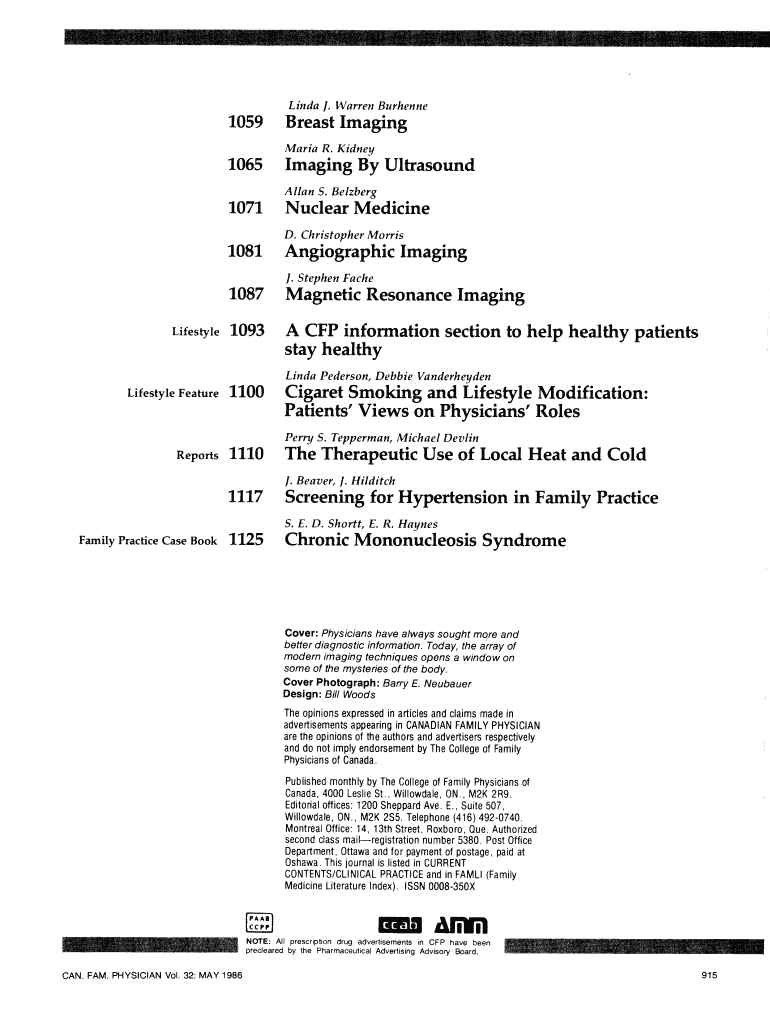
The "A CFP information section to help healthy patients stay healthy" serves as a crucial document that focuses on providing patients with information necessary to maintain and enhance their health. Its primary aim is to present comprehensive, evidence-based recommendations on lifestyle modifications, preventive care, and regular health screenings. These insights help patients understand what constitutes a healthy lifestyle, how diet and exercise play a role, and the importance of early detection, thereby empowering them to make informed decisions about their health.
Key Elements of the Information Section
The core components of this information section include tailored advice on nutrition, exercise, mental health, and risk assessments.
- Nutrition: Emphasizes balanced diets rich in fruits, vegetables, lean proteins, and whole grains.
- Exercise: Advocates for regular physical activity adapted to the individual’s health status.
- Mental Health: Covers techniques for stress management and resources for mental wellness.
- Risk Assessments: Provides guidelines for regular screenings and vaccinations tailored to individual risk factors, such as age, family history, and lifestyle choices.
How to Use the Information Section
Patients can utilize the information by integrating the guidelines into their daily routines. This integration may involve:
- Assessing Current Lifestyle: Evaluate dietary habits, physical activity, and stress levels against recommended guidelines.
- Setting Health Goals: Establish achievable objectives based on the detailed recommendations provided.
- Tracking Progress: Use tracking tools or journals to monitor dietary intake, exercise routines, and wellness activities.
- Regular Consultations: Engage in routine check-ups with healthcare providers to update risk assessments and receive personalized advice.
Why Engage with the Information Section
Engagement with this information section is vital for reducing the likelihood of chronic diseases and enhancing overall quality of life. Proactive healthcare leads to:
- Improved Physical Health: Adopting recommended practices can result in better weight management, increased energy levels, and improved cardiovascular health.
- Mental Well-being: Techniques provided can reduce anxiety and depression symptoms, fostering a more positive outlook.
- Healthcare Savings: Preventive care often results in lower long-term healthcare costs due to reduced need for emergency interventions and hospitalizations.
Examples of Utilizing the Information Section
Real-world applications of the information section vary but often include:
- Case Studies: A patient with a family history of diabetes implementing dietary changes and regular exercise to lower blood sugar levels.
- Community Initiatives: Local health centers integrating these guidelines into workshops to educate attendees about maintaining a healthy lifestyle.
- School Programs: Educational plans that include activities and lessons around healthy eating, encouraging children to develop lifelong healthy habits.
Important Terms Related to the Information Section
Familiarity with specific terms enhances understanding and application:
- Preventive Care: Measures taken to prevent disease rather than treating symptoms and illnesses after they manifest.
- Chronic Diseases: Long-lasting conditions with persistent effects, such as heart disease, diabetes, and cancer.
- Lifestyle Modifications: Changes in daily activities to improve health, including diet, exercise, and sleeping habits.
Legal Use of the Information Section
This section aligns with legal healthcare standards in the U.S., ensuring compliance with medical guidelines for patient education and preventive care.
- Confidentiality: Personal data used in risk assessments must adhere to HIPAA regulations to protect patient privacy.
- Medical Accuracy: All information provided should be sourced from recognized medical entities and tailored to meet individual state regulations where applicable.
State-Specific Rules for the Information Section
While the overarching aim remains consistent, certain recommendations might vary based on state-specific health statistics, resources available, and prevalent regional health issues.
For example, states with higher incidences of sun exposure might include additional guidance on skin protection and regular check-ups for skin cancer, ensuring the section remains relevant to regional needs and mandates.