







Understanding the Behavior of Rubber Hydrocarbon in a Molecular Still
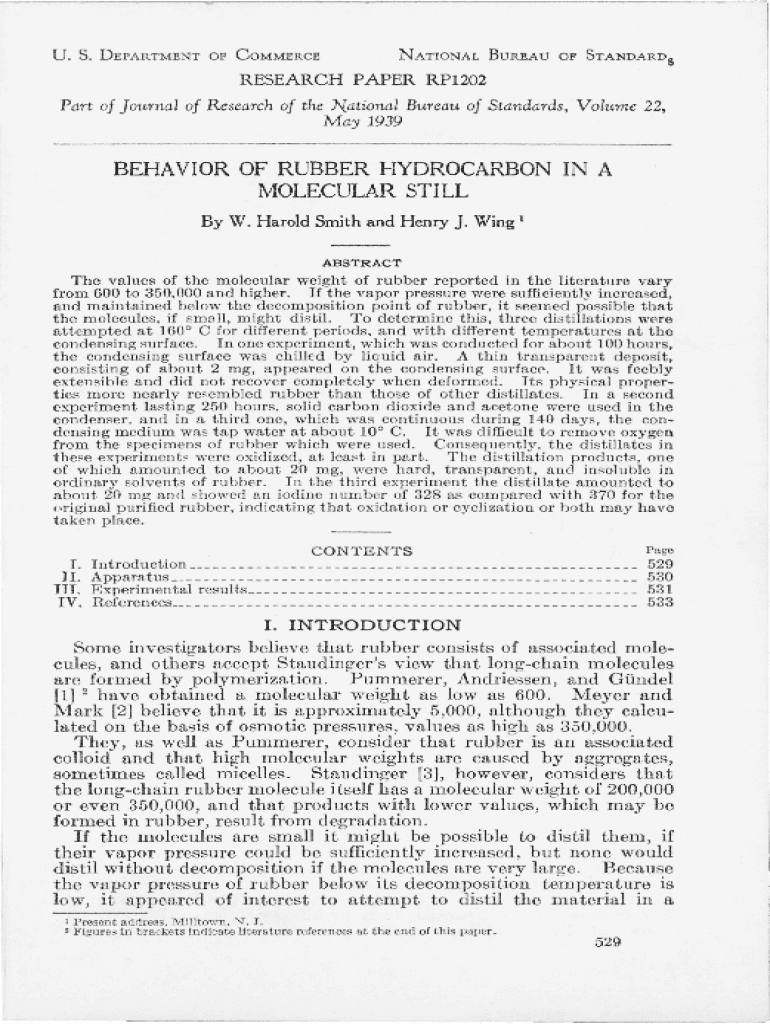
Rubber hydrocarbon's behavior in a molecular still offers a window into its molecular structure and the distillation process's intricacies. This study is crucial for industries interested in the chemical and physical properties of rubber as it undergoes distillation. The molecular weight of rubber hydrocarbon can vary widely, impacting how it behaves when subjected to high temperatures and vacuum conditions in a molecular still. This section will delve into how the molecular weight affects the distillation process and potential oxidation changes that occur.
Distillation Experiments and Results
Three distinct experiments were conducted to explore the behavior of rubber hydrocarbon under different conditions using a molecular still. The variables included temperature settings and pressure levels, which led to the production of distillates with unique physical properties. These properties suggest oxidation and possible alterations in molecular structure. The detailed findings provide insights into the efficiency of the distillation process and how rubber hydrocarbons can be refined without decomposition.
Oxidation and Molecular Structure
- Oxidation can influence molecular weight and distillation outcomes.
- Changes in physical properties point towards structural alterations.
- Understanding these facets can aid in designing better industrial processes for rubber extraction and refinement.
Steps to Utilizing the Behavior of Rubber Hydrocarbon in a Molecular Still
The process of distilling rubber hydrocarbon involves meticulous steps to ensure successful extraction without decomposition. Here is a detailed process breakdown for using a molecular still:
- Preparation: Gather and prepare the rubber hydrocarbon sample.
- Setup: Configure the molecular still to the specified parameters of temperature and pressure.
- Distillation: Begin the distillation process, closely monitoring temperature and pressure to avoid decomposition.
- Collection: Analyze the resulting distillates for their physical and molecular characteristics.
- Analysis: Compare distillates to ascertain variations caused by the distillation conditions.
Ensuring Optimal Conditions
- Proper calibration of the molecular still is crucial.
- Ensure strict monitoring to maintain conditions conducive to desired molecular behavior.
- Regular quality checks during the distillation help prevent potential oxidation or unwanted chemical changes.
Key Terms in Rubber Hydrocarbon Distillation
Understanding specific terms associated with rubber hydrocarbon distillation enhances comprehension and facilitates accurate experimentation:
- Molecular Weight: Refers to the mass of a molecule, crucial in determining distillate outcomes.
- Oxidation: A chemical reaction involving the transfer of electrons, which can affect molecular integrity.
- Distillate: The liquid obtained from condensation of vapors during the distillation process.
Essential Terminology
- Vacuum Conditions: A state of reduced pressure critical in preventing decomposition during distillation.
- Physical Properties: Characteristics such as melting point and density, indicating molecular structure changes.
Applications and Significance of Rubber Hydrocarbon Distillation
Distilling rubber hydrocarbon using a molecular still is significant for several industries, including chemical manufacturing and material sciences. Understanding this process aids in:
- Creating more efficient rubber products by refining raw materials.
- Informing environmental impact assessments related to rubber production.
- Enhancing quality control measures in rubber manufacturing by understanding oxidation effects and potential by-products.
Practical Uses in Industry
- Develop new rubber-based materials with superior performance characteristics.
- Improve recycling processes for rubber products by refining extraction methods.
Examples of Industrial Use Cases
The practical application of knowledge regarding rubber hydrocarbon behavior in molecular stills spans several industries:
- Manufacturing: Optimization of rubber extraction to produce high-quality rubber products.
- Automotive: Development of tires and other rubber components with tailored properties.
- Research Institutions: Use experimentation data to push boundaries in polymer science.
Case Studies
- Manufacturer A: Implemented molecular stills to refine rubber for enhanced durability.
- Research Center X: Conducted studies on oxidation's impact on molecular weight variation to improve distillation methods.
Variants and Versions of Rubber Hydrocarbon Distillation Techniques
While the focus is primarily on using a molecular still, there are other methodologies and older versions of techniques associated with rubber hydrocarbon distillation:
- Batch Distillation: An older method, less efficient but used for understanding preliminary distillation behaviors.
- Continuous Distillation: Generally used when consistent bulk processing is required.
Comparative Analysis of Methods
- Efficiency: Molecular stills are often more efficient compared to traditional methods.
- Quality Control: Molecular distillation allows for finer control over product consistency and quality.




