





Definition & Meaning
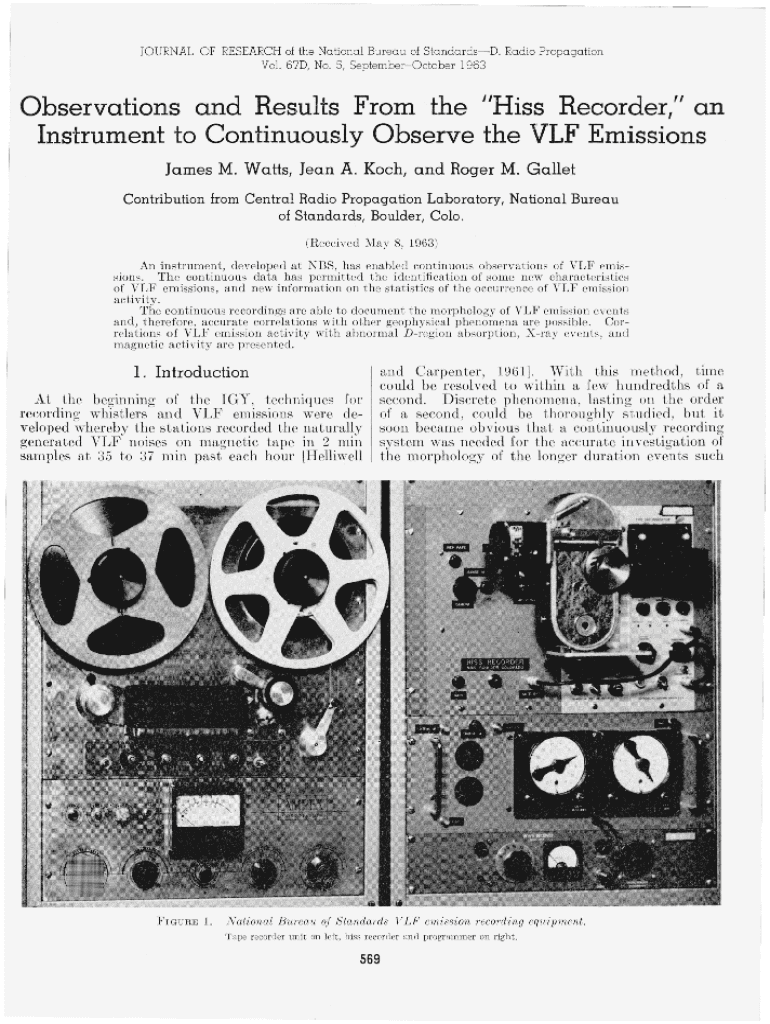
The "Upgrading Environmental Radiation Data: Health Physic Society - EPA" addresses the protocols and guidelines for enhancing radiation monitoring data to ensure accuracy and relevance in public health assessments. This initiative, spearheaded by collaborations between the Health Physics Society and the Environmental Protection Agency (EPA), focuses on improving data collection techniques, standardizing data formats, and integrating new technologies to track environmental radiation levels more effectively. The upgraded data serve as a critical tool for policymakers, scientists, and public health officials to assess environmental risks and implement appropriate safeguards.
Who typically uses the Upgrading Environmental Radiation Data: Health Physic Society - EPA
The primary users of this upgraded environmental radiation data include federal and state environmental agencies, health physicists, researchers, and public health authorities. These professionals rely on accurate radiation data to perform risk assessments, conduct epidemiological studies, and develop environmental policies aimed at protecting public health. Additionally, educational institutions and private sector researchers may utilize the data for academic and commercial purposes, contributing to broader scientific understanding and technological advancements in radiation safety.

Key Elements of the Upgrading Environmental Radiation Data: Health Physic Society - EPA
The initiative encompasses several key elements, including:
- Data Collection Techniques: Improved methods for collecting radiation data, including the deployment of advanced sensors and monitoring equipment.
- Standardization: Establishing uniform protocols for data measurement and format to facilitate comparison and integration across different jurisdictions.
- Technology Integration: Incorporating cutting-edge technologies such as real-time data transmission and geospatial mapping for enhanced data visualization.
- Data Accessibility: Ensuring that updated data is accessible to stakeholders through user-friendly platforms.
Steps to Complete the Upgrading Environmental Radiation Data: Health Physic Society - EPA
- Assessment: Evaluate existing radiation data collection methodologies and identify areas for improvement.
- Collaboration: Engage with interdisciplinary teams from the Health Physics Society and the EPA to share expertise and resources.
- Implementation: Adopt enhanced data collection and analysis technologies, ensuring compliance with standardized protocols.
- Review and Feedback: Conduct reviews and gather feedback from stakeholders to refine processes and methodologies continually.
Legal Use of the Upgrading Environmental Radiation Data: Health Physic Society - EPA
The legal framework governing the use of upgraded radiation data is designed to protect both public health and privacy. Regulatory compliance with relevant acts, including the Clean Air Act and the Radiation Control for Health and Safety Act, is mandatory. This data assists regulatory bodies in enforcing environmental standards and ensuring compliance with safety thresholds. Unauthorized manipulation or misuse of the data can lead to significant legal repercussions, reinforcing the importance of adherence to legal guidelines.
State-Specific Rules for the Upgrading Environmental Radiation Data: Health Physic Society - EPA
State-specific rules vary considerably, with each state having its regulatory framework based on local environmental conditions and public health policies. Some states might require additional monitoring in areas with historical contamination issues or in proximity to nuclear facilities. Understanding and complying with these rules are crucial for stakeholders using the data for planning and policy-making purposes.
Required Documents
Participants involved in upgrading environmental radiation data must maintain detailed documentation, including:
- Data Collection Protocols: Comprehensive guides on the methods and equipment used.
- Quality Assurance Plans: Documentation ensuring data accuracy and reliability.
- Compliance Records: Records demonstrating adherence to federal and state regulations.
- Technical Reports: Analysis and interpretation of data findings for stakeholder review.
Examples of Using the Upgrading Environmental Radiation Data: Health Physic Society - EPA
One practical application involves monitoring radiation levels near nuclear plants to ensure compliance with safety standards. By using upgraded data collection methods, authorities can quickly identify any deviations from normal radiation levels and take swift action to mitigate potential risks. Another example includes assessing radiation exposure after natural disasters, such as earthquakes, where infrastructure damage might lead to increased radiation emissions.
Form Submission Methods (Online / Mail / In-Person)
For stakeholders submitting data as part of this initiative, multiple submission methods are available. Online submission via secure platforms allows for real-time data uploads, ensuring timely updates to national databases. In situations where digital submission is not feasible, traditional mail or in-person submissions can ensure data is collected despite technological limitations, maintaining comprehensive coverage.
Digital vs. Paper Version
The digital version of upgrading environmental radiation data is vastly superior in terms of accessibility and ease of analysis. Digital platforms offer enhanced features such as real-time updates and interactive data visualization tools, facilitating better decision-making. However, paper versions remain critical in scenarios lacking digital infrastructure or for record-keeping purposes, ensuring redundancy and reliability in documentation processes.
Eligibility Criteria
Participation in this initiative is typically limited to certified professionals, including those affiliated with recognized environmental or research institutions with credentials in health physics. Eligibility may also require compliance with ethical guidelines and demonstration of technical competency in data handling. These criteria ensure that only qualified individuals contribute to data upgrading, maintaining the integrity and reliability of the collected information.