






Definition & Meaning
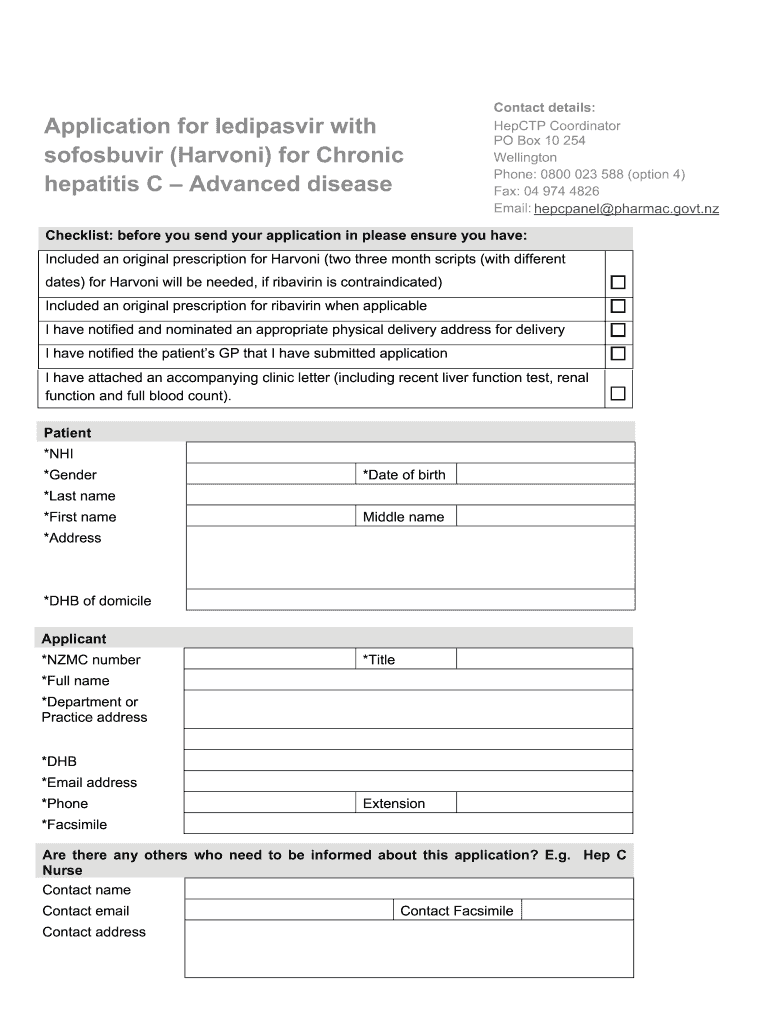
The Information sheet for ledipasvir with sofosbuvir, commonly referred to as Harvoni, is a critical document for patients undergoing treatment for chronic hepatitis C. It provides essential information on the drug combination used to suppress the hepatitis C virus, aiming to lead patients toward a sustained virological response. The document details the pharmaceutical components—ledipasvir and sofosbuvir—which work synergistically to inhibit the replication of the virus. It serves both patients and healthcare providers by outlining treatment goals, administration guidelines, and potential side effects, ensuring informed medical decisions.
Key Elements of the Information Sheet
The information sheet covers several important components that patients and healthcare professionals should be familiar with. Key elements include:
- Dosage Instructions: Provides details on the recommended dosage regimen, typically one tablet taken orally once daily.
- Side Effects: Lists common side effects such as fatigue, headache, and nausea, as well as more severe adverse reactions to monitor.
- Contraindications: Highlights scenarios where Harvoni should not be used, such as known hypersensitivity to the drug components.
- Drug Interactions: Warns against the use of other medications that may interfere with the effectiveness of Harvoni.
Steps to Complete the Information Sheet
Filling out the Information sheet for Harvoni involves several straightforward steps:
- Patient Information: Begin by entering the patient's personal information, including name, date of birth, and contact details.
- Medical History: Document any previous treatments for hepatitis C, including the dates and outcomes.
- Current Medications: List all current medications to check for possible drug interactions.
- Healthcare Provider Details: Include information about the prescribing doctor or healthcare provider facilitating the treatment.
- Signature and Acknowledgment: The patient or guardian must sign and date the form, indicating their understanding of the treatment plan and potential risks.
Eligibility Criteria
Eligibility for using Harvoni is typically determined by various patient-specific factors. To qualify for this treatment:
- Diagnosis Confirmation: Patients must have a confirmed diagnosis of chronic hepatitis C, genotype 1, 4, 5, or 6.
- Liver Function Assessment: An assessment of liver function and the extent of liver damage is required to tailor the treatment regimen.
- Previous Treatment History: Eligibility may vary based on previous treatments and patient response, particularly in those with treatment-resistant virus strains.
- Medical Contraindications: Patients should not have contraindications such as severe renal impairment without consultation with a healthcare provider.


How to Obtain the Information Sheet
The Information sheet for Harvoni can typically be obtained from multiple sources:
- Healthcare Providers: Doctors and specialists managing hepatitis C treatments often provide the sheet during consultations.
- Pharmacy: Pharmacies dispensing Harvoni may include the information sheet with the medication package.
- Online Resources: Reputable medical websites and the manufacturer's site often offer downloadable versions for patient use.
Important Terms Related to Harvoni Information
Familiarity with certain medical terms can enhance comprehension of the information sheet:
- SVR (Sustained Virologic Response): The primary treatment goal indicating no detectable virus in the blood post-treatment.
- Genotype: Refers to the specific strain of hepatitis C virus, influencing treatment protocols.
- Hepatic Impairment: Liver damage level, crucial when evaluating treatment suitability.
Legal Use of the Information Sheet
The legal ramifications of using the information sheet for Harvoni are noteworthy:
- Informed Consent: Patients must provide informed consent after understanding the treatment risks and benefits, often facilitated through this sheet.
- Privacy Compliance: Patient information collected must comply with health privacy laws, such as HIPAA, ensuring data security.
- Documentation: Proper documentation helps protect healthcare providers from liability and ensures adherence to legal treatment protocols.
State-Specific Rules for Harvoni
While Harvoni is governed by federal regulation, specific state rules may also affect its use:
- State Health Programs: Some states provide financial assistance or guidelines for accessing Harvoni through state health programs.
- Medicaid Coverage: Variations exist in Medicaid coverage criteria for Harvoni based on state policies, impacting eligibility and access.
- Prescriptive Authority: State-specific laws may dictate who can prescribe Harvoni, impacting treatment delivery in certain regions.
By thoroughly understanding the Information sheet for Harvoni, patients and healthcare providers can navigate the complexities of hepatitis C treatment, ensuring informed decisions and compliance with medical and legal standards.