





Definition & Meaning of "Form Online"
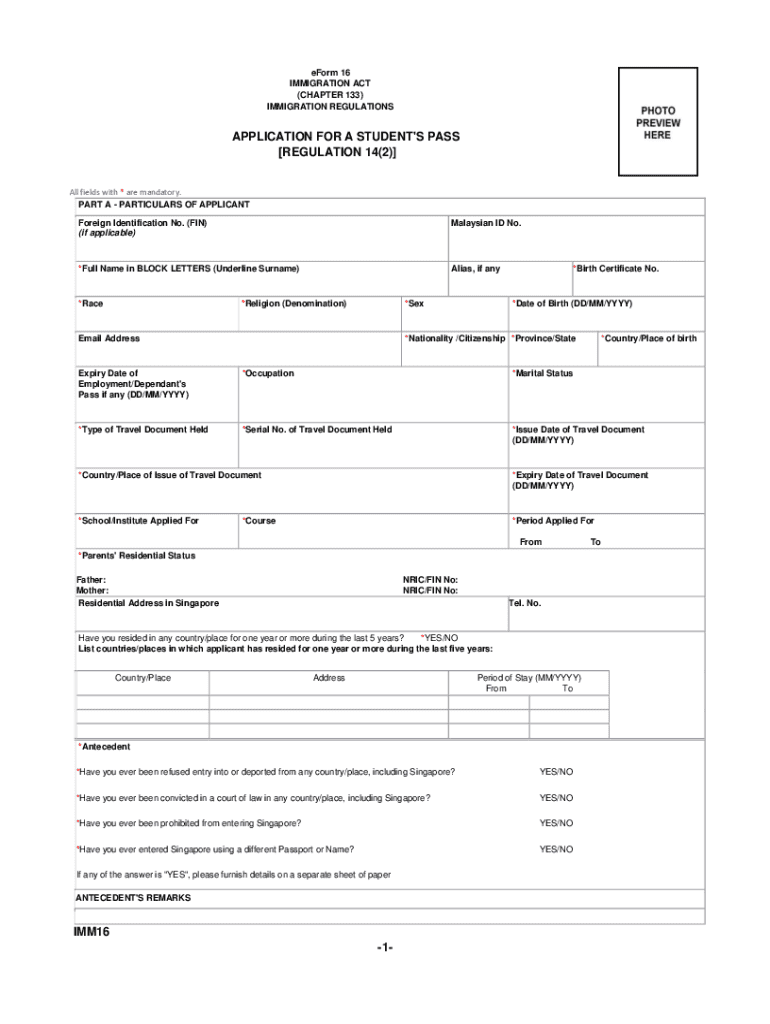
A form online refers to a digital document or application that can be accessed, completed, and submitted over the internet. Its primary purpose is to facilitate the collection of data, signatures, or approvals without the need for physical paper exchanges. Online forms offer flexibility, practicality, and efficiency across various sectors, including legal, education, government, and business. They can be either simple, requiring basic personal information, or complex, involving detailed inputs and multiple sections to address specific procedural needs.
Types of Form Online
- Application Forms: Used for job applications, college admissions, or other enrollment processes.
- Registration Forms: Employed for events, classes, conferences, and other occasions requiring registration.
- Feedback Forms: Utilized by businesses and organizations to gather user feedback or conduct surveys.
- Order Forms: Common in e-commerce and retail to facilitate product or service orders.
How to Use the Form Online
Using an online form is a straightforward process. It typically involves accessing the form through a webpage where it is hosted. The user can fill out the required fields, upload necessary documents, and submit the form electronically. Most platforms guide users through the process step-by-step, ensuring they complete all necessary sections accurately.
Step-by-Step Process
- Access the Form: Navigate to the website hosting the form or receive a direct link via email.
- Read Instructions: Carefully read any provided instructions before filling out the form to understand requirements and deadlines.
- Fill Out the Form: Enter data in designated fields, ensuring accuracy and completeness.
- Attach Documents: If required, upload supporting documents in the specified format.
- Review and Submit: Double-check entries for errors or omissions before submitting. Use the "Submit" button to send the form electronically.
How to Obtain the Form Online
Obtaining an online form generally involves accessing a website or platform that offers the form. This might be a government portal, business website, or an educational institution's online system. Many platforms require user authentication before granting access to specific forms to maintain data security.
Common Sources
- Government Websites: Official portals like IRS.gov for tax forms or state-specific sites for local documents.
- Business Platforms: Corporations may offer forms through corporate intranets or customer service pages.
- Educational Institutions: University or school websites often house forms for admissions, scholarships, and campus events.
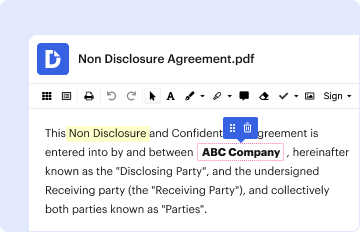
- Online Document Management Systems: Platforms like DocHub, which integrate form capabilities within comprehensive document management services.
Steps to Complete the Form Online
Completing an online form involves several key steps designed to ensure the accuracy and validity of the provided information. The process often requires the applicant to gather necessary data and documents beforehand to streamline the completion.
Detailed Steps
- Collect Required Information: Gather necessary information such as personal details, identification numbers, and other relevant data.
- Log In or Sign Up: Access the platform hosting the form, which might require creating an account or signing in.
- Navigate to the Form: Locate the specific form from the platform's library or directory.
- Enter Information: Carefully fill out each section, using autofill options if available to save time.
- Submit Attachments: Upload any required supplemental documents ensuring they meet the platform's format and size requirements.
- Verification: Some forms might require identity verification or peer review before final submission.
- Confirm Submission: Check for a confirmation message or email as proof of submission completion.
Key Elements of the Form Online
Online forms typically consist of several key elements that ensure they effectively capture the required data while being user-friendly. The structure and elements can vary depending on the form's intended use and data complexity.
Common Elements
- Text Fields: Allow users to input text such as names, addresses, and other personal information.
- Checkboxes and Radios: Enable users to make selections that correspond to the form's options, particularly for yes/no questions.
- Dropdown Menus: Provide a list of options for users to choose from, helping standardize responses.
- File Uploads: Offer users the opportunity to attach supporting documents or images.
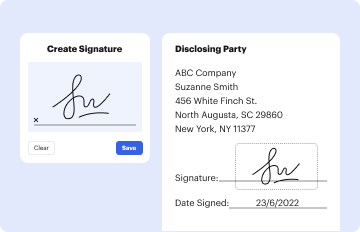
- Signature Fields: Capture digital signatures as required for authorization or consent.
Examples of Using the Form Online
Online forms see widespread use across various industries, each employing them for different purposes. Here are a few examples:
Real-World Scenarios
- Tax Filing: Taxpayers use online forms to file returns with the IRS, streamlining submission processes and reducing paperwork.
- Job Applications: Employers often utilize online forms to collect employment applications, making the hiring process quicker and more efficient.
- Medical History Forms: Patients can complete medical history forms online before visiting a healthcare provider, expediting check-in processes.
Legal Use of the Form Online
Legal considerations are critical when designing and using online forms, particularly when they pertain to approvals, consents, or any binding agreements. Many jurisdictions recognize digitally signed documents as legally valid under laws such as the ESIGN Act.
Key Considerations
- Compliance with Digital Signature Standards: Forms should adhere to standards like ESIGN and UETA to ensure signatures are legally binding.
- Privacy Laws: Ensure data collection practices comply with privacy regulations such as GDPR or HIPAA, safeguarding users' personal data.
- Explicit Consent: Forms that collect personal data or involve agreements should include explicit consent statements to inform users and obtain their agreement.
Software Compatibility with Online Forms
Online forms often require compatibility with various software to ensure users can access and complete them using their preferred devices and platforms. Compatibility considerations include operating systems, browsers, and specific software that users might utilize for integration.
Integration Examples
- Document Management Software: Platforms like DocHub support form integration, allowing users to create and manage forms smoothly.
- Tax Software: Applications like TurboTax can auto-fill tax forms based on user data, simplifying the filing process.
Understanding these components provides users with in-depth knowledge about utilizing online forms effectively, ensuring they meet their needs in various personal and professional scenarios.