Definition & Structure of Florida Construction Contract Cost Plus or Fixed Fee
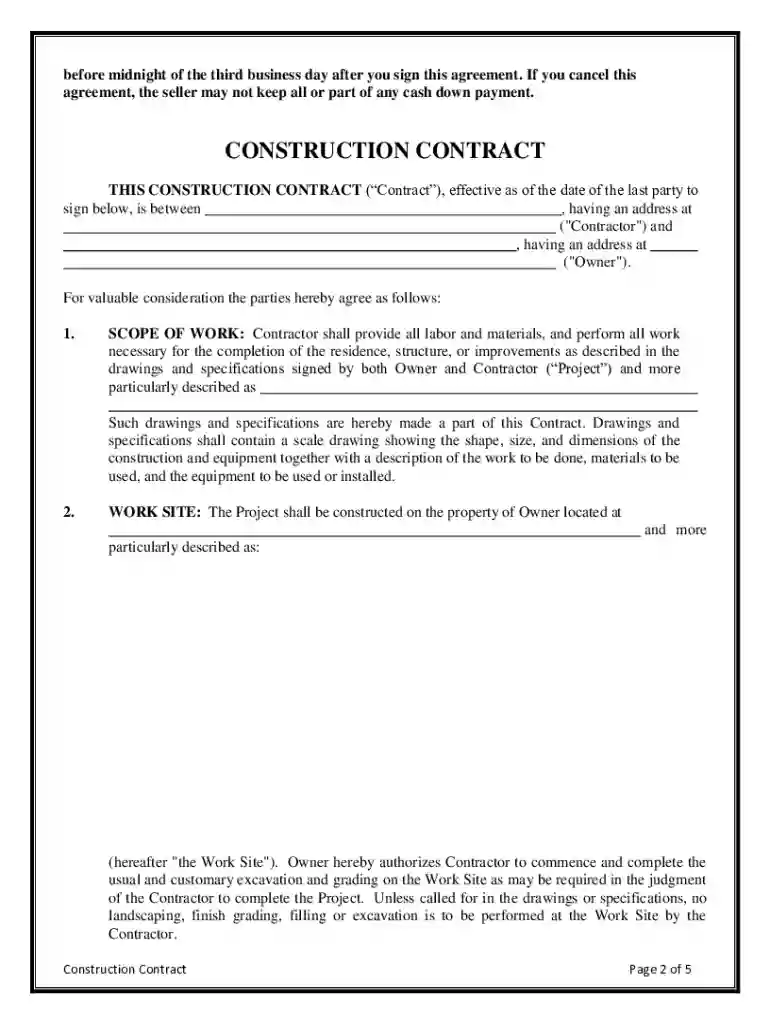
The Florida Construction Contract Cost Plus or Fixed Fee is a legal agreement detailing the payment arrangement between a contractor and a client for construction services. The Cost Plus method involves the client paying the contractor's actual costs plus an additional fee. Conversely, the Fixed Fee method stipulates a pre-agreed fixed amount. Each approach dictates specific responsibilities and benefits, offering flexibility depending on project needs and risk considerations.
Key Elements of the Florida Construction Contract
- Scope of Work: Clearly outlines the responsibilities and deliverables expected from the contractor. Descriptions should be detailed to avoid any ambiguities in project execution or payment disputes.
- Payment Terms: Specifies whether payments will follow a cost-plus structure, where actual costs are tracked and reimbursed, or a fixed fee structure, where payments are predetermined.
- Responsibility for Permits and Insurance: Details who is accountable for obtaining necessary permits and insurance coverage, typically the contractor but also potentially the client depending on contract specifics.
- Change Orders: Defines the process for implementing changes to the scope, timeline, or budget. This often includes the necessity for written approvals from both parties.
How to Use the Contract
- Determine Payment Structure: Decide between Cost Plus or Fixed Fee based on project scope and desired flexibility. Consider factors such as project size, complexity, and potential for unforeseen changes.
- Drafting and Review: Engage legal counsel to draft the contract, ensuring it adheres to Florida's state-specific laws and covers all necessary terms.
- Negotiation: Discuss terms with the contractor to ensure mutual understanding and agreement, especially concerning cost estimation, potential cost overruns, and timeline expectations.
- Execution: Both parties sign the agreement, with signatures legally binding under the ESIGN Act, allowing for electronic execution via platforms like DocHub.
Steps to Complete the Contract
- Initial Consultation: Begin by discussing project needs and expectations with potential contractors.
- Preliminary Proposal: The contractor provides an initial estimate or proposal, which forms the basis for contract discussions.
- Drafting: Collaboratively draft the contract, ensuring it reflects all agreed terms and conditions.
- Review and Signing: Thoroughly review the document, make necessary revisions, and sign either digitally or physically.
- Distribution: Share executed copies with all relevant parties, ensuring a signed copy is retained for record-keeping.
Legal Use and Compliance
- Adherence to State Laws: Ensure the contract complies with Florida's Construction Lien Law, protecting the rights of all parties involved.
- Lien Waivers: Secure written releases of lien from contractors upon payment to prevent legal complications.
- Regulatory Compliance: Staying compliant with local building codes and regulations is crucial to avoid penalties and ensure project integrity.
Who Typically Uses This Contract
- General Contractors: Often select the Cost Plus method for flexibility with larger, complex projects.
- Clients/Homeowners: May prefer Fixed Fee contracts to maintain budget predictability and reduce financial risk.
- Subcontractors and Suppliers: Engage in these contracts to secure payment terms and understand project roles.
Important Terms Related to the Contract
- Actual Costs: Refers to all direct costs incurred during construction, including materials, labor, and equipment.
- Overhead: General business expenses that are typically recovered in a cost-plus arrangement.
- Change Orders: Official modifications to the initial contract agreement, necessary when changes in project scope occur.
State-Specific Rules
Florida law requires contracts over a specified dollar amount to include specific disclosures and detailed structures. Adhering to these requirements is crucial for legal validation and minimizing risk of disputes or liens.
Examples of Using the Contract
- Residential Projects: Homeowners often use Fixed Fee contracts for renovations to ensure costs do not exceed budgets.
- Commercial Developments: Developers may choose Cost Plus contracts for large-scale projects, providing transparency in cost tracking and flexibility in installations.
These sections provide an insight into the nuances and practicalities of the "Florida Construction Contract Cost Plus or Fixed Fee" conundrum, facilitating informed application and execution in various construction projects.