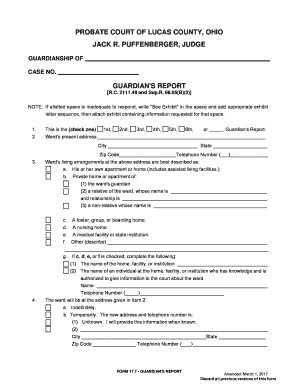
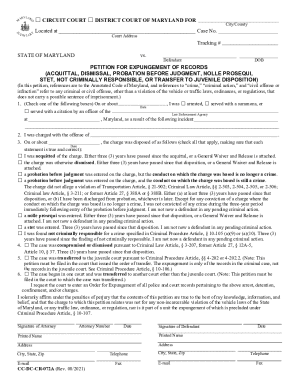
01. Edit your mutation declaration form fill up online
Type text, add images, blackout confidential details, add comments, highlights and more.

Type text, add images, blackout confidential details, add comments, highlights and more.

Draw your signature, type it, upload its image, or use your mobile device as a signature pad.

Send land declaration form pdf via email, link, or fax. You can also download it, export it or print it out.
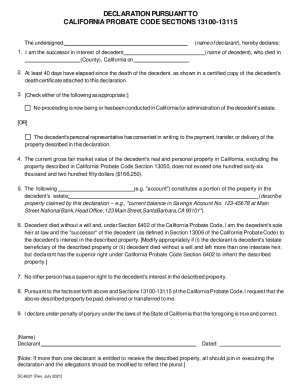
The self declaration form for land mutation is a legal document used to affirm the ownership of a plot of land. This form confirms the declarant's legal inheritance, uninterrupted possession, and the absence of any encumbrances or legal disputes regarding the land. The primary purpose of the form is to initiate the process of updating or transferring land records in the relevant government office, which is typically required when there is a change in ownership due to purchase, inheritance, or gift. The declarant asserts that all statements made in the form are true to the best of their knowledge.
Obtaining the self declaration form for land mutation can be done through various channels. Many state government websites offer downloadable versions of the form. Alternatively, you may visit the local land revenue office or municipal office to collect a printed copy. Some states may provide electronic submission options, allowing you to fill in and submit the form online. It is important to ensure that you obtain the most recent version of the form, as requirements may vary by state or local jurisdiction.
The self declaration form for land mutation typically includes several crucial elements:
Each section of the form is vital for processing the land mutation request and must be completed accurately and thoroughly.
Completing the self declaration form requires a systematic approach:
Rules and requirements for land mutation forms can vary significantly between states:
Understanding the specific rules for your state ensures compliance and avoids unnecessary delays.
This form is legally used to change or update ownership records in public land registries. It serves as a formal notification to government authorities regarding new ownership details, allowing the government to maintain accurate public records. The form must be executed correctly to avoid legal complications or disputes over land ownership. Non-compliance or misinformation on the form can lead to legal penalties or delayed processing.
The self declaration form for land mutation is used by:
Each user group may have different documentation needs or procedural steps, depending on their specific circumstance.


Failing to correctly submit the self declaration form for land mutation can result in several consequences:
Ensuring compliance with all submission and documentation requirements is crucial to mitigate these risks.
The self declaration form for land mutation requires supporting documentation, such as:
These documents substantiate the claims made in the declaration and are essential for successful submission.
At DocHub, your data security is our priority. We follow HIPAA, SOC2, GDPR, and other standards, so you can work on your documents with confidence.