




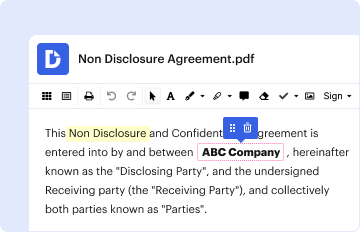
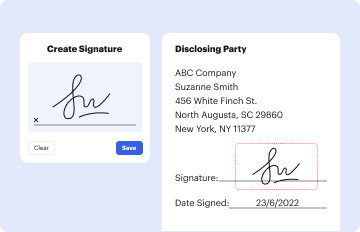

Definition and Meaning of the Case Sheet
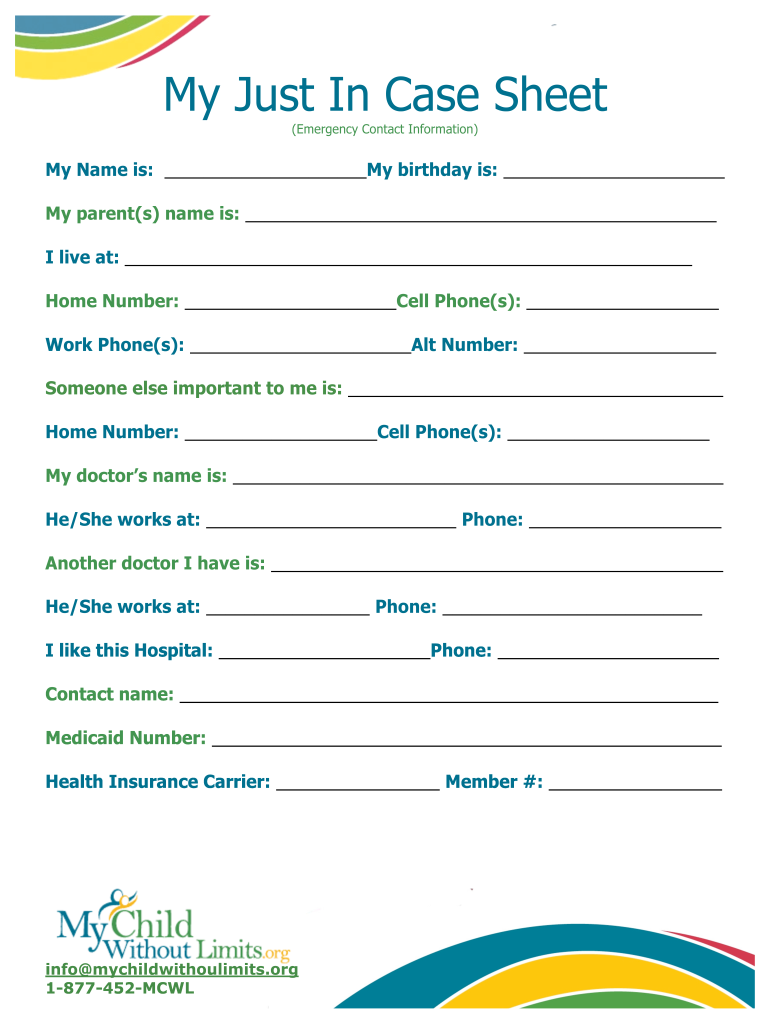
The case sheet is a structured document used primarily in healthcare settings to maintain and track patient information. It serves as a detailed record that encapsulates medical history, treatment plans, and clinical observations. A case sheet can also be referred to as a patient case sheet, medical case sheet, or hospital case sheet, depending on the context in which it is utilized. The case sheet includes vital patient details, such as personal identification, medical history, medications, allergies, and any other relevant health information.
- Purpose: The primary role of a case sheet is to provide healthcare professionals with quick access to essential patient information, facilitating effective treatment and care management.
- Importance: This document not only assists in day-to-day patient monitoring but also plays a crucial role during emergencies, where immediate access to medical history could be life-saving.
Key Elements of the Case Sheet
An effective case sheet should encompass several core elements to ensure comprehensive patient documentation. Understanding these components is essential for both healthcare providers and administrative staff involved in patient care. The main elements typically include:
- Personal Identification: Patient's name, age, gender, and contact information, ensuring clear identification.
- Medical History: A detailed account of past medical conditions, surgeries, and prior treatments that inform current medical decisions.
- Medication List: Comprehensive details about current and past medications, including dosages and frequency, to avoid adverse drug interactions.
- Allergies: Documenting any known allergies helps to prevent potential allergic reactions during treatment.
- Treatment Plans: Information on current treatment protocols, including laboratory tests and imaging studies required for diagnosis.
- Observations and Notes: Space for healthcare providers to record ongoing assessments, patient responses to treatment, and any changes in condition.
Steps to Complete the Case Sheet
Completing a case sheet is a crucial task that requires diligence and attention to detail. The following steps outline a systematic approach to fill out a patient case sheet effectively:
- Gather Patient Information: Start by collecting all necessary personal identification and contact details.
- Document Medical History: Fill in the patient's medical history accurately. Include details on previous illnesses, surgeries, and treatments.
- List Current Medications: Record all medications the patient is currently taking, along with any over-the-counter drugs or supplements.
- Note Allergies: Clearly indicate any known allergies or adverse reactions to medications.
- Outline Treatment Plan: Write down the proposed treatment plan, including diagnostic tests, scheduled appointments, and follow-up actions.
- Update Regularly: Ensure that the case sheet is updated regularly, particularly after consultations or treatments, to reflect any changes in the patient's condition.
Legal Use of the Case Sheet
The legal implications of maintaining a case sheet are significant. This document is often used in legal settings to provide evidence of medical care provided to patients. Proper documentation can protect healthcare providers from potential malpractice claims and ensure compliance with healthcare regulations. It's essential to note the following:
- Confidentiality: Patient case sheets must be handled with strict confidentiality to protect sensitive health information as mandated by HIPAA (Health Insurance Portability and Accountability Act).
- Accuracy and Completeness: Ensuring completeness and accuracy in documentation is crucial. Inadequate records can lead to legal repercussions for healthcare providers, including fines and loss of licensure.
Examples of Using the Case Sheet
Case sheets can be utilized in various contexts within the healthcare system. Here are several examples of their practical applications:
- Emergency Situations: In emergencies, case sheets provide critical information, such as allergies and existing medical conditions, facilitating swift treatment decisions.
- Consultation with Specialists: When a primary care physician refers a patient to a specialist, the case sheet is shared to ensure continuity of care through comprehensive information sharing.
- Internships and Training: Medical students and interns often use case sheets to familiarize themselves with real patient cases, enhancing their learning experience.
Common Formats of the Case Sheet
Different healthcare facilities may adopt various formats for case sheets based on their specific needs. Common formats include:
- Paper-Based Format: Traditional case sheets are often printed forms that healthcare providers fill out by hand during patient consultations.
- Electronic Health Records (EHR): Many hospitals are transitioning to electronic formats, which allow for easier access, data sharing, and storage.
- Custom Templates: Some institutions create customized templates tailored to their operational needs, which may include additional fields relevant to their patient population.
Who Typically Uses the Case Sheet
Case sheets are indispensable tools used by a range of professionals within the healthcare ecosystem. Typically, the following individuals utilize case sheets:
- Healthcare Providers: Physicians, nurses, and allied health professionals rely on case sheets for accurate patient assessments and treatment planning.
- Medical Administrators: Staff responsible for patient intake and record keeping utilize these documents to maintain comprehensive patient databases and ensure compliance.

State-Specific Rules for the Case Sheet
Different states in the U.S. may have specific regulations governing the use, maintenance, and sharing of case sheets. Healthcare professionals should be aware of such rules to remain compliant:
- Retention Periods: States may establish guidelines on how long patient records must be retained after treatment.
- Amendment Procedures: Regulations may dictate the processes for patients to request changes to their case sheets, ensuring accuracy and transparency in their medical records.