




Definition and Meaning of UBD Template
The Understanding by Design (UBD) template is a strategic framework used by educators to design curriculum and instructional units. This template emphasizes the end goals of teaching by outlining the desired learning outcomes, assessment methods, and effective learning activities. It is built on the principle of backward design, where educators start with the objectives and assessments before planning instructional methods and classroom activities. The UBD template serves as a comprehensive guide to ensure that educational practices align with overarching learning goals, enhancing the focus on student-centric outcomes.
How to Use the UBD Template
Using the UBD template involves several key steps that guide educators through a structured planning process:
-
Identify Desired Results: Begin by clarifying what students should know and be able to do by the end of the unit. Specify core understandings and essential questions that drive the learning process.
-
Determine Acceptable Evidence: Establish criteria for assessing student understanding. Determine various forms of assessment, such as projects, quizzes, or presentations, that provide a comprehensive view of student progress.
-
Plan Learning Experiences and Instruction: Design activities that support learning objectives and enable students to achieve the desired results. Include varied instructional strategies to cater to different learning styles and keep engagement levels high.
These steps ensure that teaching methods align with educational goals, promoting a cohesive and efficient learning environment.
Steps to Complete the UBD Template
Completing the UBD template requires careful attention to detail and a systematic approach:
- Unpack Standards: Analyze curriculum standards to pinpoint significant concepts and skills necessary for student learning.
- Develop Essential Questions: Formulate open-ended questions that foster inquiry and stimulate deeper thinking.
- Design Assessments: Create a balanced variety of assessments that align with the unit goals and allow for multiple demonstration methods of understanding.
- Create Learning Plan: Map out instructional activities, resources, and best practices to support diverse learners in achieving the objectives.
- Review and Revise: Continuously refine the unit based on feedback and assessment data to improve its effectiveness.
These steps ensure that educators remain focused on desired outcomes while adapting to student needs throughout the teaching process.
Key Elements of the UBD Template
The UBD template includes several critical components that contribute to effective curriculum planning:
- Enduring Understandings: These are the big ideas that students should retain long after completing the unit.
- Essential Questions: Thought-provoking questions that encourage exploration and guide inquiry.
- Knowledge and Skills: Specific information and abilities students need to acquire.
- Stage One – Desired Results: Outlines learning objectives and goals.
- Stage Two – Assessment Evidence: Spells out methods to measure understanding.
- Stage Three – Learning Plan: Details instructional strategies and resources.
These elements form the backbone of the UBD template, ensuring a cohesive and goal-oriented approach to curriculum design.
Who Typically Uses the UBD Template
The UBD template is primarily utilized by educators across various levels and disciplines. Classroom teachers, curriculum developers, and instructional coaches frequently employ this framework to ensure that their lessons are well-structured and outcome-focused. It is particularly beneficial in settings where educators collaborate to develop comprehensive educational programs, allowing for consistent and aligned strategies throughout different subjects and grade levels. Additionally, school administrators may use the UBD template to evaluate and enhance existing curricula, ensuring alignment with district or state educational standards.

Why Use a UBD Template
Utilizing a UBD template enhances the instructional process by focusing on clarity, coherence, and educational efficacy. The template encourages educators to think critically about the desired learning outcomes from the very beginning, leading to more intentional teaching practices. It aids in creating meaningful assessments and engaging learning activities, aligning them with broader educational goals. UBD fosters reflective practice as educators continuously evaluate the success of their instructional plans and make necessary adjustments. Ultimately, the template serves as a powerful tool for improving student achievement and fostering lifelong learning.
Examples of Using the UBD Template
Real-world applications of the UBD template vary widely:
- Science Unit on Ecosystems: Educators can plan a unit focusing on ecosystems using the UBD template by defining essential understandings about biodiversity and human impact. Assessments may include research projects and lab reports, supported by inquiry-based learning experiences.
- History Lesson on Civil Rights: A civil rights unit could employ essential questions about justice and equality, with assessments ranging from essays to debates, promoting critical thinking and empathy.
- Elementary Mathematics: Teachers might use the UBD template to develop a math unit on fractions, specifying skills such as fraction equivalence. Formative assessments and hands-on activities are used to reinforce understanding.
These examples illustrate the versatility of the UBD template across different subjects and educational contexts.
Software Compatibility with UBD Template
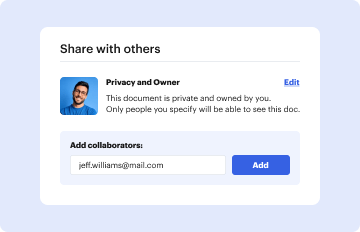
While the UBD template itself is a framework rather than software, various digital tools can support its implementation. Platforms like Google Docs or Microsoft Word offer flexible, collaborative environments for designing and sharing lesson plans. Educators often use educational software like Eduplanet21, which supports UBD template planning by integrating standards and providing a repository for unit plans. Additionally, learning management systems like Canvas or Blackboard can house and disseminate UBD-inspired curricula, facilitating seamless integration within digital learning ecosystems.