01. Edit your ms separation online
Type text, add images, blackout confidential details, add comments, highlights and more.

Type text, add images, blackout confidential details, add comments, highlights and more.

Draw your signature, type it, upload its image, or use your mobile device as a signature pad.

Send mississippi custody via email, link, or fax. You can also download it, export it or print it out.
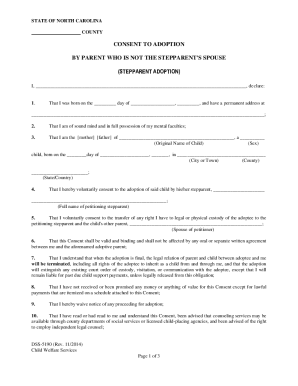
Mississippi child custody refers to the legal arrangements made to determine the primary caretaking and decision-making responsibilities for minor children when their parents are separated or divorced. The primary objective is to ensure the child's safety, welfare, and best interests. Custody arrangements can be in the form of joint or sole custody, depending on various factors such as the parents' living situations, relationships with the child, and the child's preferences if they are of sufficient age and maturity.
Courts use several criteria to determine custody by assessing the emotional ties between the child and each parent, the stability each parent can provide, and the moral fitness and mental and physical health of the parents.
During the hearing, each parent can present their case, including evidence and witnesses, to demonstrate their ability to provide for the child's best interests.
Child custody arrangements are legally binding agreements that aim to protect the child’s welfare. They help in clarifying parental responsibilities and rights, thus preventing potential disputes.
Once a custody order is issued by the court, both parents must comply. Non-compliance can lead to legal repercussions, including modifications of the custody arrangement or sanctions.
Parents can request modifications to custody orders if there is a significant change in circumstances affecting the child's welfare, such as relocation, changes in the parent's capability, or the child’s preferences.
Non-custodial parents typically have visitation rights to maintain a meaningful relationship with their child. Courts often encourage liberal visitation schedules unless there are concerns about the child's safety.
Mississippi follows the "best interest of the child" standard, focusing on:
In cases where neither parent can provide adequate care, Mississippi courts can grant custody to a legal guardian or another third party, often a close family member.
In situations involving domestic violence, courts may impose supervised visitations to ensure the child’s safety while maintaining parental contact.
Before filing, ensure all necessary documents, such as the birth certificate, evidence of paternity (if applicable), and any prior custody or support orders, are prepared and compliant with court requirements.
By understanding the Mississippi child custody process, parents can better navigate the legal landscape to secure the best possible arrangements for their children, ensuring compliance with state laws and the best interests of the child.
At DocHub, your data security is our priority. We follow HIPAA, SOC2, GDPR, and other standards, so you can work on your documents with confidence.