




Here's how it works
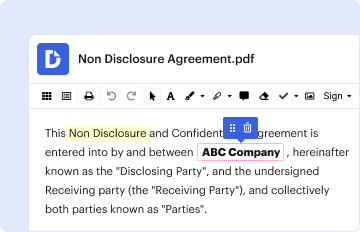
01. Edit your form online
Type text, add images, blackout confidential details, add comments, highlights and more.
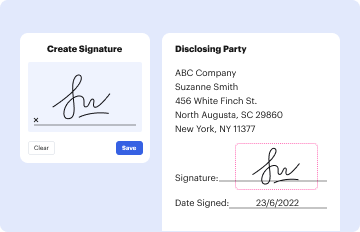
02. Sign it in a few clicks
Draw your signature, type it, upload its image, or use your mobile device as a signature pad.

03. Share your form with others
Send it via email, link, or fax. You can also download it, export it or print it out.
How to use or fill out Periodic Assessment for Oral Mucositis with our platform

- Click ‘Get Form’ to open the Periodic Assessment for Oral Mucositis in the editor.
- Begin by entering the patient’s name, date, and the nurse completing the form at the top of the document.
- Fill in the previous and current grade of mucositis as assessed during prior visits.
- In the questions section, ask about changes in denture fit and record responses. Use checkboxes for 'Yes' or 'No' answers.
- Continue through each question, ensuring to capture detailed responses regarding mouth sensations, sores, dryness, and any difficulties with swallowing or eating.
- For symptom severity, utilize a scale from 1 to 10 as indicated in the form. Document any additional comments or changes made to oral care routines.
- Finally, ensure that the nurse signs off on the form before saving or sharing it directly from our platform.
Start using our platform today to streamline your document editing and enhance your workflow for free!
Fill out Periodic Assessment for Oral Mucositis online
It's free
It's free
Got questions?
We have answers to the most popular questions from our customers. If you can't find an answer to your question, please contact us.
Contact us
What is the protocol for oral mucositis?
A protocol should include brushing the teeth with a soft toothbrush. If patients routinely floss, then flossing should be continued unless the patient has a risk of bleeding because of thrombocytopenia or other concerns. Various protocols may include different cleansing and treatment regimens.
How to assess oral mucositis?
Evaluating for oral mucositis is dependent upon clinical history and physical exam findings. Laboratory and radiography are not as helpful. If ulcers are present on the hard palate, attached gingiva, or tongue dorsum, cultures should be obtained to rule out viral or fungal etiology.
How to assess oral mucous membranes?
Inspection of Oral Mucosa Most clients can open their mouth wide and tip their head back so that you can observe the palate and also put the tip of their tongue behind their front teeth so that you can observe the floor of the mouth and under the tongue. You can use a tongue depressor to expose the buccal mucosa.
How to describe mucositis on an exam?
Mucositis most commonly affects your mouth and the inner lining of your cheeks (buccal mucosa). These mucous membranes are particularly sensitive. Oral mucositis makes the inside of your mouth inflamed red, shiny, swollen, raw and painful. It often leads to mouth sores or white patches of pus in your mouth.
How do you assess for mucositis?
Assessment A thorough assessment of the patient with mucositis should include: Pain assessment to include thorough review of analgesics used, effect and toxicities. Nutritional assessment. Quality of life assessment including screening for depression.
Security and compliance
At DocHub, your data security is our priority. We follow HIPAA, SOC2, GDPR, and other standards, so you can work on your documents with confidence.
Learn more


People also ask
Which mucositis assessment tool contains eight categories?
Diagnosis is typically based on clinical history and physical exam. Clinical presentation varies from erythema to patchy or confluent ulceration with a superficial pseudomembranous membrane or, rarely, overt necrosis. Lesions are often very painful. Treatment is symptomatic and includes oral hygiene and pain control.
What are four signs and symptoms of mucositis?
Symptoms of mucositis a dry mouth. a sore mouth, which can make eating and drinking painful. mouth ulcers. bad breath. a fungal mouth infection (oral thrush)