Definition & Meaning
The "Application for the purpose of residence of 'European blue card' - IND" is a formal document used by highly skilled non-EU nationals seeking residence in the Netherlands. The European Blue Card functions similarly to a U.S. Green Card by allowing eligibility to work and reside in an EU member state. The process is overseen by the Dutch Immigration and Naturalisation Service (IND), which ensures that applicants meet specific criteria related to education, qualifications, and employment offers.
Key Requirements and Criteria
- Eligibility: Primarily for non-EU nationals possessing a high degree of professional skills.
- Professional Qualifications: Applicants must hold a recognized diploma or have an equivalent qualification.
- Job Offer Requirements: A concrete job offer in the Netherlands with a salary meeting or exceeding the established thresholds.
Steps to Complete the Application for the European Blue Card
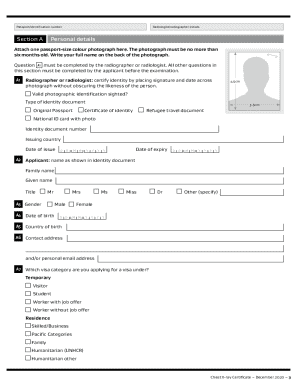
Completing the application requires careful attention to detail and adherence to specific guidelines set by the IND. Applicants should ensure all sections are filled accurately to avoid delays or rejections.
- Prepare Documentation: Collect necessary documents including academic qualifications, employment contracts, and proofs of identity. Ensure all documents are translated to Dutch or English if originally in another language.
- Complete Sections: Fill all sections of the form comprehensively, particularly those detailing employment conditions.
- Biometric Data: Schedule and complete the biometric data collection in the Netherlands which involves fingerprints and photographs.
Important Tips
- Accuracy: Double-check all information to ensure it matches supporting documents.
- Consultation: Consider consulting with an immigration expert if there are uncertainties in any application section.
Required Documents
The application mandates the submission of several key documents that substantiate the eligibility of the applicant for the European Blue Card.
Essential Documentation
- Proof of Qualifications: Certified copies of diplomas or academic degrees.
- Employment Contract: A valid work contract that specifies job details and complies with salary thresholds.
- Proof of Identity: A copy of the passport or national identity document.
Application Process & Approval Time
Navigating the application process involves multiple steps, which require meticulous attention to ensure timely approval.
- Submission: Submit the completed application form with all required documents to the IND.
- Review Period: The IND aims to process applications within ninety days, although this can vary depending on application volumes.
- Approval Notification: Once approved, the applicant will receive confirmation and details of residence permit collection.
Factors Influencing Approval Time
- Completeness of Application: Incomplete or delayed submission of documents can extend processing times.
- Verification Processes: Verifying academic and professional credentials can add additional time to the assessment.
Eligibility Criteria for the European Blue Card
Eligibility for the European Blue Card is designed to attract highly skilled workers and retain them within the EU labor market.


Primary Eligibility Factors
- Educational Attainment: Possession of a degree from a recognized institution.
- Professional Experience: Documented professional experience, particularly in high-demand skill areas.
- Employment Conditions: A valid job offer from a Dutch employer that fulfills legal salary requirements.
Legal Use and Compliance
Understanding the legal context of the European Blue Card application is essential for compliance and successful residency.
Conditions and Restrictions
- Occupation Limitations: The job position should ideally match the applicant's qualifications and experience.
- Renewal and Extension: The residence permit associated with the Blue Card is typically valid for up to three years but can be renewed upon meeting specific conditions.
- Employer Obligations: Employers sponsoring an applicant must comply with Dutch labor laws and demonstrate the necessity of hiring a non-EU worker.
Digital vs. Paper Version
Applicants have the flexibility to choose between submitting a digital or a paper version of the application. This choice does not influence the application outcome but may affect convenience.
Submission Mode Benefits
- Digital Submission: Offers faster processing times typically due to quicker document verification, and is often preferable for international applicants.
- Paper Submission: Best for those who prefer physical documentation confirmations and have access to local postal services.
Penalties for Non-Compliance
Non-compliance with application regulations or provisions can result in significant penalties, affecting both the applicant and the employer.
Potential Penalties
- Application Rejection: Incorrect or incomplete applications may be outright rejected.
- Legal Consequences: Falsification of documents can lead to legal action, including fines or bans on future applications.
- Employer Penalties: Employers found in breach of sponsor obligations may face penalties and restricted status for future sponsorships.
Maintaining awareness of these aspects and carefully following guidelines help secure the European Blue Card efficiently.